
Here’s your ultimate guide to plant-based living.
Our eating habits are changing significantly.
A strong movement toward plant-based living is growing. This shift goes beyond short-term diet trends. More people now see its benefits for health, the environment, and animal welfare.
A plant-based lifestyle isn’t a restrictive diet; it’s a way of living. It’s a vibrant and tasty way to eat. It primarily includes foods from plants, such as whole grains, legumes, nuts, seeds, fruits, and vegetables.
Are you trying a flexitarian diet? Are you transitioning to a vegan lifestyle or incorporating more plant-based foods into your meals?
This guide can help you with plant-based living.
Defining Plant-Based Living
The term “plant-based” is often used broadly, encompassing several dietary patterns. It’s essential to clarify the distinctions.
What Does “Plant-Based” Really Mean?
A plant-based diet focuses on whole, unprocessed, or lightly processed plant foods.
It promotes the consumption of fruits, vegetables, grains, and legumes. It also limits or excludes animal products altogether.
- Whole-Food, Plant-Based (WFPB): This is the strictest type of diet. It emphasises whole, unprocessed plants. Oils, added sugars, and refined flours are mostly excluded or greatly limited.
- Vegan: A vegan diet excludes all animal products—meat, poultry, fish, dairy, eggs, and honey. Veganism is more than just a diet. It avoids all animal products, including those in clothing, cosmetics, and other items.
- Vegetarian: This includes several variations, all of which exclude meat and poultry.
- Lacto-Ovo Vegetarian: Includes dairy and eggs.
- Lacto Vegetarian: Includes dairy but excludes eggs.
- Ovo Vegetarian: Includes eggs but excludes dairy.
- Flexitarian/Plant-Forward: This diet emphasises plant-based foods as its foundation. You can also enjoy small amounts of meat, dairy, or fish occasionally.
The key idea is prioritising plants. This indicates a clear shift away from diets centred on animal products.
The Health Imperative
There are numerous health advantages to a well-planned plant-based diet. These advantages are backed by decades of nutrition research.
Cardiovascular Health
Saturated fat and cholesterol, which are commonly found in animal products, are often absent or in low amounts in plant-based diets. They are also high in dietary fibre and antioxidants. This nutritional profile directly combats major risk factors for heart disease.
- Lower Cholesterol: Plant foods are high in soluble fibre. This helps bind and remove cholesterol from the body. As a result, it can lower total and LDL (“bad”) cholesterol levels.
- Blood Pressure Reduction: Consuming more fruits and vegetables increases potassium and magnesium levels. This helps lower blood pressure. Additionally, reducing saturated fats helps maintain healthier cholesterol levels.
- Reduced Inflammation: Phytochemicals and antioxidants from plants help lower chronic inflammation. This inflammation is a key factor in the progression of heart disease.
Weight Management and Type 2 Diabetes
Research shows that people on plant-based diets, like WFPB, often have a lower Body Mass Index (BMI). Plant foods are usually lower in calories and higher in fibre. This helps you feel full with fewer calories.
Effective prevention and management of Type 2 Diabetes can be achieved with a plant-based diet. High fibre helps boost insulin sensitivity and regulate blood sugar levels. It does this by slowing glucose absorption.
Cancer Prevention
While no diet can completely prevent cancer, consuming a diet rich in plant-based foods can help protect against it.
According to the World Health Organisation (WHO) and prominent cancer research groups, eating a diet rich in fruits, vegetables, and whole grains may lower the risk of various types of cancer.
Researchers attribute this to:
- Antioxidants and phytochemicals protect cells from oxidative damage. This damage can lead to cancer.
- Fibre speeds up digestion. This reduces the intestinal walls’ exposure to potential carcinogens.
- Limiting Processed Meats: Plant-based diets cut out processed meats. The WHO says these are Group 1 carcinogens, meaning they can cause cancer.
The Environmental and Ethical Case
Our dietary decisions have an impact that extends far beyond our plates.
Plant-based living offers a genuine solution to significant environmental and ethical concerns.
Climate Change and Resource Use
Industrial animal agriculture generates substantial greenhouse gas emissions, contributes to deforestation, and consumes large amounts of water.
Switching to a plant-based diet is one of the most effective ways to reduce your carbon footprint.
- Lower Emissions: Plant-based foods typically produce significantly less greenhouse gas than meat and dairy, especially beef and lamb.
- Land Use: Meat production requires vast amounts of land for grazing and the cultivation of feed crops. By bypassing the animal, plant-based systems use dramatically less land. For instance, studies suggest a vegan diet requires only about one-sixth of the land needed for a meat-heavy diet.
- Water Conservation: Animal agriculture is incredibly water-intensive. Plant-based foods, like legumes and grains, need less freshwater than most animal products.
Animal Welfare
For many, the ethical treatment of animals is the primary motivation.
Plant-based living supports a compassionate view. It rejects using animals for food. This stance opposes the cruel conditions of factory farming.
Choosing plant-based options directly opposes an industrial system. This system prioritises efficiency over the well-being of living beings.
Practical Nutrition: The Essentials
A common misconception is that a plant-based diet is inherently deficient in nutrients. In reality, a well-planned plant-based diet is nutritionally complete and robust. You must pay careful attention to a few key nutrients.
Protein
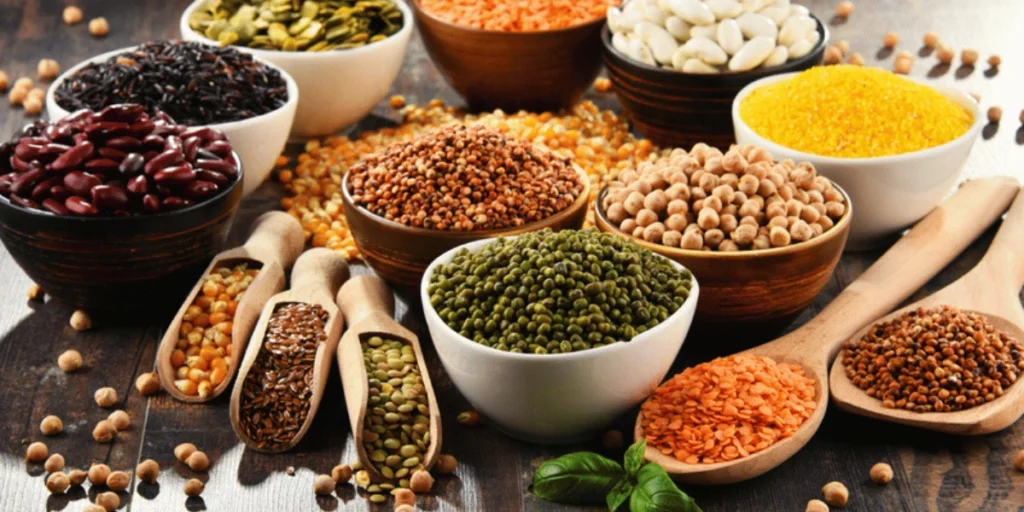
Plant protein is abundant and readily available.
The belief that plant proteins are “incomplete” is mostly false. The body has an amino acid pool and can mix different plant sources during the day.
| Excellent Plant Protein Sources |
| Legumes: Lentils, chickpeas, black beans, edamame |
| Soy Products: Tofu, tempeh (fermented soy), soy milk |
| Grains: Quinoa, oats, whole wheat pasta |
| Nuts & Seeds: Almonds, walnuts, chia seeds, hemp seeds |
Vitamin B12
Vitamin B12 is the only nutrient you can’t get reliably from a whole-food, plant-based diet. It comes from bacteria in soil and animal guts. However, modern hygiene and farming make it rare in plant foods.
Supplementation is non-negotiable for vegans and highly recommended for vegetarians. Failing to supplement B12 can lead to irreversible nerve damage.
Iron
Plant foods like legumes, spinach, and pumpkin seeds have non-heme iron. This type of iron is not absorbed as well as heme iron found in meat. However, there are ways to boost its absorption.
- Tip: Always combine iron-rich plant foods with a source of Vitamin C (e.g., citrus fruits, bell peppers, broccoli).
Calcium and Vitamin D
Calcium is crucial for bone health. Fortified plant milks, tofu with calcium sulfate, collard greens, kale, and broccoli are all excellent sources of calcium.
Vitamin D (the “sunshine vitamin”) is often insufficient for everyone, regardless of diet. Supplementation or adequate sun exposure is often necessary.
Omega-3 Fatty Acids
You can find the essential Omega-3 fatty acid ALA in many plant sources. Good options include flaxseeds, chia seeds, walnuts, and hemp seeds.
The body can convert ALA into the longer-chain EPA and DHA, but conversion rates vary.
Vegans can obtain sufficient nutrients by incorporating ground flax or chia seeds into their daily diet. They can also take an algae-based DHA/EPA supplement.
Making the Transition
Switching to a plant-based lifestyle doesn’t need to be a sudden change. A gradual, intentional approach works best for most people.
1. Start with “Plant-Forward” Meals
Begin by committing to one or two plant-based meals per day, or by adopting the “Meatless Monday” concept. Focus on substitution, not elimination. Instead of a beef burger, try a black bean burger or a portobello mushroom.
2. Prioritise Variety and Colour
A plate rich in colour is generally a plate rich in nutrients.
Aim to consume a wide variety of foods from all the plant groups. This ensures a balanced intake of all necessary vitamins, minerals, and amino acids.
3. “Veganize” Your Favourites
You don’t have to give up your favourite dishes; you need to adapt them.
- Taco Night: Swap ground beef for lentils or seasoned walnuts for a healthier option.
- Creamy Pasta: Use cashew cream, puréed cannellini beans, or nutritional yeast for a cheesy, rich sauce.
- Baking: Substitute eggs with flax eggs (ground flaxseed mixed with water) or mashed banana.
4. Become a Label Reader
As you transition, check labels for animal-derived ingredients. Look for whey, casein, gelatin, and some food colourings. This is especially important if you want to follow a strict vegan path.
Watch out for ultra-processed plant-based foods. They can be high in sodium, sugar, and unhealthy fats. These are the same issues commonly found in highly processed diets.
Conclusion: A Lifestyle of Intentionality
Plant-based living is more than just a diet; it’s an intentional way of life.
It helps you connect more deeply with your food. You become more aware of your health and understand your role in the global ecosystem.
When you choose a plant-based plate, you’re investing in your health. You’re also supporting a sustainable planet and a kinder world. It’s a journey of discovery, rich in flavour, nourishment, and purpose.
Start small, stay consistent, and enjoy the incredible benefits this vibrant lifestyle has to offer.

4 Responses