
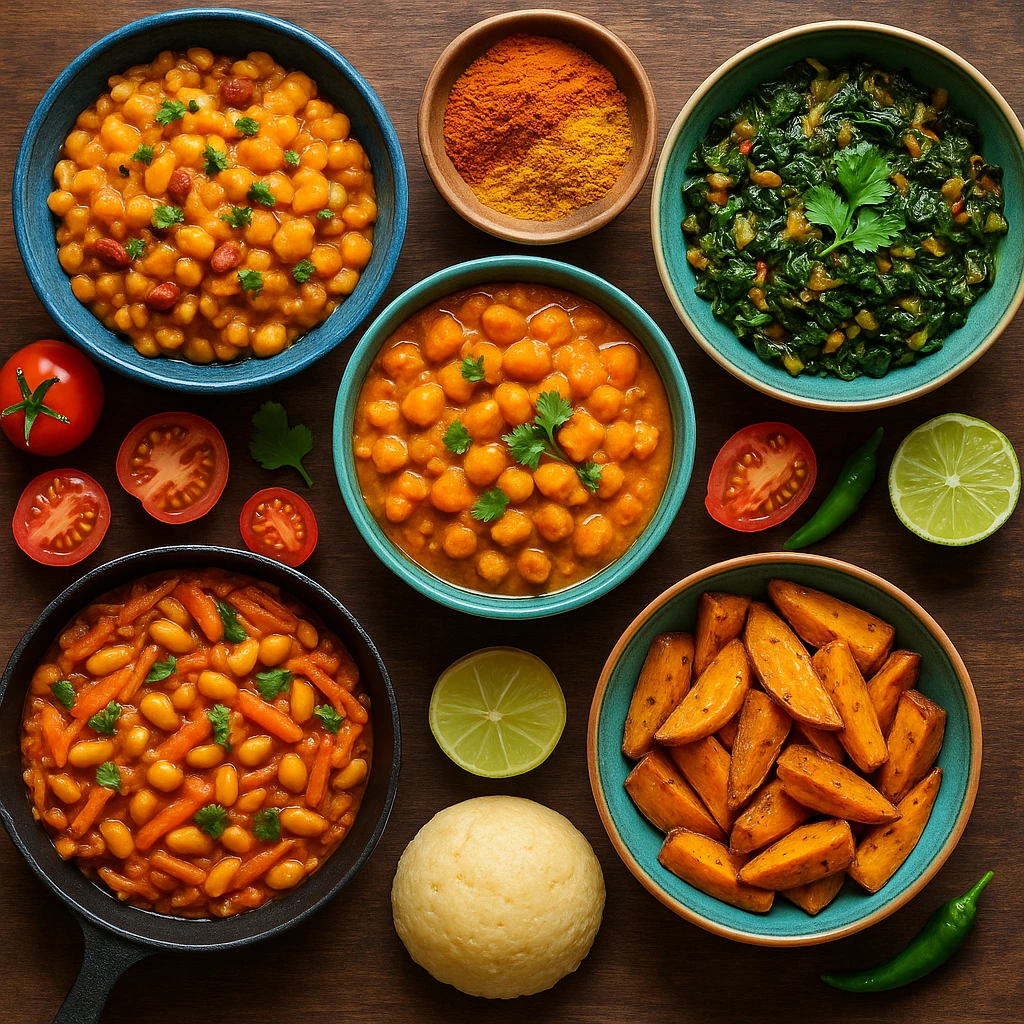
When I first started exploring plant-based living, I assumed it was just about eating more vegetables.
But over time, I realised it’s a lifestyle — one rooted in nourishment, simplicity, and connection to both my health and the planet.
Whether you’re curious, transitioning, or already deep in the journey, this comprehensive guide will help you understand the foundations, benefits, practical steps, and daily habits that make plant-based living sustainable and enjoyable.
What Is Plant-Based Living? Definitions, Types and Key Principles
What Does “Plant-Based Living” Mean?
Plant-based living focuses on eating primarily plant-based foods — fruits, vegetables, whole grains, legumes, nuts, seeds, herbs, spices, and plant-based beverages.
It doesn’t necessarily mean eliminating all animal products, but instead making plants the foundation of your meals and your daily lifestyle choices.
Types of Plant-Based Living: Vegan, Vegetarian, Flexitarian & More
There’s a spectrum within plant-based living.
Some people choose a vegan diet (no animal products at all), while others follow a vegetarian diet (no meat, but may include dairy or eggs). At the same time, many opt for a flexitarian pattern where animal products are eaten sparingly. Plant-based living celebrates this flexibility — you choose what works best for your body and your goals.
Plant-Based Living vs Whole-Food Plant-Based (WFPB)
A WFPB lifestyle focuses heavily on unprocessed or minimally processed foods. While plant-based living includes everything from whole foods to occasional meat substitutes, WFPB meals avoid refined oils, white flour, and overly processed foods.
Health Benefits of Plant-Based Living: Why Your Body Loves Plants
Plant-Based Living and Chronic Disease Prevention
One of the biggest reasons I committed to plant-based living is its powerful impact on health.
Research shows that people who eat predominantly plant-based meals have a lower risk of heart disease, high blood pressure, type 2 diabetes, inflammation, and certain cancers.
Fibre-rich foods improve digestion and long-term gut health, while antioxidant-packed produce helps protect cells from damage.
Plant-Based Living for Weight Management, Energy and Longevity
Because plants are naturally nutrient-dense yet lower in calories, they help with healthy weight management.
I personally experienced more stable energy, fewer afternoon slumps, and a light, steady feeling throughout the day.
This is due to plants’ ability to stabilise blood sugar and reduce inflammation.
Plant-Based Living and Gut Health, Immunity and Inflammation
A diverse, plant-rich diet supports healthy gut bacteria, strengthens immunity, and reduces chronic inflammation.
When I shifted to more whole foods, my digestion improved dramatically — and this is one of the most common benefits people report.
Planet, Animals and Ethics: The Wider Impact of Plant-Based Living
How Plant-Based Living Reduces Your Environmental Footprint
Plant-based eating has a profound environmental impact.
Plant foods generally require less land, water, and energy to produce.
They also generate lower greenhouse gas emissions than meat and dairy. Every plant-forward meal is a small step toward a healthier planet.
Animal Welfare, Ethics and Social Justice in Plant-Based Living
Ethically, many people embrace plant-based living to reduce harm to animals or disconnect from exploitative food systems.
It’s about compassion — for animals, the planet, and future generations who deserve a sustainable food future.
Nutrition Basics for Plant-Based Living: Key Foods and Nutrients
The Core Food Groups of Plant-Based Living
The foundation of plant-based living comes from simple, wholesome foods:
- Vegetables – especially leafy greens and colourful varieties
- Fruits – berries, citrus, apples, bananas, stone fruits
- Whole grains – oats, brown rice, quinoa, barley, millet
- Legumes – lentils, chickpeas, beans, peas
- Nuts and seeds – walnuts, almonds, sunflower seeds, hemp seeds
- Healthy plant fats – avocados, olives, nut butters

Critical Nutrients in Plant-Based Living and How to Get Them
To thrive on a plant-based lifestyle, it’s essential to understand key nutrients and where to find them:
- Protein: beans, lentils, tofu, tempeh, quinoa, soy milk
- Iron: spinach, lentils, pumpkin seeds, blackstrap molasses
- Calcium: fortified plant milks, tofu, leafy greens
- Vitamin B12: supplements or fortified foods
- Omega-3s: chia seeds, flaxseed, hemp seeds, walnuts
- Vitamin D: sunlight, mushrooms, fortified milks, supplementation
- Zinc + Iodine: beans, nuts, iodised salt, sea vegetables (moderation)
Whole Foods vs Ultra-Processed Plant-Based Products
While plant-based burgers and sausages can be helpful during transition, they shouldn’t form the core of your diet.
Aim for real, whole foods most of the time and use substitutes as occasional convenience options.
How to Start Plant-Based Living: Step-by-Step Beginner Blueprint
Step 1 – Clarify Your “Why” for Plant-Based Living
Your reason matters.
Whether it’s health, weight loss, ethics, or sustainability, identify why you’re choosing a plant-based lifestyle.
Write it down — it will keep you grounded when motivation dips.
Step 2 – Choose Your Starting Point: Flexitarian to Fully Vegan
Plant-based living doesn’t have to be all-or-nothing. You can start with one plant-based meal per day, try Meatless Mondays, or transition gradually over weeks or months.
Step 3 – Stock a Plant-Based Living Pantry and Fridge
Here’s what I always keep stocked to make quick, healthy meals:
- Oats, brown rice, quinoa, whole wheat pasta
- Canned beans, chickpeas, lentils
- Frozen vegetables and fruit
- Tomato paste, canned tomatoes, herbs, spices
- Plant milks, tofu, tempeh, nut butters
Step 4 – Learn 5–7 Go-To Plant-Based Recipes
Once you master a few basics, everything becomes easier.
My go-to formula is often: grain + bean + veg + sauce. From stir-fries to Buddha bowls, soups, sheet-pan meals, and wraps — plant-based cooking is delicious and straightforward.
Step 5 – Plan Plant-Based Meals for the Week
I love meal planning. It saves time and money, and helps me avoid unhealthy takeaways.
Batch-cook grains and beans, chop veggies, and keep healthy snacks ready.
Step 6 – Transitioning Staples: Dairy, Meat, Eggs and Snacks
If you’re used to dairy or meat-heavy meals, transition slowly.
Try oat or soy milk, tofu scrambles, chickpea omelettes, veggie burgers, hummus wraps, or lentil curries. It’s all about small, manageable swaps.
Everyday Plant-Based Living: Shopping, Cooking, Eating Out and Social Life
Smart Plant-Based Living Shopping Strategies on a Budget
Contrary to popular belief, eating plant-based food doesn’t have to be expensive.
Shop seasonally, buy frozen produce, choose store-brand staples, and use local markets.
Beans, lentils, grains, and vegetables remain some of the most affordable foods available.
Simple Plant-Based Living Cooking Techniques
Plant-based cooking is creative and flexible.
One-pot meals, sheet-pan dinners, soups, stews, stir-fries, and grain bowls are my weekly staples.
A splash of lemon, a sprinkle of herbs, and a handful of nuts can transform any dish.
Eating Out and Travelling While Plant-Based
Most restaurants offer salads, veggie wraps, stir-fries, curries, or pasta options that can be made plant-based with small swaps.
When travelling, I always pack nuts, fruit, energy bars, or sandwiches to stay on track.
Navigating Family, Friends and Workplace as a Plant-Based Eater
Communicating your lifestyle choices helps set expectations.
Offer to bring a dish to gatherings, share recipes, or cook for loved ones to show how delicious plant-based meals can be.
Common Challenges in Plant-Based Living (and How to Solve Them)
Cravings, Convenience Foods and Emotional Eating
Cravings are normal. Make sure meals are satisfying with adequate protein, fibre, and healthy fats. Keep convenient but healthy snacks ready — fruit, nuts, hummus, popcorn, dark chocolate.
Nutrient Worries, Conflicting Information and Doctor Conversations
It’s natural to feel overwhelmed. Evidence-based resources, registered dietitians, and routine blood tests offer reassurance. Focus on balanced meals and build confidence gradually.
Perfectionism vs Progress: Making Plant-Based Living Sustainable
You don’t need to be perfect. Slip-ups don’t erase your progress. Plant-based living is a lifelong journey, not a rigid set of rules.
Plant-Based Living FAQs
What is plant-based living in simple terms?
It’s a lifestyle where most of your meals come from whole, minimally processed plant foods — with or without animal products.
Is plant-based living healthy for all ages, including children?
Well-planned plant-based diets can meet the nutritional needs of people of all ages, from children to older adults.
Can you get enough protein with a plant-based diet?
Absolutely. Legumes, soy, nuts, seeds, and whole grains offer more than enough protein when eaten in variety.
Do you have to be fully vegan to enjoy plant-based living?
No. Many people follow a plant-based diet while still occasionally eating animal products.
Is plant-based living expensive?
Not at all — beans, lentils, grains, and vegetables are budget-friendly, especially when bought in bulk or seasonally.
What supplements do people on plant-based diets usually need?
Most people take Vitamin B12, and some may require VitamIodineiodine, or omega-3s, depending on diet and health needs.
Conclusion: Small Steps Toward Lifelong Plant-Based Living
Plant-based living has changed my life in profound ways — from how I cook and eat to how I think about sustainability, health, and compassion.
If you’re beginning, start small.
Add one plant-based meal a day, try new recipes, and experiment with flavours.
Over time, plant-based living becomes second nature: joyful, nourishing, and deeply connected to your wellbeing and the world around you.
