A complete guide to key Vegan Lifestyle Tips for beginners and more.
It covers nutrition, shopping, social life, and ethics.
When I first considered adopting a vegan lifestyle, the thought felt overwhelming.
Where would I get my protein? What about eating out? Would I be stuck eating only salads?
If you’re asking these questions, you’re not alone.
Making the transition to a vegan lifestyle and plant-based diet can be fruitful.
This means avoiding all animal products for ethical, health, or environmental reasons. However, it takes some preparation.
I created this guide to share the most essential vegan lifestyle tips I’ve learned.
No matter if you switch overnight or take your time, these tips will make your journey tasty, healthy, and sustainable.
Let’s dive into making your vegan transition as smooth as possible.
Step-by-Step Vegan Lifestyle Tips for Beginners: Making the Switch Easy
The biggest mistake new vegans make is trying to be perfect immediately.
My number one piece of advice?
Go easy on yourself.
A successful vegan lifestyle starts with simple, manageable changes.
2.1. Start Slowly: Incorporating More Plant-Based Meals
You don’t have to overhaul your plate instantly. Try dedicating one day a week to a complete vegan diet. Start with “Meatless Mondays.”
One good strategy is to master one meal at a time.
For example, make all your breakfasts vegan. Try oatmeal with fruit, tofu scramble, or a hearty smoothie. Then, you can move on to lunch and dinner.
This helps you gain confidence. You can find new staples without feeling pressured to commit fully.
2.2. Master Vegan Swaps and Substitutions (Eggs, Dairy, Meat)
Modern supermarkets are a vegan paradise.
Focus on what you’re gaining, not what you’re losing: excellent alternatives.
Switch cow’s milk for fortified plant milk (soy, almond, or oat). Replace scrambled eggs with a seasoned tofu scramble.
You can use a flax egg, applesauce, or mashed banana for baking. A flax egg is made by mixing one tablespoon of ground flaxseed with three tablespoons of water.
These simple swaps make the vegan lifestyle highly accessible.
2.3. Vegan Lifestyle Tip: Educate Yourself and Embrace Imperfection
Invest time in understanding the ethical and health underpinnings of your choice.
Watch a documentary, read a few books, or follow experienced vegans online. Crucially, don’t let one mistake derail your journey.
Eating a non-vegan ingredient by mistake isn’t a failure; it’s a chance to learn.
The vegan lifestyle is about making compassionate choices most of the time.
Essential Vegan Nutrition Tips: Getting All Your Key Nutrients on a Plant-Based Diet
One of the most common myths I encounter is that a vegan diet is automatically unhealthy.
That couldn’t be further from the truth! A well-planned plant-based diet is abundant in fibre, vitamins, and antioxidants.
I focus on a few key nutrients to keep my vegan diet healthy.
3.1. The Vegan Powerhouse: Protein Sources (Lentils, Tofu, Seitan)
Forget the myth that vegans struggle with protein.
The truth is, protein is everywhere in the plant-based diet.
Every meal should incorporate a range of sources:
- Legumes (like lentils, beans, and chickpeas).
- Goods made from soy, including edamame, tempeh, and tofu.
- Whole grains (like quinoa and spelt).
- Nuts and seeds.
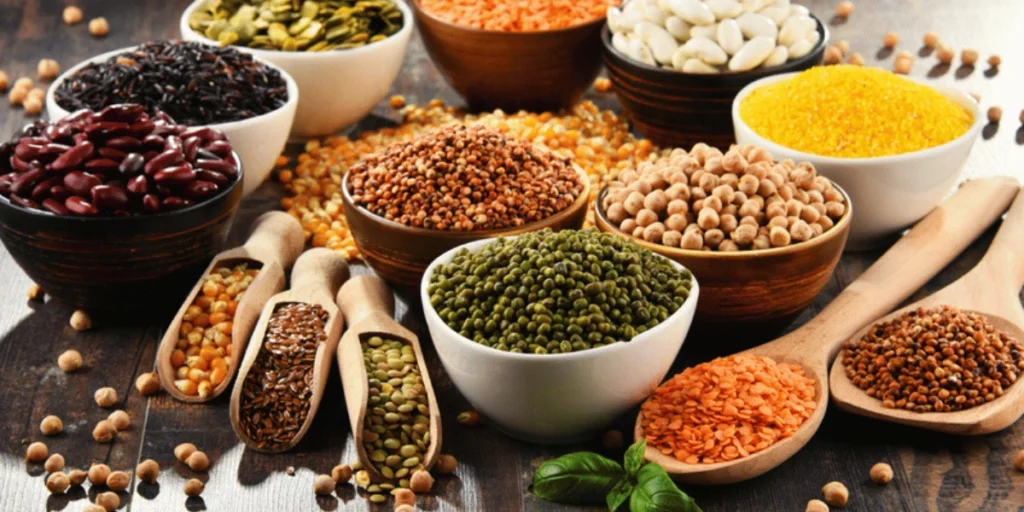
A good rule is to have a half-cup of legumes or three ounces of soy products once or twice a day.
3.2. Optimising Iron Absorption: Pairing Plant Iron with Vitamin C (Vegan Iron Tips)
Plant-based (non-heme) iron comes from foods like spinach, lentils, and fortified cereals. However, it is absorbed less efficiently than animal-based iron.
A key vegan tip is to pair iron-rich foods with Vitamin C.
For instance, add bell peppers to your bean chilli or squeeze lemon juice on your spinach salad. This significantly boosts absorption.
3.3. Vitamin B12 and the Vegan Lifestyle: Why Supplementation is a Must
This is non-negotiable. Blood production and nerve function depend on vitamin B12.
It is not naturally present in sufficient amounts in any whole-plant-based meals. Regardless of how perfect your vegan diet is, you must supplement.
I take a B12 supplement daily (250 μg) or weekly (2500 μg). I also get B12 from fortified foods, like some plant milks and nutritional yeast.
3.4. Other Key Nutrients for a Healthy Vegan Diet (Omega-3s, Calcium, Iodine, Zinc)
For better nutrition, eat omega-3-rich foods each day. Include ground flaxseeds, chia seeds, and walnuts.
Also, pick calcium-fortified plant milks. Use iodised salt to keep your iodine levels steady.
Zinc is essential for immune health. You can find it in pumpkin seeds, oats, and lentils. These vegan foods are key to staying healthy.
Practical Vegan Lifestyle Tips for Grocery Shopping and Meal Prep
The secret to maintaining a consistent vegan lifestyle is preparation. Without a plan, you might find yourself scrambling and making poor food choices. These tips simplify the logistics.
4.1. Mastering the Vegan Grocery List: Stocking the Pantry and Fridge
Focus on staples.
Keep your pantry stocked with:
- Dried and canned legumes (like beans, lentils, and chickpeas)
- Whole grains (such as brown rice, quinoa, and whole wheat pasta)
- Baking essentials
Your fridge should be stocked with fresh and frozen produce, tofu, tempeh, and leafy greens.
Pay attention to the grocery store’s exterior aisles. These include produce, grains, and legumes. This habit streamlines the process of cooking plant-based meals.
4.2. Vegan Meal Prep Tips: Saving Time and Money with Plant-Based Meals
Meal preparation is a lifesaver. Dedicate an hour or two on Sunday to batch cooking.
Make a big pot of beans or lentils. Cook some quinoa. Chop up vegetables.
With these components on hand, you can whip up quick, tasty, and healthy vegan meals in just minutes all week. This is an essential money-saving vegan lifestyle tip as well.
4.3. Reading Labels: Decoding Ingredients (Hidden Non-Vegan Components)
Unfortunately, some ingredients can sneak into products unexpectedly. Become a savvy label reader.
Always look for these ingredients: Gelatin, L-Cysteine, Casein, Whey, Albumen, Shellac, and Cochineal (a red dye).
When you see a “Certified Vegan” logo, like The Vegan Society’s trademark, or the “Leaping Bunny” for beauty products, you can shop with confidence.
A quick internet search for questionable ingredients is essential for a vegan lifestyle tip.
4.4. Discovering Delicious Vegan Recipes: Building a Cooking Repertoire
Begin with easy, familiar dishes that you can easily make vegan. Think about pasta with marinara, lentil soup, or black bean burgers.
As you gain confidence, explore international cuisines.
Indian, Thai, and Mediterranean cuisines offer flavorful, plant-based meals.
Navigating the Social World: Vegan Lifestyle Tips for Dining Out and Travel
Social situations—like holidays, weddings, and dining out—can be challenging for vegans.
A little planning and a lot of grace are your best tools.
5.1. Eating Out: Researching Vegan-Friendly Restaurants and Creative Ordering
The best tip for dining out is research.
Use apps like HappyCow or check the restaurant’s menu online before you go. If you don’t see a vegan option, ask for substitutions or changes.
You can make many plant-based dishes. Just ask for no cheese or butter. You can also swap meat for beans or veggies. Remember that being a prepared vegan reduces stress for everyone.
5.2. Dealing with Non-Vegan Friends and Family: A Compassionate Approach
Your goal isn’t to convert people, but to live your values.
When asked about the vegan lifestyle, be kind, informative, and lead by example. At a potluck, offer to bring a delectable vegan meal that everyone will love.
And when your family is worried, calmly share your nutrition knowledge. Mention trusted sources like the NIH.
5.3. Vegan Travel Tips: Packing Snacks and Finding Food on the Go
Travelling while vegan is easier than ever, but packing snacks is always smart.
Bring shelf-stable items like protein bars, nuts, dried fruit, and instant oatmeal packets.
When dining abroad, seek out vegan options like falafel, Indian dal, or noodle dishes. Also, use translation apps to explain your dietary needs kindly.
This proactive approach keeps your vegan lifestyle going, no matter where you are.
The Complete Vegan Lifestyle: Cruelty-Free Tips for Everyday Living
The vegan lifestyle goes beyond just food.
It’s a philosophy aimed at reducing harm to animals in every part of life.
6.1. Cruelty-Free Cosmetics and Personal Care Products (Vegan Beauty Tips)
Ensure your personal care routine aligns with your values.
Check for official third-party certifications, like the Leaping Bunny logo. This logo shows that the product and its ingredients were not tested on animals.
The label “vegan” means it has no animal products. This includes items like honey, beeswax, and carmine.
6.2. Vegan Fashion: Avoiding Animal Materials (Leather, Wool, Silk, Suede)
Check for other animal materials, too. Besides leather and fur, look for wool, silk, suede, and down.
Many ethical and sustainable options are available. You can choose from organic cotton and linen.
There are new materials, too. One is Pinatex, which is pineapple leather. Another is synthetic vegan leather.”
Supporting these alternatives drives demand for a more compassionate fashion industry.
6.3. Entertainment and Ethics: Making Vegan Choices in Leisure
Extend your ethical consideration to entertainment.
This means avoiding circuses, zoos, and aquariums that keep animals captive. Instead, choose to support local animal sanctuaries or watch nature documentaries. Living a whole vegan lifestyle means treating all animals with respect and freedom, even in our choices for fun.
Frequently Asked Questions About the Vegan Lifestyle
7.1. Is a Vegan Diet Healthy? (Addressing Nutritional Concerns)
Yes, absolutely. According to major health organisations, a well-planned vegan diet is suitable for all stages of life. Consuming a lot of fruits, vegetables, and whole grains helps reduce the risk of heart disease, type 2 diabetes, and other cancers. Long-term health on a vegan diet depends on careful planning, particularly regarding vitamin B12.
7.2. What Do Vegans Eat for Protein?
We eat plenty of protein!
The best sources include:
- Lentils
- Chickpeas
- Black beans
- Soybeans (tofu and tempeh)
- Peanuts
- Nutritional yeast
- Seitan
- Quinoa
- Green peas
Many Americans eat more protein than they need. On a plant-based diet, you can easily meet your protein requirements.
Just make sure to get enough calories from a variety of whole vegan foods.
7.3. What is the Easiest Way to Go Vegan?
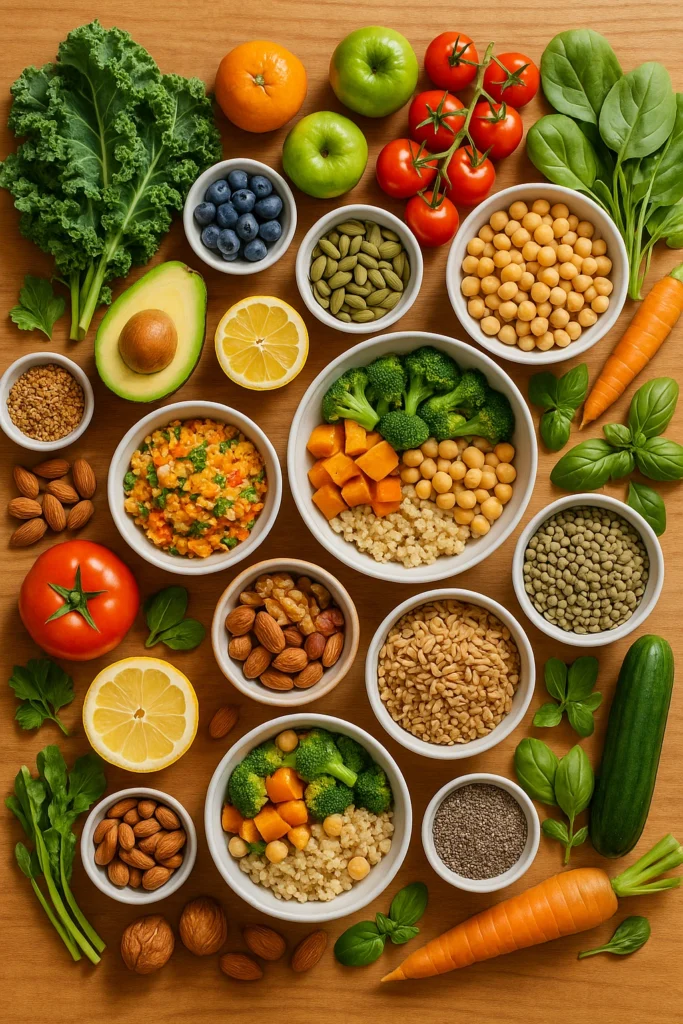
For most people, the easiest path is the gradual transition. Start by making one meal vegan for a month, then a full day, and slowly build up from there. Another popular method is the “Pescetarian to Vegetarian to Vegan” route. Focus on finding new, tasty plant-based meals. Don’t just limit yourself to old favourites. This keeps the transition positive and focused on abundance.
7.4. What Should a Vegan Avoid?
A true vegan lifestyle avoids all animal products. This includes meat such as pork, beef, poultry, and fish. It also covers dairy, such as milk, cheese, butter, and yoghurt. Eggs and animal-derived ingredients are part of this list, too.
Typical examples are gelatin, whey, casein, and honey. Ethical vegans also avoid clothing made from leather, wool, silk, or down. They steer clear of products, like cosmetics and cleaners, that have been tested on animals.
Your Sustainable Vegan Lifestyle Journey: Final Tips and Encouragement
Choosing a vegan lifestyle is a firm decision. It supports your health, protects the planet, and helps many animals.
Though the learning curve might feel steep at first, I hope these vegan lifestyle tips show it’s easy and rewarding.
Focus on whole foods, plan your nutrition (especially B12), and be compassionate with yourself and others.
Every single plant-based meal you choose is a step in the right direction. Remember, the vegan lifestyle is a journey of continuous learning and growth.
Enjoy the delicious food and the feeling of living in alignment with your ethics!
Further Reading:
- For a complete understanding of the philosophy, the official definition of veganism and its philosophy (The Vegan Society)
- To ensure optimal health: Guidance on Vitamin B12 from a respected health organization (National Institutes of Health)
- For practical tips on social navigation: Tips for navigating the vegan lifestyle in a non-vegan world (No Meat Athlete)
