
This is your ultimate guide to ancient biblical remedies meal plan.
The search for better health has taken us many places. We’ve tried trendy supplements and strict diets.
Amid the noise of today’s wellness industry, a clear path to vitality endures.
It lies in the ancient biblical remedies and dietary laws that have stood the test of time.
For millennia, the foods and principles referenced in scripture were the foundation of robust health and healing.
These choices were not random; they were intentional staples. They are pure, whole, and rich in the nutrients that modern science now confirms.
We often ignore this divine pharmacy today. We swap whole grains for refined flour, raw honey for processed sugar, and nutrient-rich fats for industrial oils.
This guide presents the Ancient Biblical Remedies Meal Plan. It offers a holistic way to live, eat pure foods, and nourish your body mindfully.
It’s not just about food. It’s about linking your body, mind, and spirit to a lasting source of wellness.
We’ll cover the basics, point out essential superfoods, and give you a simple 7-day meal plan.
This will help you regain health like the ancients did.
The Foundational Pillars of Biblical Health
The dietary principles in the Bible go beyond rules. They create a clear philosophy that respects both the body and the earth.
They set the stage for a life without diseases of wealth. This is based on two main ideas: the Garden diet and the law of purity.
The Principle of God-Given Food (The Garden Diet)
The very first dietary guideline in the Bible established a plant-based foundation for human life. In Genesis 1:29, God declares, “Behold, I have given you every herb bearing seed… and every tree… to you it shall be for food.”
This verse highlights whole, natural, and unprocessed foods: fruits, vegetables, nuts, and seeds.
This principle is the bedrock of the Biblical Remedies Meal Plan. It calls us back to eating foods as close to their original, God-given form as possible.
This matches today’s dietary guidelines. They focus on whole grains, fruits, and vegetables. These foods are high in vital vitamins and minerals, fiber, and antioxidants.
The focus is on the garden’s abundance, not on the scarcity of restrictions.
We focus on complex carbs like grains and legumes. We also include healthy fats from nuts, seeds, and oils. Plus, we get a range of vitamins from colourful fruits and vegetables.
The Law of Clean and Unclean (The Levitical Distinction)
A second key aspect of biblical health is the difference between “clean” and “unclean” foods. You can find this in Leviticus 11.
Some debate how these laws apply today. However, they reflect a strong understanding of public health and hygiene.
- Clean Meats: Herbivorous animals that chew the cud and have a divided hoof (cattle, sheep, goat), and fish that have both fins and scales (trout, salmon).
- Unclean Meats: Scavenger animals (pigs, rabbits, shellfish, bottom-feeders).
For those who include meat, the Ancient Biblical Remedies Meal Plan suggests choosing only clean meats. It’s best to get them from grass-fed and naturally raised animals.
Understanding biblical dietary laws helps us see why the Israelites avoided certain foods. These foods were often linked to parasites and disease. Even with modern cooking methods, some risks still exist.
Many people follow these guidelines today to keep their bodies pure. The Bible refers to the body as the temple of the Holy Spirit.
The Prescription of Fasting and Rest
The Bible’s remedies extend far beyond what people place on the plate. They include intentional rest for both the body and the digestive system.
- Fasting: The Daniel Fast involves avoiding meat, rich foods, and processed items. This practice highlights how restriction helps with spiritual focus and physical detox. Fasting enables the body to concentrate its energies on healing and gives the digestive system a break.
- Rest: The principle of the Sabbath is a remedy against chronic stress. Taking time to rest helps our body shift from “fight or flight” to “rest-and-digest.” This change is key to better nutrient absorption and healing.
The Biblical Superfoods: Nature’s Ancient Pharmacy
The lands of the Bible had many crops. Today, science has found that these crops can boost health.
These are the ingredients that form the heart of the Biblical Remedies Meal Plan.
The “Seven Species” of the Promised Land often summarise them. A few others are noted for their medicinal use.
1. Olive Oil: The Anointing Oil of Life
The Bible refers to olive oil many times. People used it for fuel, light, anointing, and medicine. Today, it remains the cornerstone of the healthiest dietary patterns globally.
Olive oil, particularly extra virgin, is rich in monounsaturated fats and polyphenols (powerful antioxidants) that fight inflammation.

Researchers praise the Mediterranean diet mainly because it is regularly consumed. This is the key reason for its benefits to cardiovascular health. Use it generously as your primary cooking oil and as a base for salad dressing.
2. Honey: Delight for the Body and Soul
Often symbolising abundance, raw honey is nature’s perfect sweetener. Unlike refined sugar, raw honey contains trace minerals, enzymes, and natural antibacterial compounds.
Raw honey has proven antimicrobial properties, making it great for sore throats and providing clean energy. In moderation, add it to plain yoghurt, cereal, or tea to sweeten it.

By RF_studio (https:www.pexels.com/@RF_studio)
3. Figs and Dates: Fibre-Rich Sustenance
These were ancient staples for a reason.
Dates and figs are excellent sources of dietary fibre, potassium, and magnesium. They provide quick, sustained energy and aid in healthy digestion.
These fruits are the ideal “power bars” of the ancient world. They are perfect for snacking or adding natural sweetness to baked goods.
4. Grains (Barley, Wheat, Spelt): The Staff of Life
The Bible is a story of bread.
But people consumed bread made from whole, ancient grains like barley, spelt, and whole wheat. These grains offer high levels of fibre, B vitamins, and minerals.
They are a world apart from the nutrient-stripped white flour common today.
Check out the nutritional benefits of ancient grains like spelt and barley. Try eating them whole or using sourdough methods to support digestion.
5. Lentils and Legumes: The Humble Powerhouse
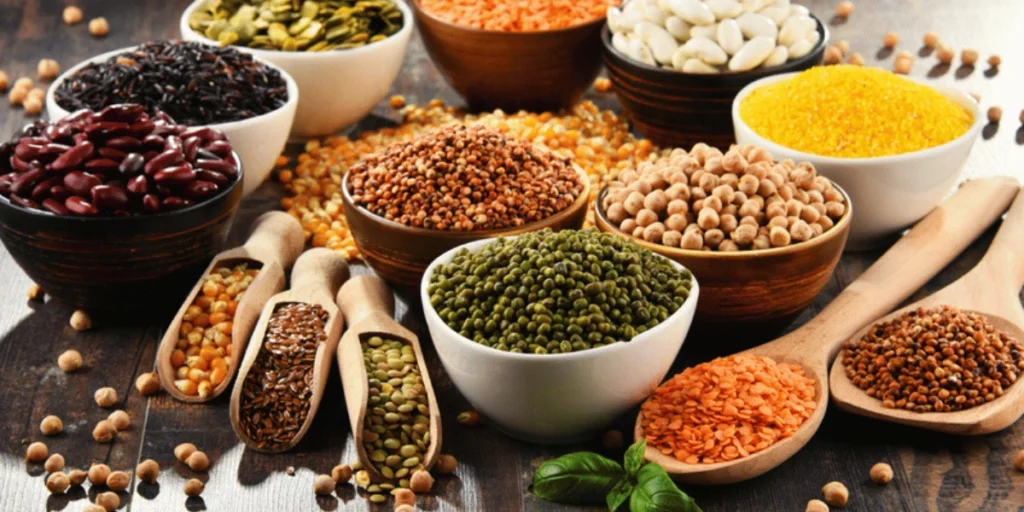
Esau exchanged his birthright for a pot of lentil stew. This story shows how vital lentils are as a protein source.
Lentils, beans, and chickpeas are rich in soluble fibre and protein. They help stabilise blood sugar and keep you feeling full longer. Base many of your weekly meals around these simple, yet profoundly nutritious legumes.
6. Pomegranate and Grapes: Antioxidant Jewels
Symbols of fertility and blessing, these fruits are packed with potent antioxidants. Pomegranates are known for their anti-inflammatory benefits. Grapes and moderate red wine have resveratrol, which is linked to longevity. Enjoy the fruits whole and in season.
7. Herbs and Spices (Hyssop, Cinnamon, Mint): Flavour and Healing
Scripture mentions various herbs used for flavour, healing, and cleansing rituals.
Hyssop was used symbolically for purification and historically for respiratory ailments. Cinnamon and mint were prized for their flavour and digestive benefits.
These ingredients show that food is medicine. They enhance the flavour of simple meals and provide health benefits.
The Ancient Biblical Remedies 7-Day Meal Plan
This plan is a template based on these key ideas:
- Plant-heavy foods.
- Whole foods.
- Healthy fats like olive oil and nuts.
- Clean protein from legumes, lean meats, or fish in moderation.
- Natural sweeteners such as honey and fruit.
Preparation and Shopping Guidelines
- Focus on Whole: Buy produce, whole grains (barley, quinoa, brown rice), and dried legumes.
- The Fats: Stock up on extra virgin olive oil, walnuts, almonds, and flax seeds.
- The Sweeteners: Use raw honey and fresh or dried fruit (figs, dates).
- Hydration: Water should be your primary beverage.
The 7-Day Meal Plan Template
| Day | Breakfast (Grains/Fruit/Nuts) | Lunch (Light/Legume Focus) | Dinner (Hearty/Protein Focus) | Snack (Energy/Remedy) |
| Day 1: Renewal | Spiced Oatmeal: Oats, cinnamon, chopped walnuts, raw honey. | Hearty Lentil Soup with fresh parsley and a side of whole-grain flatbread. | Baked Salmon (with fins & scales) seasoned with herbs and a large serving of roasted broccoli/kale. | Handful of almonds and an apple. |
| Day 2: Strength | Barley Porridge: Cooked barley with milk (dairy or almond), topped with dates. | Chickpea Salad: Mashed chickpeas, celery, onion, dressed with olive oil and lemon juice, served on lettuce wraps. | Shepherd’s Stew with lean grass-fed beef or lamb, barley, and root vegetables (carrots, sweet potatoes). | Figs soaked overnight in water. |
| Day 3: Cleansing | Fruit & Nut Bowl: Greek yogurt (plain), blueberries, flax seeds, and a drizzle of raw honey. | Large Green Salad: Arugula, cucumber, tomatoes, olives, a simple vinaigrette (olive oil, vinegar, lemon). | Quinoa and Black Bean Bowl with sautéed bell peppers and onions. | Pomegranate seeds. |
| Day 4: Simplicity | Spelt Flour Pancakes (made with water or almond milk) topped with sliced bananas and pecans. | White Bean and Kale Soup (cannellini beans) seasoned with garlic and a splash of olive oil. | Baked Chicken (skinless, clean source) with a side of roasted root vegetables (beets, parsnips). | Walnuts and a pear. |
| Day 5: Grounding | Fig and Date Smoothie: Blended with water, a spoonful of almond butter, and a dash of cinnamon. | Hummus with a generous platter of raw vegetables (carrots, celery, cucumbers) and a piece of whole-grain pita. | Lentil and Barley “Pilaf” with diced onions, mushrooms, and herbs. | Raw Honey and a small piece of whole-grain bread. |
| Day 6: Preparation | Hard-boiled eggs (optional, from clean source) with a side of sliced tomatoes and avocado. | Garden Vegetable Stew: Simmered zucchini, eggplant, tomatoes, and chickpeas, seasoned with basil and oregano. | Baked Cod or Tilapia seasoned with lemon, served with a whole-grain rice/quinoa blend. | A handful of walnuts. |
| Day 7: Rest & Feast | Ancient Grain Bowl: Cooked quinoa, Greek yogurt, berries, and a sprinkle of cinnamon. | Leftovers from Day 6, or a simple avocado and tomato salad. | Feast Meal: Lean grass-fed steak or lamb (smaller portion), a large roasted vegetable medley, olives, and an intentional, slow-enjoyed meal. | Fresh seasonal fruit plate. |
Practical Remedy Tips
- Soaking Grains/Legumes: Soak dried beans, like lentils and chickpeas, overnight. This helps with digestion and follows an ancient tradition.
- The Balm: For minor healing, use a natural balm made from olive oil and beeswax. You can use pure olive oil for massage and moisturising. This reflects the ancient practice of using balm and oil for care.
- Hyssop Tea: Brew dried hyssop in tea for respiratory comfort. This follows its traditional use.
Beyond the Plate: Biblical Lifestyle & Wellness
The deepest biblical solution is to recognise that health encompasses spiritual, physical, and mental aspects.
The foods are tools, but the mindset is the engine.
The Power of Intentional Gratitude
Before every meal, we are taught to give thanks. This practice is more than a tradition; it’s a profound biological remedy.
Appreciating your food helps your body relax. It triggers the parasympathetic nervous system. This enables you to shift from stress to a “rest-and-digest” state.
This simple act helps absorb nutrients fully and eases digestive discomfort.
Adding intentional gratitude and mindfulness to your daily routine is as vital as any superfood.
Water: The Elixir of Life
The Bible speaks of “living water,” underscoring the vital role of pure, clean hydration.
Water is vital for all body functions. It aids in digestion, transports nutrients, and helps detoxify.
The biblical remedy here is to prioritise pure water above all other beverages (soda, sweetened juices, etc.). Use herbal teas (like mint or chamomile) for flavour, but let water be your anchor.
The Avoidance of Gluttony and Excess
A core theme in scripture is moderation.
Proverbs warns against those “given to gluttony.” This isn’t about shaming, but about recognising that excess—in any form—is a burden on the body and spirit.
Biblical Remedies Meal Plan helps you fill up on nutrient-rich foods. It promotes stopping when you’re satisfied. It also encourages enjoying feast days with intention and gratitude, not mindless overeating.
This moderation is a vital remedy against metabolic syndrome and chronic disease.
Conclusion: A Return to Simplicity and Purity
The Ancient Biblical Remedies Meal Plan is a simple and effective way to enhance your health.
You don’t need expensive powders, trendy ideas, or doctor visits. Just don’t forget to consult your physician before making big dietary adjustments.
It’s a call to embrace a simple, intentional way of living, as our ancestors did. This means focusing on whole, plant-rich foods, clean proteins, and natural fats. Most importantly, it emphasises a lifestyle of rest, gratitude, and moderation.
By following these ancient guidelines, you’re not just changing your diet. You’re honouring your body as the temple it should be. You’re using nature’s gifts to restore strength, vitality, and peace.
Start today. Don’t try to change everything at once. Swap your morning cereal for oatmeal with honey and nuts. You can also replace one refined meal with a hearty bowl of lentil soup.
You will soon find the deep healing power in the Bible’s ancient remedies.
