

Introduction: Spice Island & WFPB Synergy
Here’s your complete evidence-based WFPB travel guide to Zanzibar.
Welcome to Zanzibar, the legendary Spice Island!
Imagine bright white-sand beaches and the blue Indian Ocean. Picture the historic maze of Stone Town, where stories of old trade are shared.
For those devoted to the Whole Food Plant-Based (WFPB) lifestyle, the pull is strong. A common worry arises: “Can I stick to my health goals and follow evidence-based nutrition while visiting this exciting place?”
The short answer, backed by the island’s rich agricultural history, is a resounding Yes!
Travel can be a challenge for WFPB living. You must watch out for hidden oils, processed foods, and animal products.
Zanzibar is more than a tourist spot. It’s a tropical hub known for exporting cloves, nutmeg, cinnamon, and a variety of fresh produce.
Swahili cuisine focuses on staples such as rice, beans, cassava, and coconut. This makes it an excellent match for WFPB principles.
This is your complete vegan travel guide to Zanzibar.
We’ll guide you to explore more than basic salads. Discover authentic, naturally WFPB dishes.
These meals will boost your energy, delight your taste buds, and support your health goals while you gaze out at the stunning Indian Ocean.
Embrace the spice, savour the local bounty, and unlock Zanzibar as your next WFPB paradise.
The WFPB Evidence: Swahili Cuisine as Your Ally
The WFPB diet centres on eating mostly plants and minimally processed foods.
In Zanzibar, the foundation of Swahili cuisine is perfectly aligned with this goal.
Historically, dishes used affordable, local starches and pulses (legumes). The coconut was also key, serving as a staple fat source. Its natural milk played an essential role in this region’s cuisine.
The key to WFPB success here is focusing on the traditional dishes and learning a few simple phrases.
Naturally WFPB Staples: Your “Must-Try” List
The healthiest WFPB meals are usually on the local menu. Just ask for them bila nyama—without meat.
- Maharage ya Nazi: This is your WFPB hero dish. It consists of kidney or red beans, cooked in coconut milk with spices. It’s a nutrient powerhouse. It’s high in fibre and protein. People usually serve it with plain Wali (boiled rice) or Ugali (thick cornmeal porridge). Make sure to confirm it’s prepared without fish/chicken stock.
- Ndizi Na Nazi: A hearty, savoury dish of green bananas or plantains cooked in coconut milk. This is an excellent source of resistant starch, fantastic for gut health.
- Mchicha is a simple yet essential dish made from leafy greens, such as amaranth or spinach. It’s often cooked down with a bit of coconut milk or peanut butter. This delivers critical vitamins and minerals—a true WFPB staple.
- Wali wa Nazi: Coconut rice. A delicious, naturally flavoured rice that pairs perfectly with Maharage. Just be aware of the potential added oil in preparation.
- Mhogo: Cassava root, often boiled or mashed. A substantial, clean carbohydrate source.
Speaking the WFPB Language
To meet strict WFPB standards—no oil, no dairy, no processed ingredients—direct communication is key.
Most chefs are happy to accommodate, but clarity is key:
- “Sili nyama, samaki, wala maziwa” (I don’t eat meat, fish, or dairy).
- “Mboga tu” (Vegetables only).
- “Bila mafuta” (Without oil).
- “Bila sukari” (Without sugar—critical for fresh juices).
Focusing on these plant-based pillars gives you a diet backed by evidence. It’s locally sourced. This helps lower inflammation and enhance nutrition on your trip.
Market Magic: The Core of Your WFPB Diet
To fully embrace the WFPB lifestyle in Zanzibar, dive into the local markets.
Markets offer the freshest, unprocessed, and nutrient-rich foods. They are the foundation of your diet.
Darajani Market: The Mother Lode
In Stone Town, the Darajani Market is a sensory overload and your primary source for WFPB goods. While the fish and meat sections are famous, head straight for the produce aisle:
- Tropical Fruits: This is where you load up. You can enjoy mangoes, papayas, pineapples, jackfruit, custard apples, and various bananas—green, yellow, and red—any time of the year. These are perfect for hotel-room breakfasts or on-the-go snacks. WFPB Tip: Always choose fruits you can peel yourself (banana, mango) to minimise food safety risk.
- Root Vegetables: Stock up on sweet potatoes (viazi vitamu), yams, and regular potatoes. These staples are filling and rich in fibre. You can boil or steam them in your kitchen.
- Legumes: Choose sacks of dried beans (maharage), lentils, and peanuts. They are affordable protein staples for a WFPB diet.
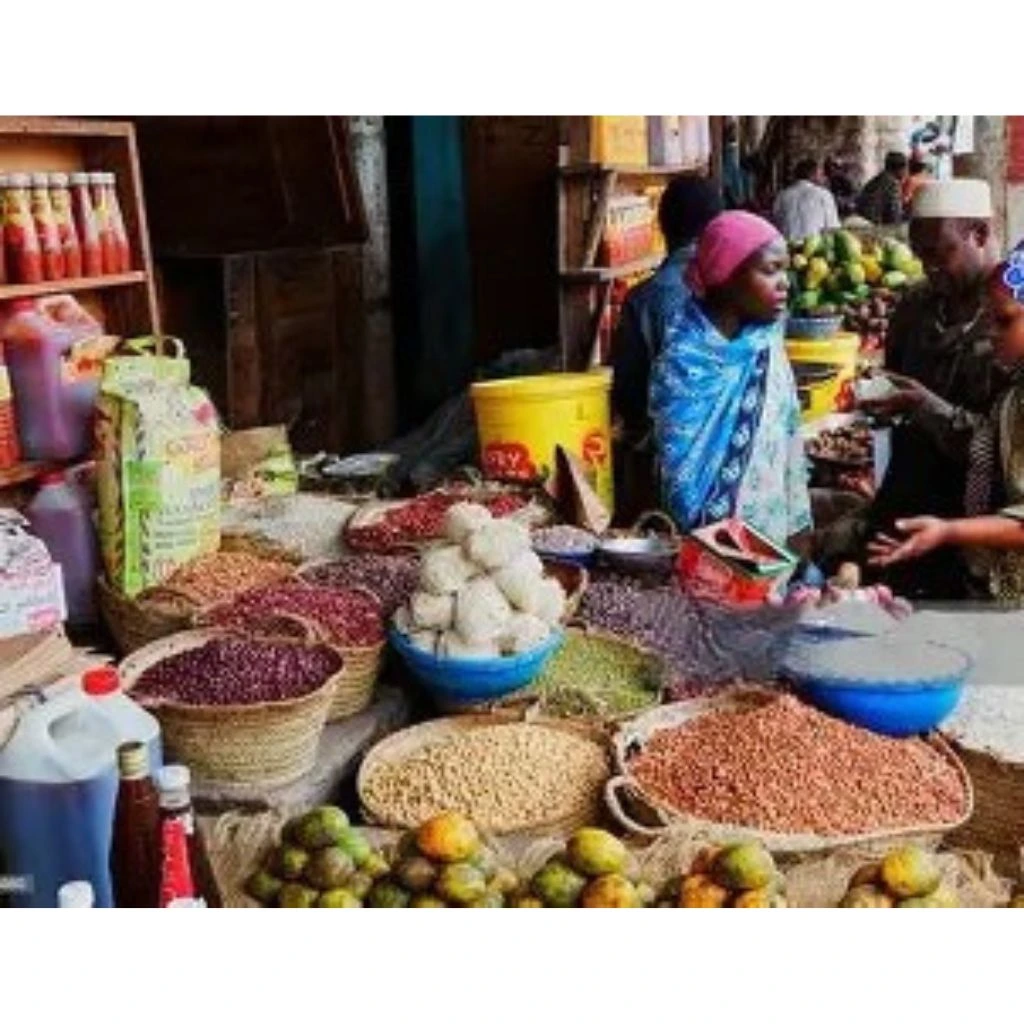
Darajani Market, Zanzibar
Spices as WFPB Medicine
Zanzibar is known as the Spice Island.
These flavours don’t just taste great; they also support inflammation-fighting, backed by science.
This is where your food becomes medicine:
- Turmeric: A potent anti-inflammatory compound, used liberally in stews and rice.
- Cinnamon and Clove: Excellent for blood sugar regulation and packed with antioxidants.
- Ginger and Cardamom: Perfect additions to hot water for a soothing, healthy tea.
Actionable WFPB Tip: Visit a spice farm tour. You learn a lot about how these compounds grow. You can buy them fresh, which helps local growers. This is an essential part of ethical WFPB tourism.
Navigating Street Food (Forodhani Gardens)
The evening food market at Forodhani Gardens is iconic, but requires WFPB vigilance:
- The Danger: Most items are deep-fried in oil or contain hidden eggs, cheese, or meat stock.
- The Safe Bets: Look for dedicated fresh fruit stalls and the Sugar Cane Juice vendors (often freshly pressed, but confirm no added water/sugar). Suppose you’re okay with a bit of oil. In that case, you can get the Kachori (spiced potato balls) or Zanzibar Pizza (savoury dough pocket) vegan. Just ask for vegetables only—no egg, cheese, or meat.
WFPB-Friendly Restaurants & Cafés
Self-catering with fresh market produce is great for sticking to a strict WFPB diet. But you’ll also want to experience the local dining scene.
Check out spots for conscious travellers or local places known for their veggie-packed buffets.
Dedicated Plant-Based Havens
Zanzibar is popular with mindful travellers. This has led to more plant-based restaurants opening up.
Check current reviews on sites like HappyCow. Look for places that cater to vegans and vegetarians, such as The Plants, Green Garden Café, and Zanzest Vegan Restaurant. These spots understand terms like “oil-free” and often use high-quality, local ingredients.
The Local Buffet Strategy
In Stone Town, places like Lukmaan Restaurant provide cafeteria-style service.
This is great for WFPB diners.
You can visually confirm and point to the WFPB staples:
- Find the large pots containing the various vegetable stews (Mchicha, Maharage ya Nazi).
- Point directly to the plain rice (Wali), cassava (Mhogo), or plain boiled vegetables.
- This strategy minimises miscommunication and allows you to build a perfect WFPB plate.
Hotel & Resort Dining: The Custom Order
For travellers at mid- to high-end resorts, especially in Nungwi or Paje, chefs are often very accommodating.
Don’t be shy about making a specific request:
“I need a plain, Whole Food Plant-Based dinner. Please prepare a plate of steamed seasonal vegetables, like spinach, carrots, and beans. Also, include a large serving of plain boiled rice or sweet potato. Make sure to cook everything without oil, butter, or animal products.”
This is the most reliable way to maintain WFPB integrity in a resort setting.
The WFPB Lifeline: Smoothies and Juice Stalls
Everywhere you go, you’ll find fresh juice stalls. This is a critical WFPB resource:
- Request juice or a smoothie. Say, “Bila sukari, bila maziwa, na bila maji ya chupa” (Without sugar, without dairy, and without bottled water). Opt for fruit and natural coconut milk (or just water).
- Hygiene Note: If you’re sensitive, choose fruits blended into thick smoothies. These use the fibre-rich whole fruit. You can also ask for just the fruit.
Practical WFPB Travel Logistics
Maintaining your WFPB commitment successfully requires planning and logistical awareness.
The health benefits are too high to leave to chance.
Accommodation Choices: Self-Catering vs. Service
- Self-Catering (Airbnbs/Villas): The gold standard for WFPB travel. Access to a kitchen lets you cook store-bought Maharage and steamed Mhogo or Viazi (sweet potato) without worrying about added oil or sugar.
- Hotels/Resorts: Requires more diligence. Always check breakfast choices. Look for big bowls of fresh fruit, plain oatmeal, and toast without butter, if you eat bread. Bring your own WFPB-friendly toppings like peanut powder or yeast flakes.
Water and Food Safety: The Evidence-Based Mantra
An evidence-based approach to travel focuses on food safety. This helps prevent illness, which can ruin any diet.
Follow the well-known adage: “Boil it, cook it, peel it, or forget it.”
- Water: Always use bottled, sealed water for drinking and brushing teeth. Avoid ice cubes outside of reliable, high-end establishments.
- Vegetables: Ensure all non-peelable fruits and vegetables are thoroughly cooked. Stick to the cooked local stews (Mchicha, Maharage). Only eat raw salads where you trust the washing methods.
WFPB Essentials to Pack
A few packed items can significantly boost your WFPB compliance and peace of mind:
- Portable Blender/NutriBullet: A must-have for quick, tasty smoothies. Blend fresh fruit right in your room!
- WFPB Snacking Staples:
- Protein bars (oil and sugar-free)
- Small packets of nuts and seeds
- Nutritional yeast flakes
- Ground flaxseed for fibre and omega-3s in rice or stews
- Digestive Support: A good probiotic and digestive enzymes help your system adapt to new flora and spices.
Conclusion: The WFPB Reward
Zanzibar is more than just a beautiful island; it is an undiscovered gem for the Whole Food Plant-Based traveller.
The local culture relies on staples that support your healthy lifestyle—legumes, grains, coconut, and many spices. This makes your trip not just enjoyable but also healthy and enriching.
Knowing the key dishes, enjoying local markets, and sharing your needs helps you stick to your WFPB commitment. Plus, it makes it even better.
You join the local culinary tradition. You swap fear of dietary limits for the joy of discovering authentic, healthy, and tasty foods.
Get your bags ready and brush up on your Swahili. You’re off to the Spice Island! Here, you’ll find a mix of evidence-based nutrition and equatorial beauty.
Your complete vegan travel guide to Zanzibar is now complete—explore!
Have you found a hidden WFPB gem in Zanzibar? Share your favourite oil-free, plant-based restaurant or dish in the comments below!

One Response