By Zama Zincume — Public Health Specialist & Plant-Based Food Writer
Quick Answer
Adopting a whole-food, plant-based (WFPB) diet rich in indigenous grains, legumes, vegetables, fruits, seeds, and nuts provides a scientifically proven approach to preventing, managing, and often reversing South Africa’s leading non-communicable chronic diseases (NCDs)—including Type 2 diabetes, hypertension, cardiovascular disease, and obesity.
By leveraging existing South African Food-Based Dietary Guidelines (FBDGs) and replacing refined, ultra-processed products with fiber-dense local staples (like sorghum, cowpeas, samp, and imifino), plant-based dietary guidelines tailored for South Africans can lower blood pressure, restore insulin sensitivity, and dramatically improve cardiovascular health on a budget.
Key Takeaways
- The SA Health Context: Non-communicable diseases (NCDs) account for over 50% of all mortality in South Africa. Diets high in refined starches, saturated animal fats, and added salt drive this crisis.
- FBDG Alignment: South Africa’s national Food-Based Dietary Guidelines already recommend eating legumes regularly, making unrefined starches the base of meals, and consuming abundant fruits and vegetables daily. A plant-based approach elevates these principles.
- Disease Reversal Potential: Peer-reviewed clinical trials demonstrate that whole-food plant-based eating can reverse Type 2 diabetes, unclog coronary arteries, drop systolic blood pressure, and achieve sustainable weight management.
- Culturally Grounded & Budget-Friendly: Healthy plant-based eating isn’t about expensive imported superfoods—it relies on affordable Mzansi staples like brown lentils, split peas, sorghum, sweet potatoes, peanut butter, and wild greens (imifino/morogo).
- Nutritional Completeness: A well-planned plant-based diet provides adequate protein, iron, and calcium. Vitamin B12 supplementation is mandatory for strict plant-based eaters.
Hello & Welcome! Why I Wrote This Guide
If you live in South Africa, you likely know someone, a parent, sibling, neighbour, or perhaps yourself, who takes daily chronic medication for high blood pressure, elevated blood sugar, or high cholesterol.
For years, I watched family members and friends struggle with chronic conditions, accepting them as an inevitable part of ageing or genetics.
But when I began diving into public health literature and peer-reviewed clinical trial data; and exploring the wealth of evidence collated by local educational hubs like eatingplantbasedza.com and PAN South Africa—realiseded something profound: our plates hold the most powerful prescription we will ever be given.
In this guide, I break down evidence-based plant-based dietary guidelines tailored for South Africans. We will look at how whole plant foods address our nation’s primary chronic health challenges, how to adapt our traditional dishes, and how to fuel your body affordably and sustainably.
1. The Heavy Burden of Chronic Disease in South Africa
South Africa faces what epidemiologists call a “double burden of disease.” While we continue to manage infectious diseases like HIV and Tuberculosis, non-communicable lifestyle diseases (NCDs) have surged over the past two decades.
                      SOUTH AFRICA'S NCD CRISIS
 ┌──────────────────────────────────────────────────────────────────┐
 │
 │  • Cardiovascular Disease (CVD) :               #1 Cause of natural death
 │  • Type 2 Diabetes  :                                    Fastest-growing health threat   │
 │  • Hypertension (High BP) :                         Affects >45% of adult SA population│
 │  • Obesity / Overweight :                            >68% of women & >31% of men       │
 │
 └──────────────────────────────────────────────────────────────────┘
The underlying driver behind this surge is a rapid nutrition transition. Traditional, high-fibre diets rich in whole grains, wild greens, and legumes have largely been displaced by modern Western-style diets packed with:
- Refined maize meal and white flour.
- High-fat processed meats (boerewors, polony, processed sausages).
- Ultra-processed snack foods and sugar-sweetened beverages.
- Excessive sodium (salt added during cooking and in manufactured foods).
The Economic & Human Cost
This transition carries a heavy toll. Chronic illness drains household finances through medication costs and lost productivity, while straining our public and private healthcare sectors. The encouraging news from nutritional science is that up to 80% of premature heart disease, stroke, and Type 2 diabetes cases are preventable through lifestyle modifications—with diet playing the central role.
2. Reimagining South Africa’s Food-Based Dietary Guidelines (FBDGs)
Many South Africans are unaware that our National Department of Health, together with the Nutrition Society of South Africa (NSSA) and the South African Medical Research Council (SAMRC), has established national Food-Based Dietary Guidelines (FBDGs).
A landmark 2025 review published in the South African Journal of Science by PAN South Africa evaluated dietary guidelines across the continent. South Africa’s guidelines ranked highest on the Balanced Food Choice Index due to their comprehensive scope. However, there remains an urgent need to emphasise whole, unrefined plant foods as the front-line intervention for chronic disease prevention.
Here is how key official SA dietary guidelines translate into a plant-based framework:
| Official SA Dietary Guideline | Standard Interpretation | Whole-Food Plant-Based (WFPB) Upgrade |
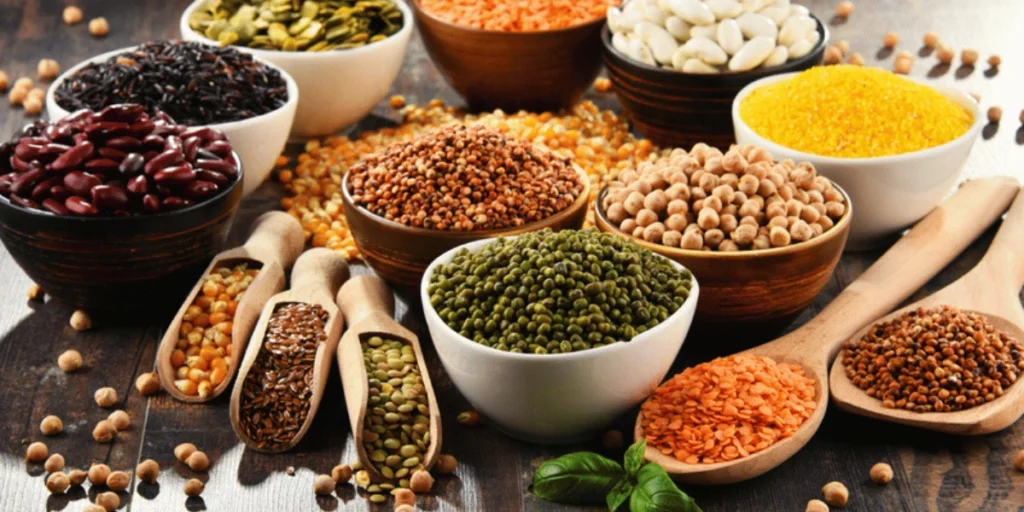
| “Make starchy foods part of most meals” | Refined mealie meal, white bread, white rice. | Sorghum, millet, intact samp, sweet potatoes, oats, brown rice, whole-wheat brown bread. |
| “Eat dry beans, split peas, lentils and soya regularly” | Side dishes or occasional meat extenders. | Primary protein centrepieces: Black-eyed beans, brown lentils, chickpea stews, soya mince, and tofu. |
| “Eat plenty of vegetables and fruit every day” | 1-2 small servings alongside meat. | Half your plate at every meal; prioritising dark leafy greens (imifino/morogo), orange veggies, berries, and citrus. |
| “Use fats sparingly” | Reducing cooking oil and butter. | Eliminating trans/saturated animal fats; sourcing healthy fats from whole avocado, raw seeds, nuts, and peanut butter. |
| “Use salt sparingly” | Less table salt. | Cooking with herbs, garlic, lemon, ginger, and spices while skipping salty seasoning cubes and processed meats. |
3. Disease-Specific Plant-Based Guidelines
Whole plant foods—rich in dietary fibre, phytonutrients, potassium, magnesium, and antioxidants—act on the root cellular mechanisms of chronic disease: systemic inflammation, oxidative stress, endothelial dysfunction, and insulin resistance.
                         CELLULAR MECHANISMS
 ┌──────────────────────────────────────────────────────────────────┐
 │                                                                                                    │
 │   HIGH-FIBER PLANT DIET                                                          │
 │     ├──> Short-Chain Fatty Acids (SCFAs: Acetate, Butyrate)     │
 │     │      ├──> Restores Gut Microbiome Diversity                     │
 │     │      └──> Improves Insulin Sensitivity & Satiety                 │
 │     ├──> High Potassium & Low Sodium                                   │
 │     │      └──> Relaxes Arterial Walls -> Lowers Blood Pressure
 │     └──> Zero Dietary Cholesterol + Low Saturated Fat
 │            └──> Upregulates LDL Receptors -> Clears Blood Lipids
 └──────────────────────────────────────────────────────────────────┘
A. Type 2 Diabetes and Insulin Resistance
Type 2 diabetes affects millions of South Africans, leading to severe complications including kidney disease, vision loss, and lower-limb amputations.
The Root Cause: Intramyocellular Lipids
Contrary to popular belief, diabetes isn’t caused simply by eating sugar; it begins with insulin resistance. When tiny fat droplets (intramyocellular lipids) accumulate inside muscle and liver cells, they block insulin’s signalling pathway. Glucose can no longer enter the cells efficiently, causing blood sugar to spike.
The Plant-Based Solution
A whole-food, low-fat plant-based diet reduces intramyocellular fat, restoring cellular insulin sensitivity.
- Fiber-Rich Legumes: Beans, lentils, and chickpea dishes have a remarkably low glycemic index (GI). Their soluble fibre slows glucose absorption, preventing post-meal spikes.
- The “Second-Meal Effect”: Consuming legumes at lunch improves glucose tolerance not only for that meal, but for dinner as well.
- Whole Grains over Refined Starches: Swapping refined maize meal for intact grains such as sorghum, pearl millet, or barley provides a steadier release of energy and lowers long-term HbA1c levels.
Clinical Insight: In landmark clinical trials, a low-fat vegan diet outperformed standard diabetes diets, allowing patients to lower or discontinue their anti-diabetic medications while achieving significant weight loss.
B. Hypertension (High Blood Pressure) & Stroke
Hypertension is often called the “silent killer” in South Africa because it damages arteries without obvious symptoms until a heart attack or stroke occurs.
How Plant Foods Lower Blood Pressure
- Potassium-to-Sodium Balance: Traditional South African processed diets supply excessive sodium and very little potassium. Plant foods (sweet potatoes, leafy greens, bananas, lentils) are packed with potassium, which prompts the kidneys to excrete excess sodium and relaxes blood vessel walls.
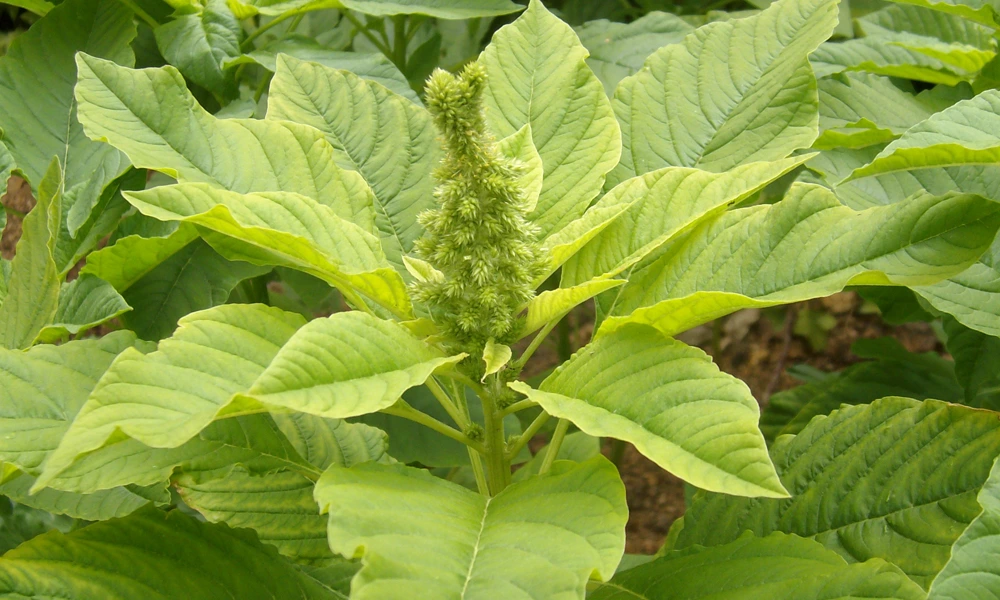
- Nitric Oxide Production: Green leafy vegetables (imifino, spinach, kale, beetroot greens) are naturally rich in inorganic nitrates. Your body converts these nitrates into nitric oxide, a compound that dilates blood vessels and lowers blood pressure naturally.
- Viscosity Reduction: Eliminating saturated animal fats reduces blood viscosity (“thickness”), making it easier for the heart to pump blood throughout the body.
C. Cardiovascular Disease (CVD) & Dyslipidemia
Cardiovascular disease remains the leading natural cause of mortality in South Africa. Atherosclerosis—the buildup of fatty plaques inside coronary arteries—begins in early adulthood and advances over decades.
                    ATHEROSCLEROSIS PROGRESSION
 ┌──────────────────────────────────────────────────────────────────┐
 │                                                                  │
 │   High Saturated Fat & Cholesterol Intake
 │     │                                                            │
 │     ▼                                                            │
 │   Elevated Circulating ApoB / LDL-Cholesterol Particles
 │     │                                                            │
 │     ▼                                                            │
 │   LDL Penetrates & Oxidizes in Arterial Endothelium
 │     │                                                            │
 │     ▼                                                            │
 │   Inflammatory Cascade + Plaque Buildup -> Arterial Blockage
 │                                                                  │
 └──────────────────────────────────────────────────────────────────┘
The Science of Reversal
Research initiated by pioneering researchers such as Dr Caldwell Esselstyn and Dr Dean Ornish demonstrated that an ultra-low-fat, whole-food plant-based diet can stop and even reverse coronary artery disease.
- Zero Dietary Cholesterol: Plants contain zero cholesterol.
- Low Saturated Fat: Plant foods (excluding coconut and palm oil) are naturally very low in saturated fat, upregulating LDL receptors in the liver, helping it clear circulating LDL-C (“bad” cholesterol) from your bloodstream.
- Soluble Fibre: Soluble fibre (found abundantly in oats, beans, chia, and flaxseeds) binds to cholesterol-containing bile acids in the digestive tract and carries them out of the body.
D. Obesity and Weight Management
Over 68% of adult South African women and 31% of adult men are classified as overweight or obese.
Diets heavy in oil, meat, cheese, and refined starches are calorically dense—they deliver large amounts of calories in small physical volumes, making it easy to overeat before your stomach’s stretch receptors signal fullness.
Caloric Density vs Volumetrics
                      DIETARY CALORIC DENSITY
 ┌──────────────────────────────────────────────────────────────────┐
 │
 │   Oil          : ~37,000 kJ/kg  [Extremely Dense]
 │   Meat/Cheese  : ~10,000 - 15,000 kJ/kg
 │   Refined Carb : ~12,000 kJ/kg
 │   ────────────────────────────────────────────────────────────   │
 │   Whole Starches : ~4,000 - 5,000 kJ/kg
 │   Legumes      : ~3,500 - 4,500 kJ/kg
 │   Veggies/Fruit : ~1,500 - 2,500 kJ/kg  [High Volume / Low kJ]
 │
 └──────────────────────────────────────────────────────────────────┘
Whole plant foods have a low caloric density and a high nutrient density. You can fill your stomach with large portions of bean stews, roasted vegetables, and intact grains while consuming fewer total calories—allowing for natural, sustainable weight loss without restrictive portion counting or chronic hunger.
4. The South African Plant-Based Plate
Eating plant-based in South Africa does not mean adopting an unfamiliar Western diet. In fact, traditional African heritage food patterns were largely plant-forward, relying on indigenous grains, wild greens, legumes, and root vegetables.
Here is how to structure an authentic, health-promoting South African plate:
                  THE OPTIMAL SOUTH AFRICAN PLANT PLATE
        ┌──────────────────────────────────────────────────────┐
        │
        │             25% WHOLE STARCHES
        │        (Sorghum, Brown Samp, Sweet Potato,
        │             Millet, Brown Rice)
        │
        ├──────────────────────────┬───────────────────────────┤
        │                                        │
        │      25% LEGUMES &       │     50% VEGETABLES &
        │     PLANT PROTEINS       │         FRUITS
        │                                        │
        │   (Sugar Beans, Brown    │   (Imifino/Morogo, Kale,
        │    Lentils, Split Peas,        │   Cabbage, Carrots, Red
        │    Tofu, Soya Mince)        │   Onion, Pumpkin, Citrus)
        │                                        │
        └──────────────────────────┴─────────────────────────--┘
Traditional South African Food Swaps
You do not have to give up your favourite comfort meals. With simple swaps, traditional classics can be transformed into potent therapeutic foods:
 Traditional SA Meal                 WFPB Health-Promoting Version
 ───────────────────                 ─────────────────────────────
 • White Pap & Fatty Meat Gravy  ──> • Sorghum / Coarse Meal & Lentil Chakalaka
 • Samp & Mutton (Umngqusho)     ──> • Brown Samp & Sugar Beans with Turmeric & Tomatoes
 • Beef / Minced Meat Bobotie    ──> • Brown Lentil & Walnut Bobotie with Turmeric Custard
 • Polony / Cheese Sandwich      ──> • Whole-wheat Bread with Chickpea "Tuna" Mash & Greens
 • Braai Wors & White Rolls      ──> • Grilled Bean Burgers or Spiced Mushroom Skewers
5. Navigating Micronutrients & Essential Supplementation
A well-planned plant-based diet provides abundant vitamins, minerals, antioxidants, and fibre. However, a few key nutrients require conscious planning to ensure total dietary adequacy.
1. Vitamin B12 (Non-Negotiable Supplement)
- Why it matters: Vitamin B12 is produced by soil and gut bacteria, not plants or animals. Animals accumulate it from soil/feed. In our modern sanitised water and food supply, plant foods do not reliably contain B12.
- Guideline: Everyone following a strict plant-based diet must take a B12 supplement.
- Dosage: Either 50–100 mcg daily or 2,000 mcg weekly of Cyanocobalamin or Methylcobalamin.
2. Iron & Vitamin C Synergy
- Why it matters: Plant iron (non-heme iron) is abundant in lentils, beans, spinach, seeds, and oats. Its absorption is regulated naturally by the body.
- Pro-Tip: Pair iron-rich plant foods with Vitamin C (lemon juice, tomatoes, bell peppers, oranges) to increase iron absorption up to fourfold. Avoid drinking tea or coffee directly with meals, as tannins inhibit iron uptake.
3. Calcium without Dairy
- Why it matters: Bone health depends on calcium, Vitamin D, exercise, and low systemic inflammation.
- Plant Sources: Dark green leafy vegetables (imifino, kale, bok choy), fortified plant milks (soy, oat), sesame seeds (tahini), calcium-set tofu, and white beans.
4. Omega-3 Fatty Acids (ALA)
- Why it matters: Essential for brain and cardiovascular health.
- Plant Sources: Ground flaxseeds (linseeds), chia seeds, walnuts, and hemp seeds. Aim for 1-2 tablespoons of ground flaxseed or chia seeds daily.
6. Budget-Friendly Plant-Based Shopping in Mzansi
A common myth is that plant-based diets are expensive. While speciality vegan cheeses and imported meat alternatives can be costly, a diet based on whole plant foods is the most economical way to eat in South Africa.
The “Mzansi Saver” Pantry Shopping List
 ┌──────────────────────────────────────────────────────────────────┐
 │                                                                                                   │
 │  STAPLES & GRAINS (Buy in Bulk)                                             │
 │  • Brown Lentils, Speckled Sugar Beans, Dry Chickpeas            │
 │  • Yellow & Green Split Peas, Dry Soya Mince (Unflavored)
 │  • Whole Grain Maize Meal, Sorghum Grain/Meal, Rolled Oats
 │  • Brown Samp, Brown Rice
 │                                                                                                    │
 │  PRODUCE (Buy Seasonal & Local)
 │  • Cabbage, Spinach / Imifino, Carrots, Onions, Garlic, Ginger   │
 │  • Sweet Potatoes, Butternut, Pumpkin                                       │
 │  • Bananas, Apples, Oranges / Naartjies (in season)                   │
 │                                                                                                    │
 │  HEALTHY FATS & FLAVOR BOOSTERS                                       │
 │  • Unsweetened Peanut Butter                                                   │
 │  • Sunflower Seeds, Ground Linseeds (Flax)                               │
 │  • Iodised Table Salt, Turmeric, Curry Powder, Black Pepper      │
 │  • Canned Tomato & Onion Mix                                                 │
 │                                                                                                     │
 └──────────────────────────────────────────────────────────────────┘
7. Your 4-Week Actionable Step-by-Step Transition Roadmap
Transitioning to a plant-based lifestyle does not have to happen overnight. A structured, progressive approach leads to lasting habits.
- Week 1: Master the Plant-Based Breakfast: Build momentum with your first meal of the day.
Swap out processed meats, eggs, and sugary cereals. Switch to a bowl of hot rolled oats or sorghum porridge cooked with water or plant milk, topped with 1 tablespoon of ground flaxseeds, a spoonful of peanut butter, and chopped banana or seasonal berries. This single change dramatically lowers morning cholesterol and stabilises blood sugar through lunch.
2.Week 2: Plantify Your Favourite Dinners: Replace meat in 3 family staples.
Take 3 meals you already cook every week—such as bolognaise, curry, or stew—and swap the meat for whole plant protein:
- Bolognaise: Replace minced beef with brown lentils or rehydrated soya mince.
- Curry: Replace chicken with chickpea and potato curry served with brown rice.
- Stew: Replace beef with sugar beans, carrots, and sweet potatoes.
3. Week 3: Upgrade Your Lunchbox & Snacks: Eliminate processed mid-day triggers.
Ditch processed meats and cheeses. Pack whole-grain sandwiches with hummus, sliced cucumber, and spinach, or bring leftover bean-and-grain bowls from dinner. For snacks, keep apples, bananas, roasted chickpeas, or a handful of raw peanuts and raisins nearby.
4. Week 4: Establish 100% WFPB & Secure Supplements: Lock in your long-term daily health routine.
Transition fully to whole plant foods at all meals. Start taking a daily Vitamin B12 supplement (50-100 mcg). Schedule a routine check-up with your healthcare provider to monitor your blood pressure, fasting glucose, and lipid panel, and adjust chronic medications safely under medical supervision as your biomarker numbers improve.
Final Thoughts: Taking Back Our Health
The chronic disease epidemic facing South Africa is not an unchangeable fate. It is largely the result of a shifting food environment that has moved us away from real, unrefined, whole plant foods.
By embracing a plant-based diet grounded in our country’s rich agricultural tradition—filling our plates with lentils, beans, sorghum, sweet potatoes, and green leafy vegetables—we can prevent and reverse our most pressing chronic illnesses.
You don’t need expensive imports or fancy ingredients. Start right where you are, with what is available at your local market, and take back your health one meal at a time.
References & Recommended Reading
- PAN South Africa & SAJS (2025): “Food-based dietary guidelines in Africa and their inclusivity of plant-based dietary patterns.” South African Journal of Science.
- South African Department of Health & NSSA: Revised Food-Based Dietary Guidelines for South Africa.
- Eating Plant-Based South Africa: Evidence-based resources, recipes, and educational materials (eatingplantbasedza.com).
- SAMRC Chronic Diseases of Lifestyle Research Unit: Burden of Non-Communicable Diseases in South Africa.
- EAT-Lancet Commission: Healthy Diets From Sustainable Food Systems.
