Cruelty-free travel is more than a trend for me—it’s become a joyful way of moving through the world with intention, compassion, and curiosity.
Over the years, as I’ve shifted toward a more plant-based and ethical lifestyle, my approach to travel has naturally evolved too.
Today, I choose destinations, activities, accommodation, and food experiences that align with my values—and I’ve learned that travelling cruelty-free doesn’t limit my wanderlust; it enhances it.
In this article, I’m sharing everything I’ve learned about planning meaningful, ethical, cruelty-free trips.
If you’ve ever wondered how to avoid supporting harmful animal tourism, how to choose ethical wildlife encounters, or how to travel more mindfully without sacrificing joy, this is your complete guide.
What Cruelty-Free Travel Actually Means
When I first started exploring cruelty-free travel, I realised the term covers much more than avoiding obvious animal attractions.
It’s about making conscious choices that respect animals, honour local communities, and protect natural ecosystems.
Cruelty-free travel is rooted in the idea of “do no harm.”
That means:
- No participation in animal exploitation or entertainment.
- No supporting businesses that breed, confine, or manipulate animals for tourist activities.
- Choosing accommodation, transport, and food options that minimise harm to animals and the environment.
It overlaps beautifully with responsible and sustainable tourism, but with a clearer focus on animal welfare.
The more I learned about how certain attractions force animals into unnatural behaviours or dangerous interactions, the more committed I became to finding better alternatives.
If you’re already exploring evidence-based plant-based nutrition in your everyday life, cruelty-free travel is a natural extension of that same compassion in motion.
Why Cruelty-Free Travel Matters
Tourism has enormous influence.
When travellers pay for elephant rides, dolphin shows, lion walks, or tiger selfies, we unintentionally fuel industries built on pain and captivity.
Many wild animals used in tourism face early separation from their mothers, confinement, harsh training, and lifelong suffering—all to entertain humans for a few minutes.
But here’s the good news: cruelty-free travel has power too.
By choosing ethical experiences:
- We support genuine conservation efforts instead of animal exploitation.
- Help reduce demand for attractions that keep animals in chains, tanks, or cages.
- We contribute to local communities and jobs that uplift people rather than harm animals.
- We allow wild animals to remain wild—where they belong.
For me, cruelty-free travel isn’t about perfection; it’s about impact.
It’s about making choices that reflect the kind of world I want to live in and the kind of traveller I want to be.
Adopting a Cruelty-Free Travel Mindset
Before I even start planning a trip, I take a moment to ground myself in a cruelty-free mindset.
I ask myself:
- Does this experience respect the animal involved?
- Is the animal free to behave naturally?
- Is my enjoyment causing harm—even indirectly?
Being willing to walk away from flashy, touristy experiences is a big part of cruelty-free travel.
And trust me, saying “no” to unethical attractions opens the door to far richer, more authentic experiences.
A cruelty-free mindset also means being prepared, curious, cautious—and open to rethinking things I may have enjoyed in the past.
The more informed I become, the easier it is to make choices that truly align with my values.
How I Research Destinations and Tours Before I Travel
The research phase is where cruelty-free travel really begins.
Here’s the process I follow before I book anything.
1. Vetting the destination
Some regions are known for ethical wildlife encounters, strong conservation practices, or progressive animal-welfare laws.
Others may be hotspots for exploitative attractions.
When I’m comparing destinations, I look for:
- Real sanctuaries and wildlife rehabilitation centres.
- Community-led conservation projects.
- Lodges with verified ethical policies on wildlife.
- National parks or reserves with strict viewing and distance rules.
2. Researching tour operators
I never rely on marketing language alone. Many “ethical” or “sanctuary” experiences are anything but. So I look for:
- Transparent animal welfare policies published on their website.
- No breeding, cub petting, or hands-on wildlife interactions.
- Professionally trained guides who prioritise animal welfare.
- Collaboration with respected animal-welfare organisations.
- Excellent reviews from travellers who specifically mention ethics.
3. Looking for certifications or partnerships
Collaborations with reputable organisations signal that the operator is serious about ethics.
I pay attention to who they partner with and whether their conduct matches their claims.
4. Reading reviews with a critical eye
I search the words “animal”, “sanctuary”, “wildlife”, “elephants”, or “ethics” in reviews. If multiple people mention chains, tricks, forced interactions, or distressed animals, I move on quickly.
The time spent on research pays off with a guilt-free, deeply fulfilling experience. It’s the same attention to detail I bring to planning vegan-friendly travel in South Africa—just with an added focus on animal welfare.
Choosing Cruelty-Free Accommodation and Transport
Choosing accommodation is another important part of cruelty-free travel.
Nowadays, many hotels offer “experiences” like elephant interactions or wildlife selfies to attract guests. I steer clear of any place that keeps animals for entertainment.
Instead, I support places that:
- Promote wildlife sightings at a respectful distance.
- Do not host captive wildlife on-site for tourist activities.
- Do not offer animal rides, shows, or photo opportunities.
- Use cruelty-free or vegan toiletries where possible.
- Support local conservation or animal-welfare projects.
Before booking, I send a short email asking about their stance on wildlife interactions and animal entertainment. The response tells me everything I need to know.
Transport is similar—you won’t find me on horse-drawn carriages, elephant rides, camel treks, or any animal-powered transport.
Walking, cycling, train travel, and eco-conscious shuttles are my go-to options. They’re usually better for the planet and often a more intimate way to experience a destination.
Eating Cruelty-Free While Travelling
One of my favourite parts of travel is the food, and cruelty-free eating fits beautifully into my plant-based lifestyle.
In fact, some of my best memories are of discovering a tiny vegan café down a side street or sharing a colourful plant-based feast with new friends.
Here’s how I stay cruelty-free on the road:
- I research vegan-friendly restaurants and markets before I travel.
- Use apps, blogs, and local social media groups to find plant-based options.
- I look for plant-based food tours, vegan markets, or local farm-to-table eateries.
- Pack essentials: nuts, dried fruit, hummus packs, oats, energy bars, and reusable containers.
In countries where English isn’t common, I carry a few key phrases or a small translation card explaining my dietary choices.
This simple step has saved me more times than I can count.
If you want to stretch your budget and simplify your meals, my approach to prepping plant-based meals under R500 works beautifully while travelling too.
Cruelty-Free Activities: What I Avoid & What I Choose Instead
This is where most travellers unknowingly support cruelty.
So many popular attractions are centred around exploiting animals.
Activities I personally avoid
- Elephant rides or feeding experiences.
- Tiger selfies or posing with big cats.
- Cub petting or “walk with lions” experiences.
- Dolphin shows or swimming with captive dolphins.
- Performing animal shows of any kind.
- Snake- or monkey-charming or street performances with chained animals.
- Touching or feeding wild animals.
- Visits to aquariums with large captive mammals kept for entertainment.
If an animal must perform, pose, work, or interact closely with tourists, it’s not cruelty-free.
Cruelty-free alternatives I love
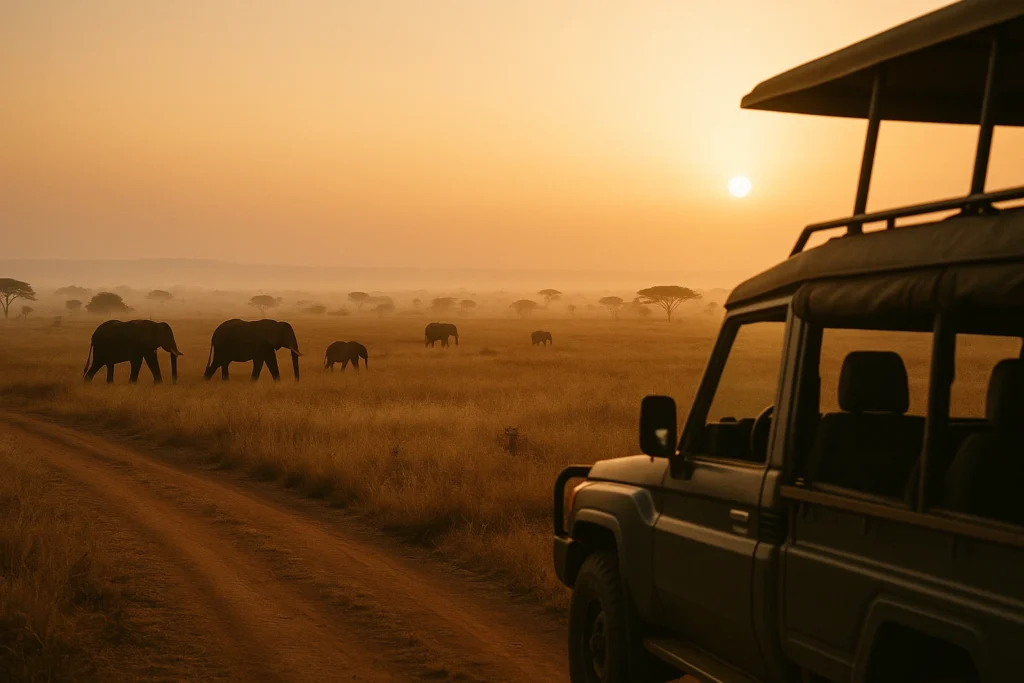
- Ethical safaris where wildlife controls the encounter and guides keep respectful distances.
- Birdwatching, hiking, guided nature walks, and time in national parks or reserves.
- Snorkelling or diving in protected marine areas with strong conservation rules.
- Visiting verified sanctuaries where there is no touching, no breeding for tourism, and no performing.
- Community-based conservation activities that benefit both people and wildlife.
- Cultural experiences like cooking classes, craft markets, historical tours, or city walks.
The magic of seeing a wild animal in its natural habitat beats any staged photo opportunity. Every single time.
Cruelty-Free Travel Shopping: Fashion, Souvenirs, and Beauty
Travel shopping can be tempting, but it’s also an area where animal exploitation is rampant.
It’s easy to pick up a pretty shell or leather bracelet without realising the wider impact.
Souvenirs I avoid
- Leather, fur, feathers, or exotic skins.
- Silk, ivory, coral, and shells taken from sensitive ecosystems.
- Taxidermy, animal teeth, bones, or any wildlife-derived product.
Not only are these products unethical—they’re also illegal or environmentally destructive in many parts of the world.
Cruelty-free beauty products
I pack my own toiletries to avoid surprises.
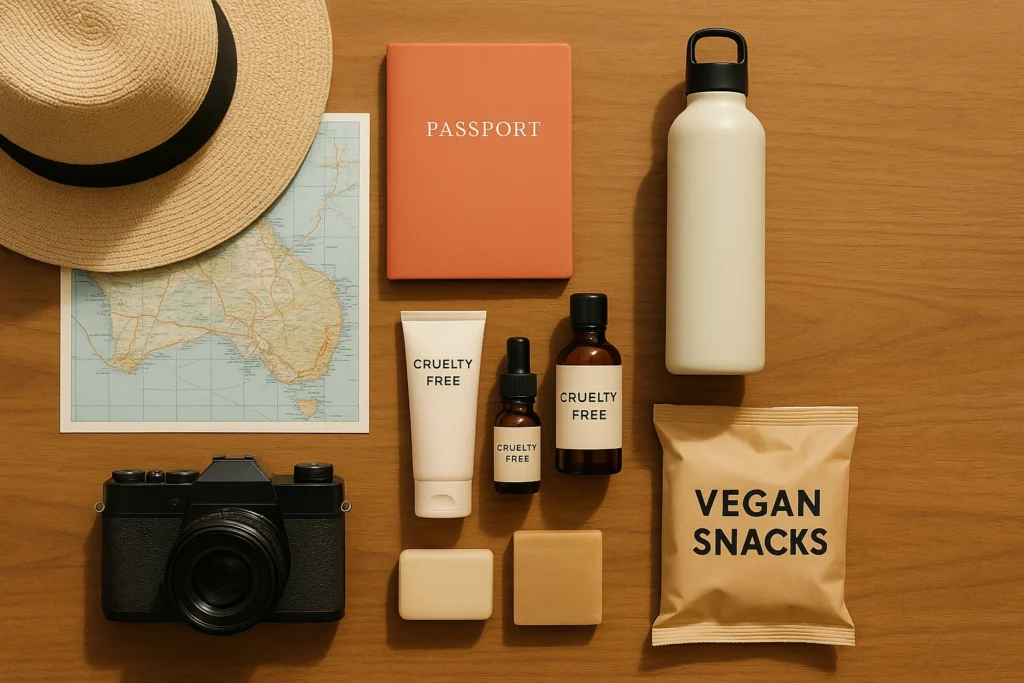
My must-haves are certified cruelty-free cosmetics, sunscreen, and skincare. I look for trusted cruelty-free logos and decant my favourites into travel-sized containers.
It’s easier, lighter, and completely aligned with my values.
My Sample Cruelty-Free Travel Itinerary
Here’s a simple cruelty-free travel template you can adapt to almost any destination:
- Day 1–2: Check into an ethical accommodation. Explore vegan restaurants and local markets. Get your bearings and settle in.
- And Day 3–4: Ethical wildlife viewing—think guided safari, whale watching with a responsible operator, snorkelling, or hikes in nature reserves.
- Day 5: Cultural day: museums, local artisans, sustainable craft markets, or community tours.
- And on Day 6: Relaxation: a vegan spa, yoga session, beach day, or nature retreat where animals remain undisturbed.
- Day 7: Conscious souvenir shopping, plant-based brunch, reflection, and departure.
If you love off-the-beaten-path experiences, pair this with my ideas for off beaten path vegan destinations to plan a truly unique, cruelty-free escape.
Overcoming Common Cruelty-Free Travel Challenges
Cruelty-free travel isn’t always the easiest path—but it is absolutely the most rewarding. Here are a few challenges I’ve faced and how I’ve handled them.
“There aren’t many options!”
In some places, it feels like the only tours or attractions involve animals. When that happens, I intentionally shift my focus to nature, culture, food, and wellness.
There is always something to explore that doesn’t rely on exploiting animals.
Travelling with people who don’t care about cruelty-free choices
Not everyone shares my values, and that’s okay. I gently share why cruelty-free travel matters to me, and I offer alternative ideas.
But ultimately, I stick to my choices—even if it means skipping certain activities or spending a few hours doing my own thing.
Travelling on a tight budget
Ethical doesn’t mean expensive. In fact, many of the best cruelty-free activities—like hiking, walking tours, swimming in the ocean, or exploring markets—are free or very affordable.
Cooking simple plant-based meals, staying in guesthouses, and using public transport all free up budget for truly meaningful experiences.
Feeling unsure about an attraction
If something feels off, I trust my intuition. If I’m not sure whether an activity is ethical, I’d rather skip it than regret it later.
There will always be another opportunity for joy that doesn’t come at an animal’s expense.
Becoming a Cruelty-Free Travel Ambassador
One of the most powerful things we can do is use our voice as travellers.
Every review, photo, and story can help normalise cruelty-free choices and shift demand away from harmful attractions.
Here’s how I amplify cruelty-free travel wherever I go:
- Leaving honest, detailed reviews about ethical or unethical practices I’ve seen.
- Asking questions when operators offer harmful animal encounters (even if I don’t book them).
- Sharing cruelty-free travel stories on social media and my blog.
- Supporting sanctuaries, conservation efforts, or community tourism with my time and money.
- Encouraging my audience and loved ones to travel more consciously.
Travel changes us—but cruelty-free travel also changes the world.
Cruelty-Free Travel FAQs
What does cruelty-free travel mean?
Cruelty-free travel means planning and experiencing trips in ways that avoid supporting animal exploitation, harm, or unethical captivity. It’s about choosing animal-friendly activities, accommodation, and products.
How can I tell if an attraction is unethical?
If there’s touching, riding, performing, or posing with wild animals, it’s a red flag. Loud music, chains, small enclosures, and animals forced into tricks are also clear signs of cruelty.
Are zoos and aquariums cruelty-free?
Most traditional zoos and aquariums prioritise entertainment over animal welfare. Ethical alternatives include accredited sanctuaries and rehabilitation centres that rescue animals and do not breed for tourism.
Can I travel cruelty-free if I’m not vegan?
Absolutely. You can still make compassionate choices that reduce harm—like avoiding animal attractions, choosing plant-based meals more often, and seeking out ethical experiences.
How do I find cruelty-free sanctuaries?
Look for organisations with clear welfare standards, no hands-on interactions, no breeding for tourism, limited visitor numbers, and transparent finances. Reviews from animal welfare groups can also help.
Is cruelty-free travel more expensive?
Not necessarily. Many cruelty-free activities—like nature walks, hikes, swimming, or exploring local markets—are low-cost or free. Often, the most expensive experiences are the exploitative ones.
Conclusion: Your Next Trip Can Be Joyful and Cruelty-Free
Cruelty-free travel isn’t about giving up the beauty of exploring the world—it’s about embracing a deeper, more fulfilling way of experiencing it. Every time I choose ethical over exploitative, I feel more connected to the places I visit and more aligned with my values.
You don’t need to be perfect. You just need to start. Choose one trip, one tour, one meal, or one activity to make cruelty-free—and build from there. You’ll be amazed how good it feels to travel with compassion and come home with stories you’re truly proud to share.
If you’re ready to take the next step, pair this cruelty-free travel guide with my resources on affordable, evidence-based plant-based eating so you can live your values both at home and on the road.
