

Introduction: Mastering Your Plant-Based Travel Budget
This is your guide on how to budget for plant-based travel.
The greatest myth in travel is that a plant-based diet automatically equals a premium price tag.
For many, travelling as a vegan means thinking of costly speciality restaurants and pricey imported foods.
With a good plan, budgeting for plant-based travel can cost less than traditional omnivore travel.
This guide is your roadmap to innovative, affordable, and delicious plant-based travel.
We’ll break the myth that vegan travel is costly. Here’s how to save using four key strategies:
- Strategic Pre-Trip Planning
- Accommodation Hacking
- Grocery Strategy
- Smart Dining Out
By the end, you’ll know how to fulfil your travel fantasies without going over budget. Sustainable, ethical, and tasty adventures can fit any budget!
Pre-Trip Planning: Strategic Budgeting for Plant-Based Travel
The foundation of a successful budget plant-based trip is laid long before you pack your suitcase.
Researching the Vegan-Friendliness Factor to Optimise Your Budget
The vegan-friendliness of your destination directly correlates with your potential savings.
In places like India and parts of Southeast Asia, plant-based foods are common. Vegan staples are easy to find and very affordable.
Try using apps like HappyCow. You can also search for “accidentally vegan dishes” to find local cuisine options.
Finding cheap, plant-based street food — like dal in India or pad see ew in Thailand — is key to saving money on your travels.
Selecting Cost-Effective Plant-Based Travel Destinations
Some destinations are cheaper for budget vegan travellers.
Countries like Vietnam, Thailand, Mexico, and Portugal have plenty of affordable, plant-based foods. You can find staples like rice, beans, lentils, fresh produce, and tofu at low prices.
On the other hand, keeping a high-protein, mock-meat-heavy vegan diet in Nordic countries or on remote islands will significantly raise your costs.
Focus on locations where rice, potatoes, corn, and legumes are cultural foundations.

By Fabricio Dionisio (https://www.pexels.com/@FabricioDionisio
Essential Vegan Travel Kit: Budget-Conscious Packing
Your packing list is a budgeting secret weapon for plant-based food. Bringing shelf-stable essentials helps you skip pricey emergency snacks and hotel breakfasts.
- Protein Powder or Bar: Essential for emergency protein or a quick, cheap breakfast.
- Instant Oats/Grains: Add water or cheap plant milk for an instant meal.
- Seasoning Packets: Bring a small container of nutritional yeast or your favourite seasoning. It will elevate plain rice and beans.
- Collapsible Bowl & Cutlery: Perfect for eating budget-friendly plant-based meals bought from local markets.
Accommodation Hacking: Finding Budget-Friendly Stays with Plant-Based Prep Power
Your choice of accommodation is likely the most significant factor in your food budget.
Prioritising Kitchen Access for Maximum Plant-Based Budget Savings
The #1 rule for saving money on plant-based travel is prioritising kitchen access. Book a hostel with a shared kitchen, an Airbnb with a kitchenette, or a budget stay that lets you cook. This can save you hundreds during a multi-week trip.
Budget Math: A single restaurant meal might cost $15–$25. The ingredients to cook three delicious plant-based meals can often cost the same amount. Over a 10-day trip, this simple choice saves you $150–$200.
Cook at least one meal each day. Aim for breakfast and dinner. Use affordable, local ingredients. This is non-negotiable for serious budget plant-based travel.
Utilising Mini-Fridges and Basic Amenities for Quick Vegan Snacks
Even if a full kitchen isn’t available, booking a room with a mini-fridge is highly valuable. This allows you to store:
- Fresh fruit and vegetables (carrots, hummus, apples).
- Pre-made dips or condiments.
- Simple tofu/tempeh pre-cooked for wraps.
These basic amenities help you keep a cheap, quick, vegan snack ready. This way, you won’t spend $5 on a packaged snack or airport coffee.
Grocery Strategy: The Core of Your Plant-Based Travel Budget
The grocery store (or market) is where you’ll realise the bulk of your savings. Mastering this section is the key to budgeting for plant-based food travel.
Shopping Local: Finding Affordable Plant-Based Staples
Forget the tourist supermarkets near your hotel; they exist to charge a premium. Instead, seek out:
- Local Farmer’s Markets: The cheapest, freshest seasonal produce.
- Ethnic Markets: These often carry staples like rice, dried beans, spices, and lentils at rock-bottom prices in bulk.
- Bulk Bins: Buy oats, rice, pasta, and nuts by weight to reduce waste and costs.
To budget successfully for a vegan diet, focus on whole, raw ingredients. Avoid pricey processed items like vegan cheese or fancy imported mock meats.
The Power of Bulk Buying and Staples for Budget Vegan Meals
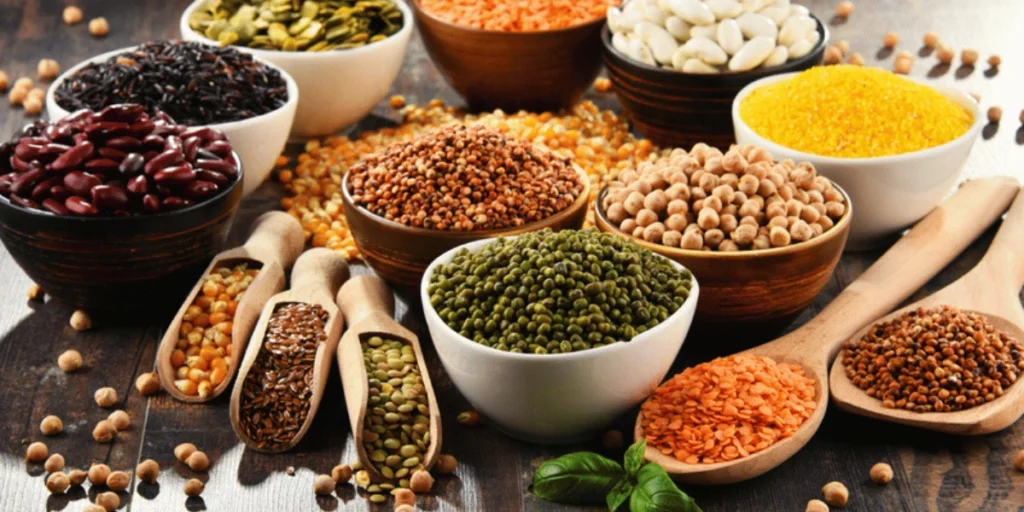
When planning your cheap plant-based travel food, think simple and filling. A few key ingredients can carry your meals for days:
| Cheap Plant-Based Staples | Why They Save Money |
| Dried or Canned Legumes (Beans, Lentils) | High protein, high fiber, extremely low cost. Excellent for simple stews or wraps. |
| Rice, Oats, and Pasta | High calorie, high satiety. They form the cheap base of virtually every meal. |
| Potatoes and Root Vegetables | Naturally cheap and filling across almost every culture. Excellent energy source. |
| Seasonal Produce | Buy only what’s locally in season for maximum savings and flavor. |
If you’ll be in one place for over a week, buy grains and legumes in bulk. The cost per unit drops significantly.
Mastering the Budget Vegan Snack Prep Game
The single most significant waste of money for any traveller is impulse snacking. Master the art of budget vegan snack prep:
- Homemade Trail Mix: Cheaper than store-bought; use bulk nuts and seeds.
- Energy Bites/Granola Bars: Make a big batch at the start of the week using oats, peanut butter, and dried fruit.
- Pre-cut Veggies: Carry carrots, cucumbers, or apples in a reusable container with a small container of homemade hummus.
This discipline is crucial for plant-based road trip budgeting and long travel days.
Couponing and End-of-Day Discounts for Plant-Based Groceries
Don’t overlook the “reduced” or “clearance” sections of local grocery stores.
You can often find great produce, vegan baked goods, or refrigerated items for half price. They may be close to their expiration date, but they’re still good!
If you plan to use it right away, this is a smart way to enjoy foods that might be too pricey for your plant-based travel budget.
Dining Out Smart: Minimising Restaurant Costs on a Plant-Based Budget
While cooking saves the most, eating out is a vital part of the travel experience. Here’s how to do it without wrecking your finances.
The Lunch Special Advantage: Budget-Friendly Plant-Based Dining
Lunch menus are universally cheaper than dinner menus, often offering the same food at half the price.
Leverage the lunch special advantage to enjoy a nice, seated restaurant meal.
Make lunch the highlight of your day. Then, enjoy a simple, inexpensive dinner at your place, like soup and bread or leftovers. This allows you to indulge without breaking the bank.
Seeking Out “Accidentally Vegan” and Ethnic Cuisine
The true secret to budget vegan street food is focusing on cuisines that naturally rely on plants and legumes:
- Indian: Dal, vegetable curries, chana masala (ensure ghee is omitted).
- Ethiopian: Misir Wot (lentils) and Shiro Wot (chickpea stew), often served with injera.
- Mexican: Bean tacos, rice, and guacamole (avoid lard/cheese).
- Middle Eastern: Falafel, hummus, tabbouleh, and pita bread.
These options are usually cheaper than going to modern vegan restaurants. Those places often target a higher-end crowd.
Communication and Customisation: Making Meals Plant-Based and Budget-Wise
Be polite, transparent, and proactive. Learn the key phrases in the local language: “No meat,” “no dairy,” and “no egg.” Use a printed Vegan Passport or an app to show the phrases to servers.
Don’t be afraid to customise simple dishes. Ordering plain pasta with tomato sauce (marinara) is usually cheaper and naturally vegan. Ask to substitute beans for meat in a burrito or ask for a simple vegetable stir-fry with rice. Simple requests mean a simple bill.
Splurge vs. Save: Strategically Allocating Your Dining Budget
Adopt the 80/20 Rule:
- 80% of Meals (Save): Home-cooked, street food, or simple market buys.
- 20% of Meals (Splurge): Enjoy sit-down restaurant experiences. Savour local culture and high-quality food.
Save on eight meals, and you can enjoy two without guilt. This keeps your plant-based budget balanced.
Money Matters: Financial Logistics for Plant-Based Travellers
Even small fees can quickly deplete your travel fund if you aren’t careful.
Handling Currency and Fees to Protect Your Food Budget
Hidden ATM fees and foreign transaction fees on credit cards take away money you could use for food.
Look into multi-currency debit cards, such as Revolut or Wise. They provide reasonable exchange rates and low withdrawal fees.
Plan your withdrawals in larger amounts, but less often. This cuts down on transaction costs. So, you keep more money in your plant-based travel fund.
Tracking Expenses: Keeping Your Plant-Based Budget on Track
Try a simple budget app, like Wallet or Trail Wallet, or use a basic spreadsheet to track your daily food spending.
Be honest.
Many travellers are surprised by how much they spend on “small” items. Things like water, coffee, and snacks can add up quickly.
Tracking shows when your budget goes off course. It also keeps your plant-based food spending in line with your goals.
FAQ: Essential Questions on Budgeting for Plant-Based Travel
Is it More Expensive to be a Vegan Traveller?
No. Buying speciality vegan items, like imported cheeses or processed meats, can be pricey. Eating whole plant foods like rice, beans, potatoes, and seasonal fruits and veggies can make a vegan diet less costly than a standard omnivore diet. This is especially true when eating out for non-vegan meals. Preparation is key to savings.
How Can I Travel on a Budget and Eat Vegan?
Plant-based road trip budget tips depend on a good cooler and a car charger for cooking tools. Pack staples like shelf-stable plant milk, large quantities of fruit, bread, peanut butter, oats, and cans of soup/beans. Skip service stations. Use a map to find nearby supermarkets just off the highway. They offer cheaper, fresher produce and basic meal ingredients.
What are the Best Countries for Budget-Conscious Plant-Based Food?
The best spots for budget vegan travellers are places with ancient farming cultures. These cultures often focus on grains and legumes. Top countries include:
- Vietnam/Thailand: Abundant, cheap, fresh produce and tofu; natural reliance on rice and noodles.
- India: Dal, legumes, and vegetables are the foundation of many regional cuisines.
- Mexico/Central America: Corn, beans, rice, and fresh vegetables are standard and inexpensive.
Conclusion: Your Sustainable and Affordable Plant-Based Adventure
Budgeting for plant-based travel isn’t about missing out. It’s about wise choices and using local resources to the fullest.
To save money, prioritise places with kitchen access. Cook at home more often instead of eating out. Shop at local markets for affordable staples like rice and beans.
Your affordable vegan travel adventure awaits.
Get ready to explore local flavours and show that ethical, sustainable travel can be for everyone.
