
Many people want to eat healthier, but they also want medical advice they can trust. That is why so many people ask the same question: what doctors say about a plant-based diet?
Today, more doctors are speaking openly about plant-based eating. Cardiologists, family doctors, and lifestyle medicine specialists often recommend it. However, they also give clear warnings and practical tips.
This guide shows what doctors really mean. It uses simple words, tangible evidence, and doctor-approved tips you can use now.
Quick Answer: What Doctors Say About a Plant-Based Diet
In short, most doctors agree that a well-planned plant-based diet can improve health. It can lower cholesterol, support blood sugar control, and reduce the risk of heart disease.
However, doctors also warn that not all plant-based diets are healthy. Even if you live on white bread, fries, and sugary vegan snacks, it can still harm your health.
Doctors say the best plant-based diet focuses on whole foods, enough protein, and key nutrients like vitamin B12. When done correctly, it can be safe and helpful for many people.
YouTube: Dr Matthew Lederman
What “Plant-Based Diet” Means in a Medical Setting
Plant-Based vs Vegan vs Vegetarian
Doctors often use the term “plant-based” differently from how it’s used on social media.
- Plant-based: Mostly foods from plants, with a focus on health.
- Vegan: No animal products for ethical or lifestyle reasons.
- Vegetarian: No meat, but may include eggs or dairy.
From a medical view, plant-based eating is about health outcomes, not labels.
Whole-Food Plant-Based vs Junk Food Vegan
Doctors make a clear distinction between:
- Whole foods: beans, lentils, vegetables, fruits, whole grains, nuts
- Ultra-processed foods: vegan burgers, sweets, chips, sugary drinks
Even if a food is vegan, doctors may still advise limiting it.
How Doctors Judge a Diet
Doctors look at:
- Blood tests (cholesterol, iron, B12)
- Energy levels
- Digestion
- Weight and blood pressure
In other words, results matter more than trends.
Why More Doctors Recommend Plant-Forward Eating
Heart Health
First, doctors strongly support plant-based diets for heart health. High-fibre foods help lower LDL cholesterol, also called “bad cholesterol.” They also enhance blood vessel function and lessen inflammation.
As a result, many cardiologists advise those with heart disease or high blood pressure to try plant-forward diets.
Type 2 Diabetes Support
Next, doctors see strong results for blood sugar control. Because plant-based diets are high in fibre, sugar absorption is slowed. This helps reduce insulin resistance.
Some doctors even see patients reduce diabetes medication under medical supervision.
Weight and Waistline
Also, plant foods are naturally lower in calorie density. This means people can eat larger portions while still losing weight.
Doctors often say this makes plant-based diets easier to stick to in the long term.
Cancer Prevention Patterns
Furthermore, doctors point out that plant-based diets are linked to lower cancer risk. Fibre feeds healthy gut bacteria and helps remove toxins from the body.
Reducing processed and red meat is another reason doctors support this approach.
Gut Health and Digestion
Doctors also talk more about gut health today. Plant-based diets feed the gut microbiome, which supports digestion, immunity, and even mood.
Energy and Recovery
Balanced meals can lead to more energy and quicker recovery. Many doctors see this, especially in active individuals.
What Doctors Worry About (And How to Fix It)
Vitamin B12
Doctors are very clear about this. Vitamin B12 must be supplemented on a plant-based diet.
Low B12 can cause fatigue, nerve damage, and memory problems. A simple weekly or daily supplement usually solves this.
Iron and Zinc
Plant iron is different from animal iron. Doctors advise eating iron-rich foods with vitamin C, such as beans with tomatoes or peppers.
Omega-3 Fats
Doctors explain that flaxseeds, chia seeds, and walnuts provide ALA omega-3s. Some people may also need algae-based EPA/DHA supplements.
Protein
Doctors say most people can get enough protein from plants if they eat enough:
- Beans
- Lentils
- Tofu
- Tempeh
- Whole grains
Protein deficiency is rare when calories are adequate.
Calcium and Vitamin D
Doctors recommend:
- Fortified plant milks
- Leafy greens
- Sun exposure or supplements if needed
Ultra-Processed Plant Foods
Doctors warn against relying on vegan junk food. These foods have the potential to increase inflammation, cholesterol, and blood sugar.
Who Should Talk to a Clinician First
Doctors strongly advise medical guidance for:
- Pregnant or breastfeeding women.
- Children and teenagers.
- People with diabetes or blood pressure medications.
- Those with kidney disease or eating disorders.
- Frail elderly adults
This ensures safety and proper nutrient intake.
Doctor-Approved Plant-Based Foods (And Easy Swaps)
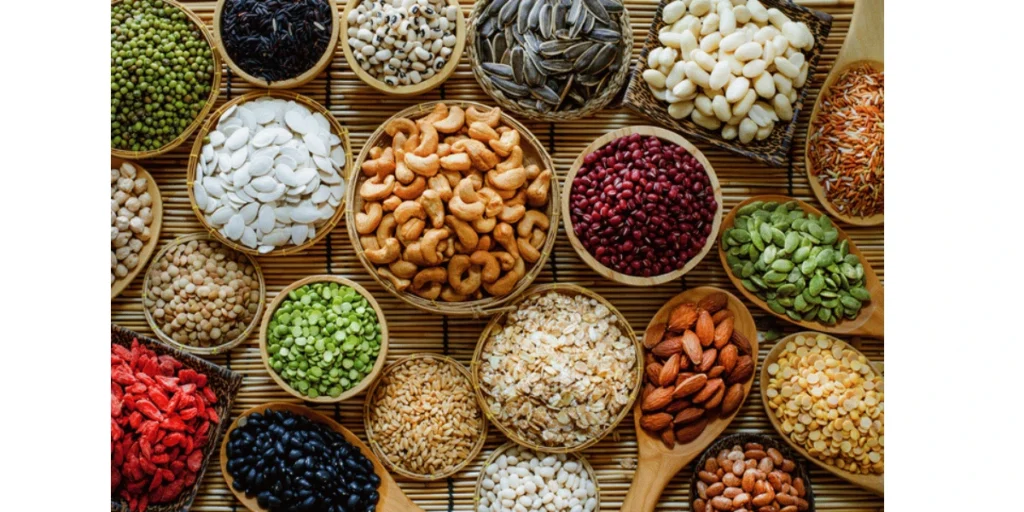
Base Foods Doctors Love
Doctors often recommend:
- Beans and lentils
- Vegetables (especially leafy greens)
- Fruits
- Whole grains
- Nuts and seeds
Simple Swaps
- Breakfast: Oats instead of sugary cereals.
- Lunch: Bean bowl instead of fried takeout.
- Dinner: Lentil stew instead of processed meats.
- Snacks: Fruit and nuts instead of sweets.
The Plate Method
Doctors suggest:
- ½ vegetables
- ¼ plant protein
- ¼ whole grains
- Small amount of healthy fat
How to Start a Plant-Based Diet the Safe Way
Start Slowly
Doctors say you do not need to change everything at once. Start with one or two plant-based meals per day.
Build Balanced Meals
Each meal should include:
- Protein
- Fibre
- Colour (vegetables)
- Healthy fats
Beginner Grocery List
Doctors recommend starting with:
- Dry beans and lentils
- Brown rice or maize meal
- Frozen vegetables
- Seasonal fruit
- Peanut butter or seeds
What to Track
For the first few weeks, notice:
- Energy
- Digestion
- Hunger
- Mood
When to Test Labs
Doctors may check:
- Vitamin B12
- Iron
- Cholesterol
- Blood sugar (HbA1c)
Sample 1-Day Plant-Based Menu Doctors Approve.
Breakfast: Oats with banana, peanut butter, and ground flaxseed
Lunch: Bean and vegetable bowl with brown rice
Dinner: Lentil stew with spinach and sweet potato
Snacks: Fruit, nuts, water, or herbal tea
How to Talk to Your Doctor About Plant-Based Eating
Say this: “I want to try a whole-food plant-based diet for health. Can we monitor my labs and medications together?”
This simple sentence invites support.
Common Myths Doctors Correct
“Plant-Based Means No Protein”
Doctors say plants provide plenty of protein when eaten in a variety of forms.
“Carbs Are Always Bad”
Doctors explain that whole-food carbs are different from sugar and refined flour.
“Vegan Food Is Always Healthy”
Doctors remind patients that vegan junk food still counts as junk food.
“You Must Be Perfect”
Doctors agree that progress matters more than perfection.
FAQ — What Doctors Say About Plant-Based Diets
Do doctors recommend plant-based diets?
Yes. Many doctors recommend plant-based eating for heart and metabolic health.
Is a plant-based diet safe long-term?
Yes, when well planned and supplemented with B12.
What do doctors say about plant-based diets for diabetes?
Doctors often see improved blood sugar control and insulin sensitivity.
Can you get enough protein?
Yes. Beans, lentils, soy foods, and grains provide enough protein.
What supplements do doctors recommend?
Vitamin B12 is essential. Others depend on individual needs.
Are plant-based foods good for cholesterol and blood pressure?
Yes. Doctors often see improvements within weeks.
Is it safe for kids or pregnant women?
It can be, but doctors recommend supervision.
What is the healthiest way to go plant-based?
Focus on whole foods, variety, and balance.
Final Takeaway
Doctors do not promote plant-based diets as a trend. They support them because of the results.
A plant-based diet can support long-term health, boost energy levels, and help prevent disease. This works best when it focuses on whole foods, is planned well, and is monitored by medical care.
The best advice from doctors is simple: eat real food, get enough nutrients, and work with your healthcare provider.
