

This is your ultimate guide to seamless plant-based travel in a global world.
Here’s what every plant-based traveller needs for a fun, stress-free trip:
- Pack smart snacks.
- Order wisely at restaurants.
- Navigate tricky areas.
Embrace the joy of your next plant-based vacation!
Introduction: Embracing the Plant-Based Travel Lifestyle
The Rise of the Plant-Based Traveller
Choosing a vegan or whole-food plant-based (WFPB) diet is a big commitment.
It offers excellent rewards for your health, energy, and conscience.
But when I book those flight tickets, a little anxiety kicks in: How will I eat healthy on the road?
The good news is that this struggle is rapidly becoming outdated.
The move to plant-based living isn’t just a slight trend. It’s a worldwide change. The travel industry, from fancy resorts to local street vendors, is starting to embrace it.
We are truly in the golden age of plant-based travel.
Why Plant-Based Travel Demands Preparation
Travelling offers many options now, but relying on luck can cause problems.
You might face language barriers or ingredient mix-ups. For example, some items may have hidden dairy or chicken stock.
Also, you could find yourself in an airport with only processed snacks.
Successful plant-based travel isn’t about hoping for the best; it’s about strategic preparation. Researching before your trip can turn challenges into great culinary opportunities. This way, your plant-based vacation stays fun and stress-free.
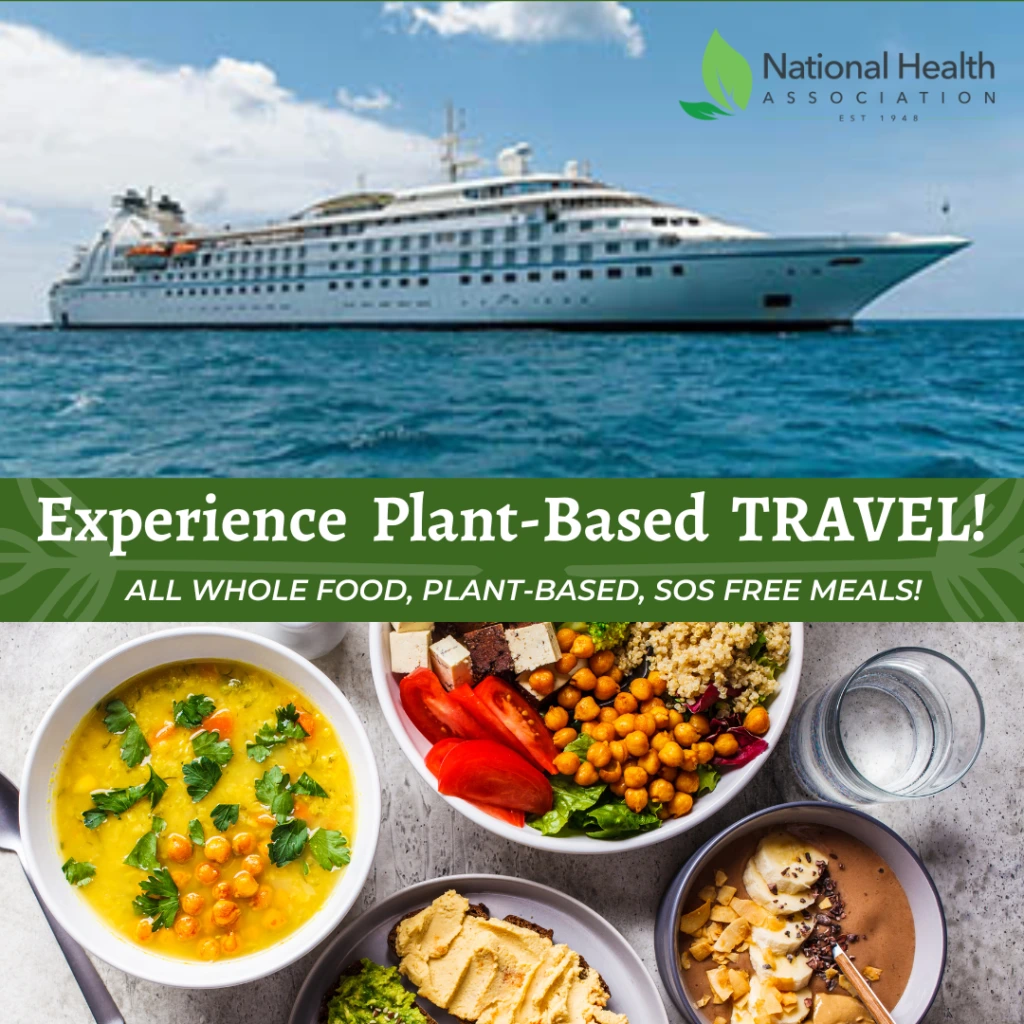
Source: veganlinked
What to Expect
This comprehensive, 2000-word guide is your definitive roadmap.
We will guide you in:
- Strategic destination planning.
- Building your ultimate travel toolkit.
- Mastering global dining hacks.
- Navigating scenarios like road trips and luxury retreats.
Plan a plant-based vacation where you thrive. Make your plant-based diet on the road not just manageable, but amazing.
Pre-Trip Preparation: Essential Steps for Plant-Based Travel Success
Strategic Destination Planning for Plant-Based Travellers
Your destination choice is the single most significant factor in your travel ease.
Start your planning by checking out places famous for traditional meals rich in vegetables, grains, and legumes:
- Choosing Vegan-Friendly Destinations: Think beyond popular spots like Berlin, London, and New York. Also, explore Asia and the Middle East for great vegan options.
- India is known for its rich vegetarian tradition. Thailand is famous for its coconut milk curries. Israel offers delicious hummus, falafel, and fresh salads. These are great destinations for plant-based travellers.
- Researching Plant-Based Accommodations: A kitchen is crucial for anyone following a WFPB diet. Choose Airbnb, short-term rentals, or serviced apartments with kitchenettes or full kitchens. Being able to prepare simple breakfasts and pack lunches saves money, time, and stress.
- Seeking Plant-Based Tours and Cooking Classes: Make the food the experience! Book experiences such as temple stays, farm tours, or vegan cooking classes. For example, learn to make a dairy-free Thai curry. These not only provide guaranteed meals but also offer a deeper cultural immersion.
Digital Tools: Your Plant-Based Travel Toolkit
Harnessing technology is non-negotiable for seamless plant-based travel:
- The HappyCow App: the holy grail. It’s a community-created map. It highlights vegan, vegetarian, and vegetarian-friendly restaurants, shops, and markets worldwide. Download the app and save your destinations offline before you leave.
- Translation Apps: Google Translate is invaluable. Its camera can quickly translate foreign menus or ingredient labels. This eliminates guesswork and helps you choose meals that meet your dietary needs.
- Mapping and Review Apps: Use Google Maps, Yelp, or TripAdvisor to cross-reference HappyCow options. Check for recent reviews and ensure the business is still open and serving quality food. A dedicated plant-based traveller often leaves reviews for others!
Language Prep: Key Phrases for the Plant-Based Traveller
Never assume staff understand “vegan.”
Be specific. Before you go, use Google Translate or a phrasebook to learn these essential phrases. Write them down on a card or save them as quick-access photos on your phone:
Essential Vegan Phrases: Learn to clearly say, “I am vegan,” “No meat,” “No dairy,” “No eggs,” “No fish,” and “No cheese.” Crucially, learn to communicate that you need food prepared without butter, lard, chicken/beef stock, or fish sauce.
Packing Plant-Based Food: Smart Snacks for Seamless Journeys
Your carry-on bag should function as your emergency pantry.
Pre-packed, reliable food gives you great peace of mind. It’s perfect for flight delays, long layovers, or rural travel days. This is crucial for successful plant-based travel.
Air, Train, and Road Plant-Based Travel Snacks
Focus on non-perishable, high-energy, and minimally processed options—perfect for the WFPB enthusiast:
- High-Protein Plant-Based Snacks:
- Vegan jerky (from mushrooms or soy).
- Roasted chickpeas.
- Whole-food protein bars (look for clean ingredients).
- A mix of almonds, walnuts, and pumpkin seeds.
- Nutrient-Dense Essentials: Bring small sachets of instant oatmeal (don’t forget your fruit!) and dried fruit like dates or apricots, along with travel containers of chia, flax, or hemp seeds. Use these to top off any fruit or salad.
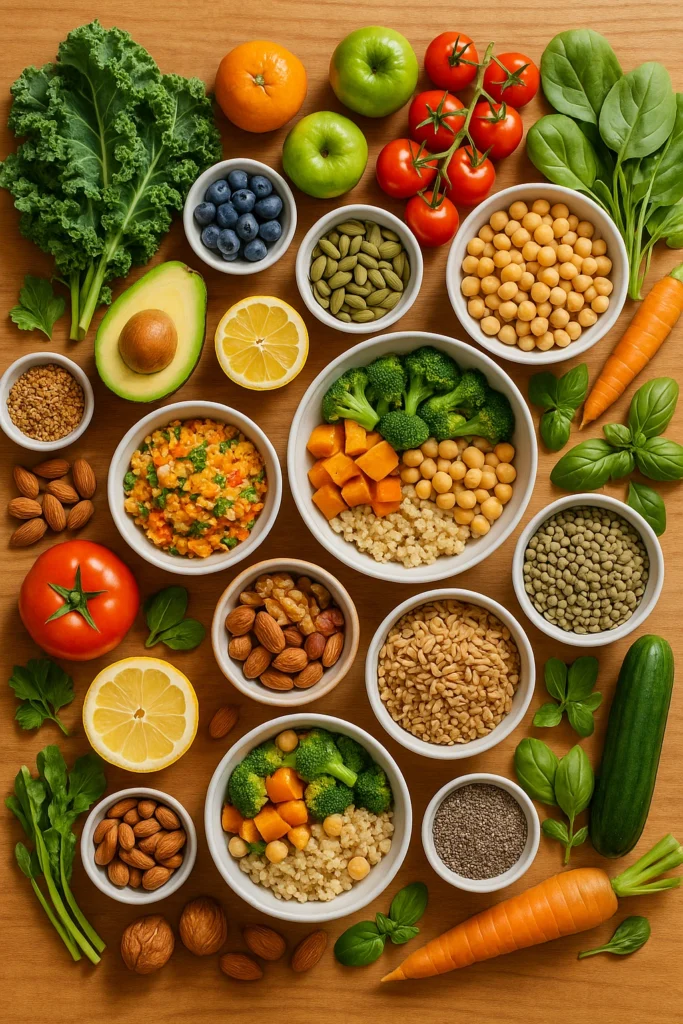
- Whole Food Plant-Based (WFPB) Options: For travel, choose sturdy fruits and veggies. Apples, oranges, baby carrots, and cherry tomatoes work well. Consider an insulated bag for longer excursions.
Packing Cookware and Essentials
For the committed plant-based traveller, these small additions can elevate your trip:
- A sturdy, reusable insulated bag or collapsible cooler. This keeps market produce fresh and stores leftovers.
- A small, lightweight electric kettle. Great for making instant oats, tea, or boiling water for quick noodles in any basic place.
- A small spice kit (salt, pepper, nutritional yeast, and perhaps a curry blend) to make basic meals pop.
- Don’t forget reusable cutlery and containers to reduce waste while enjoying your plant-based food.
Navigating Airport Security with Plant-Based Foods
Solid food is generally acceptable.
The liquid rule (100ml) applies to soft foods. This includes large jars of peanut butter, hummus, and yoghurts. All must be under the limit.
Pack things clearly and declare any significant quantities of seeds or nuts if asked.
Check customs rules if you travel internationally with fresh fruit or vegetables.
Plant-Based Dining Strategies While Travelling
Finding Naturally Plant-Based Cuisines
Stop looking for the “Vegan Restaurant” sign. Look for naturally vegan dishes instead.
This links you to authentic local food culture, which is essential for a fulfilling plant-based vacation:
- Indian Cuisine: A goldmine. Focus on dal (lentils), chana masala (chickpeas), and simple vegetable curries. Always ask for no ghee (butter) or cream.
- Middle Eastern Cuisine: Picture falafel (chickpea balls), hummus, tahini, tabbouleh (parsley salad), and mujadara (rice with lentils). These staples are naturally WFPB-friendly.
- Asian Cuisines (Thai, Vietnamese, Chinese): Go for rice, fresh vegetable stir-fries, and noodle dishes. The main obstacle is fish sauce or oyster sauce. Use your key phrases to request that food be made with soy sauce only and vegetable broth.
- Mediterranean/Italian: Many classic pasta dishes use oil and vegetables. Ask for Marinara or Aglio e Olio (garlic and oil). Pizza dough is usually vegan—load it up with vegetables and skip the cheese.
Mastering the Restaurant Order
Ordering is an art form that requires confidence, clarity, and respect. This is your chance to secure a delicious plant-based meal:
- Contact Ahead: For bookings, please send a polite email. Say, “I have a dairy and meat allergy/intolerance. I need a meal with grains and vegetables only.” This often secures a more serious, customised response.
- The Simple Adaptation Rule: Most restaurants can prepare a simple salad, steamed veggies, and plain rice or potatoes. If the menu seems too much, ask, “Can the chef prepare a big plate of mixed seasonal vegetables and a simple grain?”
- Be Specific and Clear: When you say “no dairy,” it means no butter, cheese, cream, or milk. Always check the cooking oil. Sometimes, you’ll find clarified butter (ghee) where you least expect it.
- Check for ‘Accidentally Vegan’ dishes. Find local foods that are naturally vegan. Examples are Gallo Pinto from Costa Rica and Papas Arrugadas from the Canary Islands.
Utilising Grocery Stores and Local Markets
This is often the most cost-effective and healthiest strategy for plant-based travel.
Check local supermarkets for essentials. Look for items like oats, rice, pasta, canned beans, and fresh produce.
Local farmers’ markets, called marchés or souks in some places, are great places to find seasonal, high-quality ingredients. They’re perfect for making simple, tasty plant-based dishes.
Even in less-friendly areas, you can still make a simple meal. Just grab some bread, fruit, vegetables, and a can of beans from a local shop.
Specialised Plant-Based Travel Scenarios
Plant-Based Road Trips and Camping
The road trip requires advanced meal preparation.
Prepare simple, non-perishable meals like rice-and-bean salad or quinoa wraps that last for a few days.
Utilise ice chests effectively.
If you’re staying in motels, a small portable slow cooker or rice cooker can help you make simple WFPB staples. You can easily prepare oatmeal, chilli, or lentil soup.
Know your reliable pit stops. Fast-casual chains usually offer customizable grain bowls or wraps.
For camping, pre-chopped vegetables and pre-cooked lentils are invaluable. Look for dehydrated meals that are vegan-friendly.
Luxury Plant-Based Travel and Resorts
If you’ve booked a high-end experience, the expectation for personalised service is high.
Before arrival, email the food and beverage manager, not just the reservation desk. Please confirm with the Executive Chef that they note your plant-based diet.
Also, ask if they can prepare specific, high-quality plant-based meals. Luxury plant-based travel is about curation; ensure they know exactly what you expect.
You might also book an all-vegan hotel or an eco-resort. These places offer menus that are both compliant and tasty.
Plant-Based Travel in Less Vegan-Friendly Regions
When you travel to remote places like rural Eastern Europe or isolated islands, a backup plan is key.
Flexibility is key.
Be ready to depend on your own snacks, local bread, jam, steamed veggies, and lots of rice or potatoes.
Don’t expect fancy substitutions. If the meal is slightly imperfect, accept it and move on—it’s part of the adventure of plant-based travel.
The Ethical and Sustainable Side of Plant-Based Travel
Minimising Environmental Impact
Choosing a plant-based diet on the road is the single most impactful choice you can make for sustainable tourism.
By selecting plant-based meals, you drastically reduce your travel-related carbon footprint.
This commitment makes your trip a choice for global citizenship and environmental care.
Supporting Local Plant-Based Businesses
Seek out and support local, independently-owned vegan cafes and shops.
This helps your spending support local economies. It also encourages more ethical and sustainable business practices in the community. Your choices directly shape the market.
Cultural Immersion through Plant-Based Food
Many cultures have long traditions of humble, vegetable-based cooking.
By focusing on these, you skip tourist traps. You enjoy the food locals have eaten for generations. This way, you experience true cultural immersion through simple, wholesome dishes.
You can find further reading on the impact of this choice in academic insights into the ethical and cultural influences of a plant-based diet on travel.
Frequently Asked Questions (FAQ) for Plant-Based Travellers
Q: What are the best countries for plant-based travel?
A: The top destinations now are India, Thailand, Israel, and Taiwan. They are famous for their rich, traditional cuisines that focus on pulses and vegetables. For cities, look at Berlin, London, Portland (USA), and Tel Aviv. Southeast Asia is generally very friendly to the plant-based traveller.
How do I survive long flights as a plant-based traveller?
1. Pre-order: Choose the “**vegan meal**” or “oriental vegetarian” option when you book your ticket. Do this at least 48 hours in advance.
2. Pack backups: Bring dense, high-protein snacks (nuts, seeds, bars) in case the meal is delayed or disappointing.
3. Hydrate: Carry an empty water bottle and fill it post-security.
Is it challenging to travel as a plant-based eater?
It’s simpler and more about focused preparation. Travel used to be tough, but it’s easier now. You need the right tools, like the HappyCow app for finding vegan restaurants, and the strategies mentioned above.
What is a plant-based vacation?
A plant-based vacation showcases fun activities, vegan-friendly places to stay, and great destinations. This way, your diet adds to your travel fun instead of limiting it. It’s about being an intentional plant-based traveller.
What are some good plant-based road trip snacks?
- Focus on simplicity and durability.
- Options include:
- Vegan jerky
- Popcorn
- Trail mix (nuts, seeds, dried fruit)
- Apples
- Carrots
- Bananas
- Small, sealed cans of beans or chickpeas for protein boosts.
What should I learn to say in the local language for plant-based travel?
The basic phrases are “no meat,” “no dairy,” and “no eggs.” Crucially, also learn the word for ‘vegetable oil’ versus ‘butter’ or ‘lard’.
Conclusion: Your Plant-Based Travel Adventure Awaits
Travelling as a plant-based eater is now a joy. It’s a great chance to discover the real, authentic flavours of the world.
Prepare, use digital tools, and stay open to adventure. This way, your diet can improve throughout your journey.
Your ultimate plant-based vacation awaits. Go forth, explore, and nourish your body and soul with the incredible abundance the world has to offer.
For more in-depth preparation tips and guides on maintaining a high-quality plant-based diet on the road, read 7 tips for travelling the world on a plant-based diet.
