
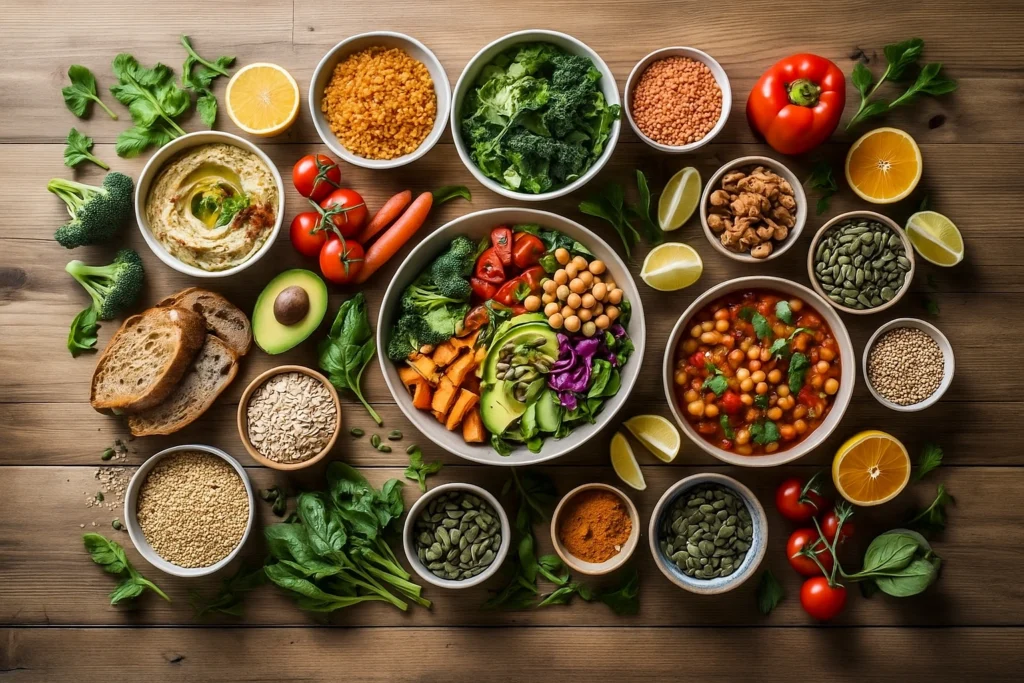
Direct Answer: Plant-based nutrition helps prevent diseases. It does this by boosting fibre and protective phytonutrients. Additionally, it reduces dietary components that increase the risk of chronic diseases and enhances metabolic indicators. Diet alone isn’t a cure, but research shows that eating whole plant foods can improve heart health and metabolism. These foods also help reduce inflammation and improve gut health.
How Diet Influences Disease Risk
Chronic diseases don’t appear overnight. They often come from long-term patterns.
These include diet quality, physical activity, sleep, stress, and genetics, all of which interact over time.
Nutrition matters because it influences:
- Blood pressure and blood lipids.
- Blood sugar regulation and insulin sensitivity.
- Systemic inflammation and oxidative stress.
- Gut microbiome diversity (which affects immunity and metabolism).
A diet high in refined carbs, saturated fat, and ultra-processed foods can lead to metabolic issues. When it’s built on whole plant foods, many risk markers move in a protective direction.
Can Diet Prevent Chronic Disease?
Diet can’t prevent issues for everyone, as genetics and environment matter. However, it can significantly reduce risk.
A practical way to think about it:
- Diet doesn’t replace medicine when medicine is necessary.
- Diet can reduce the probability of disease and support better outcomes.
For most people, prevention isn’t about one superfood.
It’s all about the pattern:
- Consistent fibre intake.
- Micronutrient intake.
- Lower harmful dietary exposure.
What the Evidence Says About Plant-Based Diets
When research uses the term “plant-based,” it usually means “plant-forward” diets. This doesn’t have to be 100% vegan.
Across large populations, these patterns are repeatedly associated with:
- lower cardiovascular disease risk
- healthier body weight and waist circumference
- improved cholesterol profiles
- better blood sugar control
- lower blood pressure
- Higher fibre intake and enhanced gut health markers.
The key is quality:
- Whole plant foods → protective
- Ultra-processed “plant-based” foods → mixed or harmful if they dominate.
Plant-Based Diets & Inflammation
Inflammation is a normal immune response. The problem is chronic low-grade inflammation, commonly linked to cardiometabolic disease.
Whole plant foods support an anti-inflammatory environment because they tend to be:
- high in fibre (supports gut integrity)
- rich in antioxidants and polyphenols
- lower in saturated fat (depending on food choices)
- lower in endotoxin-promoting ultra-processed patterns
A simple take: When you move from processed to whole meals, inflammation usually improves. This includes more vegetables, legumes, fruits, and whole grains.
Gut Health, Fibre, and Immunity (Why This Matters)
Your gut microbiome thrives on fibre and polyphenols — both abundant in plant foods.
When you increase:
- legumes
- whole grains
- vegetables (especially leafy greens)
- fruit
- nuts and seeds
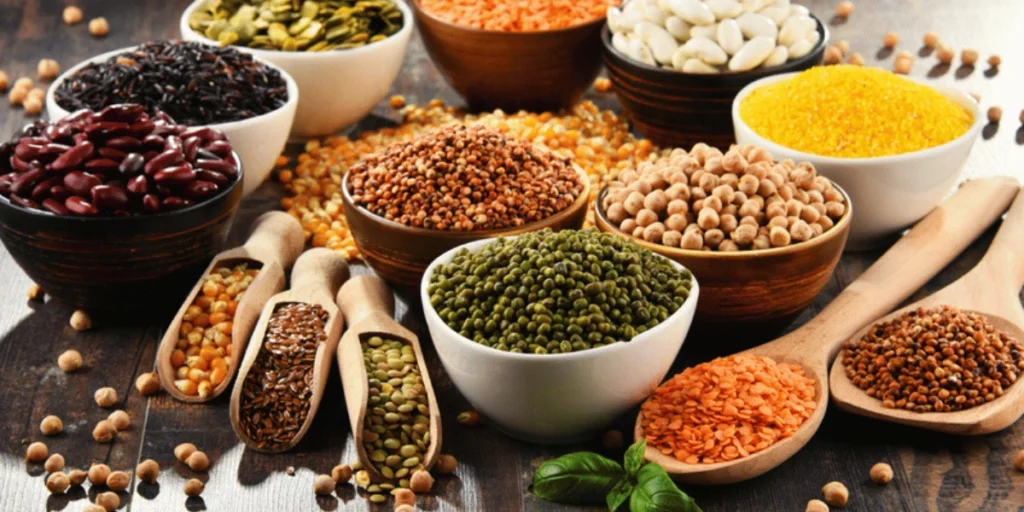
…you feed beneficial bacteria that produce compounds (like short-chain fatty acids) that support:
- gut lining integrity
- immune regulation
- metabolic health
- inflammation control
If you want a single “high-impact lever” for healing-supportive nutrition, it’s often fibre + food diversity.
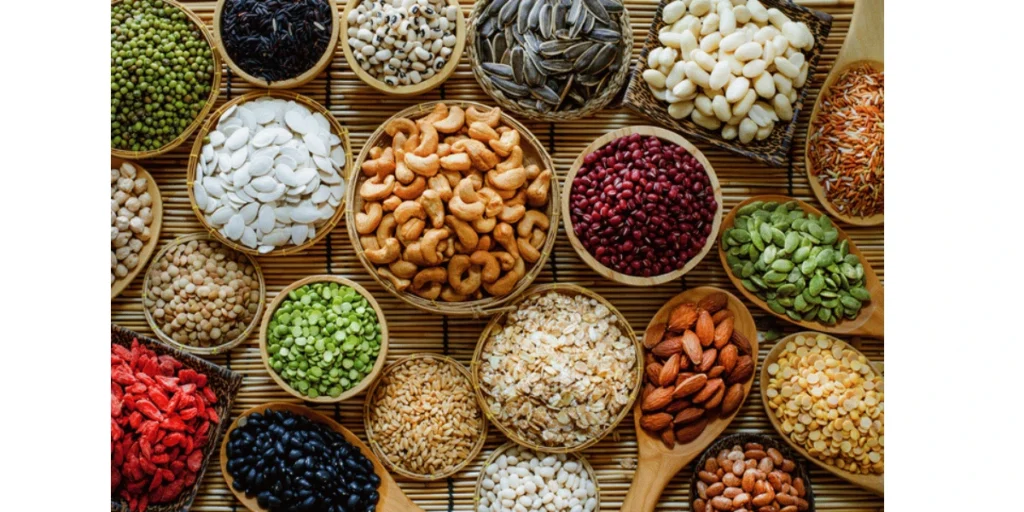
Plant Foods Linked to Risk Reduction
These are not “magic,” but they are consistently strong contributors:
1) Legumes (beans, lentils, peas)
Affordable, protein-rich, fibre-rich, and strongly associated with improved metabolic markers.
2) Whole grains
Oats, brown rice, sorghum, maize in less refined forms, millet—help improve fibre intake and satiety.
3) Vegetables (especially leafy greens)
High nutrient density per calorie, supportive of blood pressure and diet quality.
4) Fruit
Supports fibre, micronutrients, and polyphenols. Whole fruit > juice.
5) Nuts and seeds
Helpful fats and satiety—portion awareness matters, but they’re influential nutrient contributors.
What Plant-Based Nutrition Cannot Do
Plant-based nutrition:
- cannot guarantee the reversal of every condition
- cannot replace emergency or essential medical care
- will not overcome chronic sleep deprivation, unmanaged stress, or inactivity by itself.
- can be poorly executed (e.g., refined carbs + sugary drinks + minimal whole foods)
The win is a high-quality pattern, not a label.
Healing-Supportive Framework (Practical, Step-by-Step)
Here’s a simple framework you can follow (and teach):
Step 1: Build every plate around the fibre
Aim for two fibre-rich anchors per meal (e.g., legumes + vegetables).
Step 2: Choose “staple simplicity”
A healing-supportive budget plate:
- beans/lentils
- whole grain or starchy veg
- leafy greens / mixed veg
- a small portion of nuts/seeds
Step 3: Reduce ultra-processed “extras”
Replace:
- sugary drinks → water/unsweetened
- deep-fried foods → baked/steamed/grilled
- refined snacks → fruit/nuts/popcorn
Step 4: Add consistency before complexity
The body benefits more from a steady routine than from occasional “perfect” meals.
African Context: Healing With Foods People Already Know
Examples of affordable, accessible plant staples :
- beans, lentils, cowpeas
- maize meal in sensible portions with legumes + greens
- leafy greens (including traditional greens)
- onions, tomatoes, carrots, cabbage
- seasonal fruit
- peanuts/peanut butter (ingredient-aware)
The goal isn’t imported perfection. It’s local consistency and nutrient density.
Medical & Lifestyle Disclaimer
This content is educational and does not replace medical advice. If you have a diagnosed condition, are on medication, or have symptoms that worry you, talk to a qualified healthcare professional.
FAQs
Can a plant-based diet help prevent disease?
A plant-forward diet is linked to better heart health and reduced risk of chronic illnesses.
Can plant-based nutrition support healing?
It can help heal by improving diet quality, fibre intake, and metabolic markers. It also balances inflammation. However, results vary by person and condition.
Do I need supplements? Vitamin B12 is commonly recommended. Other supplements depend on intake, labs, and professional guidance.
Is plant-based eating expensive? Not necessarily. Focusing on legumes, grains, seasonal vegetables, and traditional staples can be one of the best ways to save money.
Written by Zama Zincume, a plant-based wellness educator and author. He focuses on disease prevention, affordable nutrition, and African food systems.
