Here’s your guide on how to use african medicinal herbs to support immunity.
When I began exploring natural health, one thing caught my attention: South Africa has many indigenous herbs that have been used for centuries.
I learned to incorporate these herbs into my daily routine through teas, decoctions, and infusions. They’re not magic cures, but they support my immunity and vitality.
In this post, I’ll walk you step-by-step through:
- Why using medicinal herbs can make sense (when done wisely).
- Key African herbs with promising immune effects.
- How to prepare and dose them safely.
- Ideas for integrating them into meals & routines.
- Safety Cautions, Interactions, and Responsible Use.
- FAQs & further reading.
Let’s lean into our botanical heritage and empower our bodies with wisdom.
Why Consider Medicinal Herbs for Immunity?
Herbal medicine isn’t new.
In Africa, healers have used local plants for years. They help the body during infections, inflammation, and the the recovery process process.
Source: Siddharth Harbhai
Modern science is catching up. Researchers are looking into the immunomodulatory, antioxidant, and anti-inflammatory properties of various species. PMC+2PMC+2
“Immunomodulation” refers to the ability to regulate immune function. It can either boost a weak response or calm excessive inflammation.
Many herbs don’t just boost immunity. Instead, they help adjust cytokine levels, reduce oxidative stress, and influence cellular signalling. PMC+1
In Africa, traditional medicine is deeply woven into daily health practices. Many communities regard herbs as accessible, affordable, and grounded in local ecology. ScienceDirect+1
Important note: Herbs support health but do not replace vaccination, good nutrition, rest, or medical care. Use with humility, respect, and caution (especially with chronic disease, pregnancy, or medications).
Key African Medicinal Herbs to Support Immunity
Below are several herbs native (or widely used) in Africa with evidence or traditional backing for immune support.
Use them wisely. Start small. Watch how your body reacts. Always check for contraindications.
| Herb / Plant | Traditional Use / Region | Active Constituents / Effects | How It May Help Immunity |
|---|---|---|---|
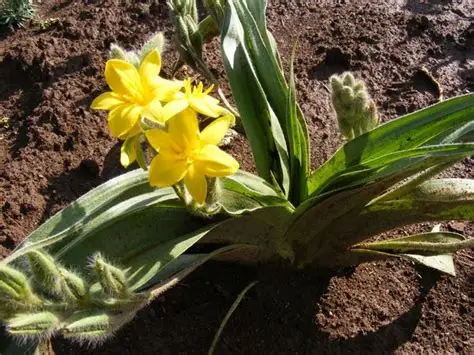
| African Potato (Hypoxis hemerocallidea) | South Africa | β-sitosterols, rooperol | Commonly used as an immune stimulant; safe in healthy people. (BioMed Central) |
| Pelargonium sidoides | South Africa (& global research) | Polyphenols, coumarins | Known for respiratory support and immune activity. (NutraIngredients.com) |
| PHELA (herbal tonic blend) | South Africa | Combination: Clerodendrum glabrum, Rotheca myricoides, etc. | In observational use among HIV positive patients, showed improved appetite, CD4 counts. (Nature) |
| Warburgia salutaris (Pepper-bark tree) | Southern/Eastern Africa | Iridoids, volatile oils | Used traditionally for respiratory complaints and inflammation. (Wikipedia) |
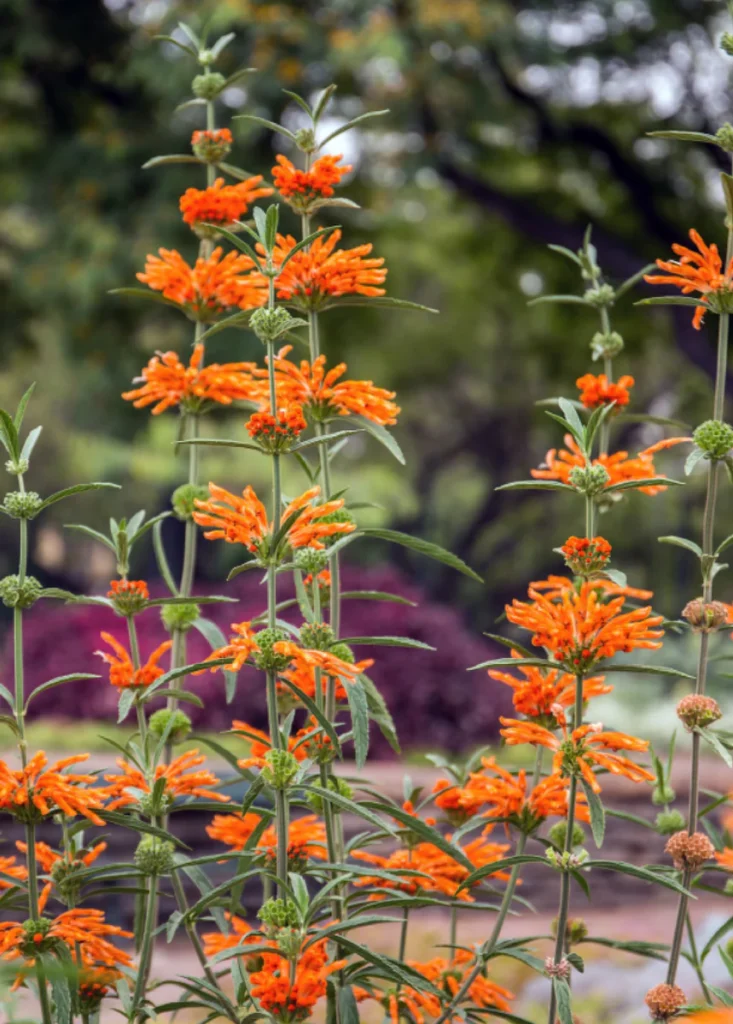
| Leonotis leonurus (Wild dagga / Lion’s ear) | South Africa | Labdane diterpenes, marrubin | Used traditionally for cough and fever, lab extracts show promising antimicrobial action. (Wikipedia) |
| Tetradenia riparia (Incense bush) | Southern Africa | Essential oils, compounds with antimicrobial potential | Used traditionally for cough, fever; lab extracts show promising antimicrobial action. (Wikipedia) |
Spotlight: African Potato & Its Use
African Potato is among the best studied in South African herbal medicine.
It’s often used to “boost immunity,” especially for those living with HIV/AIDS. BioMed Central.
Some formulations include 20g shredded root in 250 mL water, boiled 20 min. Its constituents (rooperol, sterols) suggest antioxidant and immunomodulatory potential. BioMed Central
Still, clinical trials are limited.
Most healthy people tolerate it well. Check interactions with some drugs, like those for HIV, cancer, or immunosuppressants. BioMed Central
Emerging Science: Leaf Extracts & Anti-Inflammatory Action
A 2024 study looked at leaf extracts from eight southern African medicinal plants. It found that these extracts have anti-inflammatory activity in vitro. Another study examined the impact of traditional extracts on immune response and cytokine levels associated with inflammation. ScienceDirect
Although promising, most studies are based on lab / cell models. They provide direction, not a prescription.
How to Prepare & Use African Herbs Safely
Forms You Can Use
- Decoction: Boiling harder roots, bark in water
- Infusion: Steeping leaves or softer parts in hot water.
- Tincture/alcohol extract: For concentration (use sparingly).
- Powder/capsules: If powdered and well-standardised.
- Herbal teas/blends: Combining herbs with flavours.
Suggested Methods & Dosages (Traditional / Practical)
| Herb | Method | Approx Dose / Ratio | Notes |
|---|---|---|---|
| African Potato | Decoction | ~20 g fresh root in 250 mL water, boiled 20 min (traditional) (BioMed Central) | 1 tsp dried root in a cup of hot water |
| Pelargonium sidoides | Infusion | Combine with ginger and lemon for flavor & synergy | Used in cough / respiratory protocols |
| Herbal tonic blends (e.g. PHELA) | Decoction or brew | Traditional formula | Use in supervised settings; complex blends need care |
| Leonotis / Tetradenia | Infusion / tea | 1–2 teaspoons dried leaf per cup | Infusion/tea |
General guidelines:
- Start with a small dose (½ dose) for 3–5 days and observe.
- Use for short cycles (e.g. 2–4 weeks), then rest.
- Combine with vitamin C foods, adequate sleep, and stress management.
- Always label and store herbs in a cool, dry, and dark place.
Integrating Medicinal Herbs into Everyday Meals
You don’t need to drink bitter decoctions exclusively.
Here are ways to bring herbs into daily life:
- Herbal tea ritual: Add a pinch of dried Leonotis or Pelargonium root to your morning tea blend.
- Savoury soups/stews: Use African Potato or Tetradenia (if mild) in root-steamed soups.
- Herbal broth base: Use the leaves of immune-boosting herbs (e.g., Leonotis) as part of a vegetable stock.
- Infused oils/dressings: Steep herbs in warm oil, strain, and use as finishing oil.
- Ginger + herb combos: Mix your herb with ginger, turmeric, and lemon in hot water as a wellness tonic extra.
These integrations help your body absorb compounds more slowly. They support immunity without stressing your digestive system.
Safety, Interactions & Responsible Use
Herbs are powerful biochemicals — they deserve respect and caution.
Key precautions:
- Drug Interactions: Herbs can interact with medications such as antiretrovirals, blood thinners, and chemotherapy agents. So, always check with a pharmacist or herbalist before mixing them.
- Use with caution during pregnancy, breastfeeding, and in children. There is limited data, so it’s best to avoid or use a lower dose.
- Quality & sourcing: Use clean, contaminant-free herbs. Avoid adulterated or unverified mixtures.
- Allergies & toxicity: Some herbs may irritate or have toxic compounds at high doses. Always start low and monitor.
- Herbs can aid in maintaining health, but they aren’t a substitute for the basics. You still need vaccination, good nutrition, rest, hygiene, and medical care.
FAQs About African Herbal Immunity Support
Are these herbs “immune boosters”?
Not exactly. They support balance, modulate inflammation, and support resilience rather than indiscriminately “boost.”
How soon will I see effects?
Herbs act gradually. Over 2–4 weeks, you may notice improved recovery, energy, and a lower frequency of colds.
Can I take multiple herbs together?
Yes, if you understand their interactions. Start with one herb, then combine cautiously in simple blends.
Should I use them during active illness or only for prevention?
Many herbs are used in two ways: carefully during illness and more often as preventive tonics.
What scientific evidence exists?
Much comes from lab or animal studies. Some traditional uses are valued in human contexts, but there are few rigorous clinical trials. Taylor & Francis+2MDPI+2
Recommended External Links & Further Reading
- Traditional Medicines in Africa: An Appraisal of Ten Potent Medicinal Plants — overview of African medicinal plant species with therapeutic value. PMC
- Systematic Review: Chemical Compounds with Immunomodulatory Effects from African Plants — catalogues compounds & mechanisms. PMC
- Immunomodulatory and Cytotoxicity Properties of Selected South African Plants — lab results of southern African herbs. ScienceDirect
- African Potato (Hypoxis hemerocallidea): A Systematic Review — deeper dive on this frequently used herb. BioMed Central
- Traditional African Medicinal Plants for a Strong Immune System (Taylor & Francis chapter) — synthesis of traditional + scientific use. Taylor & Francis
- Immune System & Epidemics: The Role of African Herbal Remedies — study on how traditional remedies contributed to community resilience. MDPI
