Introduction: Living a Healthy Plant-Based Life in Africa
Here’s your guide to how to eat plant-based on a budget in Africa.
Eating a plant-based diet is becoming very popular across Africa.
More people are picking this lifestyle. They want to improve their health, save money, and help the environment.
There is a common myth that being vegan is expensive or only for people in wealthy countries.
However, this is not true!
In fact, traditional African diets have always relied heavily on plants.
In this guide, we will show you how to eat plant-based on a budget in Africa.
We will explore the best low-cost vegan staples available at your local market. You will also learn simple meal prep tricks to save time and energy.
No matter if you’re in Lagos, Nairobi, or Cape Town, these tips will help you eat healthy without breaking the bank.
We will cover everything from the best grains to the most affordable leafy greens.
Let’s enter the world of budget-friendly, plant-based eating!
Why Choose a Low-Cost Plant-Based Diet in Africa?
Choosing a plant-based diet in Africa offers many benefits.
First, it is excellent for your health.
Eating more plants can reduce the risk of heart disease, type 2 diabetes, and high blood pressure. These are health issues that many people face today. By eating fibre-rich beans and fresh vegetables, you give your body the fuel it needs to stay strong.
Second, there are huge economic advantages.
The costly items on a grocery list are frequently meat and dairy. When you swap beef or chicken for lentils or beans, you can save a lot of money.
Recent studies show that whole-food plant-based diets are cheaper. They can be up to 40% cheaper than meat-heavy diets.
Finally, eating plants is better for the environment.
It takes a lot of land and water to raise animals for sustenance. In many parts of Africa, water is a precious resource.
By choosing local plant foods, you are helping to save water and reduce pollution. It is a win-win for your body and the planet.
You don’t need fancy “vegan” products to transition to this lifestyle. It simply means eating the healthy, natural foods our ancestors enjoyed.
Essential Low-Cost Vegan Staples Found Across Africa
To eat well on a budget, you need to know which foods give you the most “bang for your buck.”
Here are the top low-cost vegan staples:
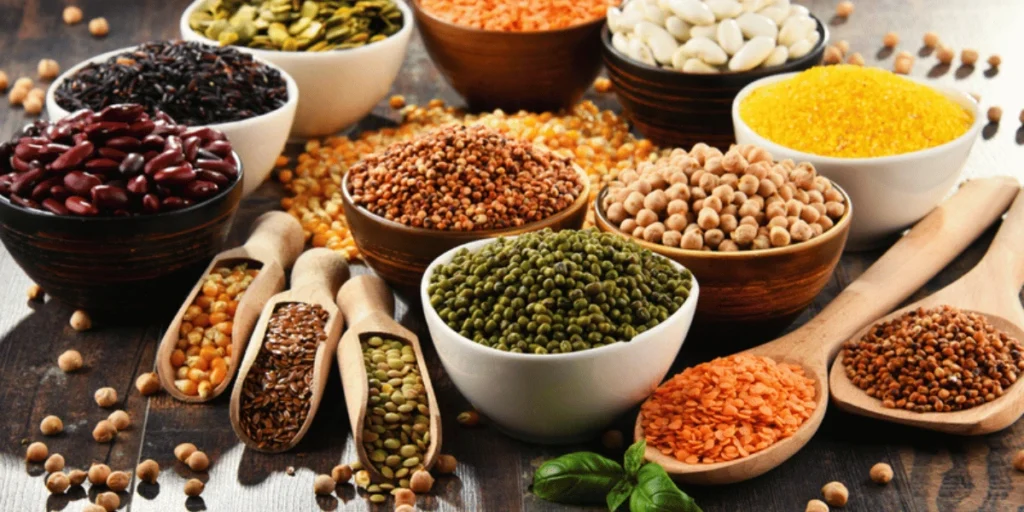
- The Power of Legumes: Beans are the “gold mine” of a vegan diet. Dried beans, such as black-eyed peas, brown beans, and sugar beans, as well as lentils, are very cheap. They are packed with protein and fibre, which keep you feeling full for a long time.
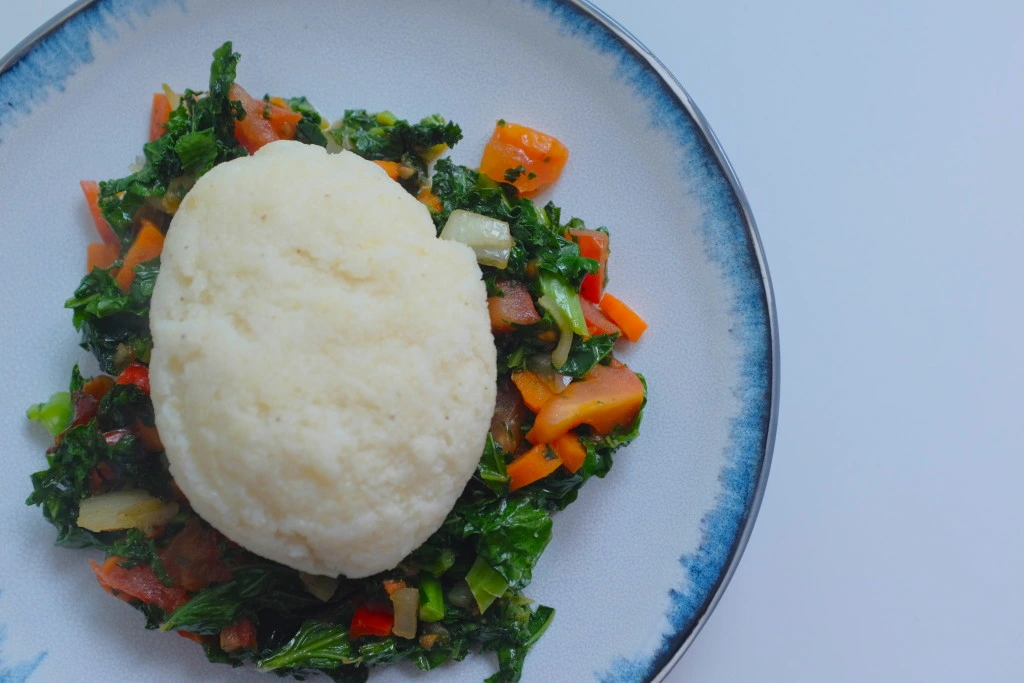
- African Grains and Starches: Grains are the foundation of most African meals. Maize meal (known as pap, ugali, or fufu) is incredibly affordable. Other great options include sorghum, millet, and brown rice. These provide the energy you need for a busy day.
- Nutritious Root Vegetables: Sweet potatoes, yams, and cassava are budget-friendly superstars. They are filling and contain important vitamins. You can boil, roast, or mash them into many different dishes.
- Leafy Greens and Local Produce: Never underestimate the power of local greens! Spinach, kale, and pumpkin leaves, known as moroho or chigovane, are rich in iron and calcium. Cabbage is another excellent, low-cost vegetable that keeps well in the fridge.
Build your meals around these four groups.
This way, you get all your nutrients without breaking the bank.
These items are available in almost every local market across the continent.
Smart Money-Saving Tips for Your Plant-Based African Kitchen
Saving money requires a bit of strategy.
Here are some simple hacks:
- Buy in Bulk: Buying small bags of rice or beans every few days is expensive. If you can, buy 5kg or 10kg bags. The price per kilogram is much lower when you buy in bulk.
- Shop Seasonally: Fruits and vegetables are cheapest when they are in season. For example, buy mangoes and tomatoes when they are in season and in abundance. If you try to buy them out of season, you will pay twice as much.
- Visit Local Markets: Supermarkets often charge more for packaging and convenience. Local “informal” markets and street vendors sell fresher produce. They also have better prices. You can also haggle for a better deal!
- Avoid Processed “Fake Meats”: Don’t buy expensive vegan burgers. Also, skip sausages in the frozen aisle. These expensive foods are processed. Stick to “whole foods” like beans and mushrooms for your protein instead.
Easy Meal Prep Tips for a Budget-Friendly Vegan Week
The key to keeping on course is meal preparation.
It saves you from buying expensive snacks when you are hungry.
- The Batch Cooking Method: Dedicate one afternoon (like Sunday) to cooking. Make a huge pot of bean stew or lentil curry. You can eat this throughout the week or freeze portions for later.
- Soak Your Beans: Dried beans are cheaper than canned ones. Soak them overnight to reduce cooking time. This also saves money on electricity or gas.
- Use Proper Storage: Store your grains and beans in airtight containers to keep bugs out. This prevents food waste, which is like throwing money away.
- Repurpose Leftovers: If you have leftover rice, turn it into a stir-fry with some cabbage the next day. This keeps your meals interesting without needing new ingredients.
Traditional African Recipes That Are Naturally Plant-Based
Many of our favourite traditional dishes are already vegan! Here are a few to try:
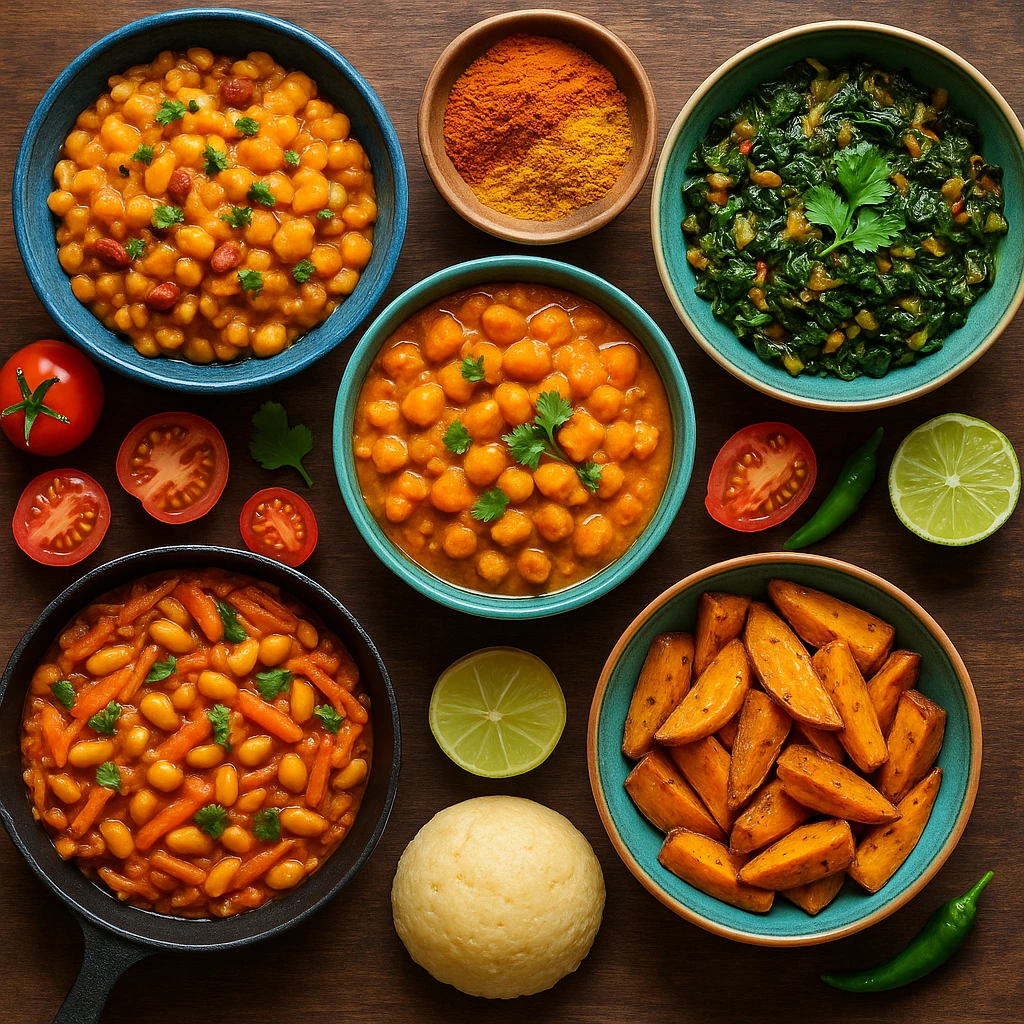
- West Africa: Jollof Rice is a classic. Just skip the meat and use plenty of tomatoes, onions, and peppers. Akara (fried bean cakes) is a delicious, high-protein breakfast or snack.
- East Africa: Githeri is a simple, filling Kenyan dish made from maize and beans. In Ethiopia, Misir Wot is a spicy red lentil stew. It’s served with Injera, a flatbread. This dish is naturally plant-based.
- Southern Africa: Chakalaka is a spicy relish. It’s made with carrots, peppers, and beans. It is perfect when served with a big portion of Pap. Umfino is another great dish made of maize meal mixed with chopped pumpkin leaves or spinach.
These recipes prove that you don’t need meat to have a flavorful, traditional meal.
FAQ: Common Questions About Plant-Based Eating in Africa
Is it hard to get enough protein?
No! Beans, lentils, nuts, and even grains like sorghum are rich in protein. As long as you eat enough calories from various sources, you will be fine.
Is it culturally okay?
Yes. Meat is common at celebrations, but many everyday meals in Africa focus on plants.
Do I need expensive supplements?
Most nutrients come from food. However, it is a good idea to take a Vitamin B12 supplement, as this is the one thing plants don’t provide.
How do I make it taste good?
Use plenty of local spices! Garlic, ginger, chilli, and curry powder are inexpensive. They add great flavour to beans and veggies.
Conclusion: Your Journey to Affordable Plant-Based Living
Eating plant-based on a budget in Africa is not only possible; it is a smart way to live.
You can save money. You can also boost your health. Focus on local staples. Shop at markets. Prep your meals.
Start by swapping one meat meal a week for a bean-based one. Soon, you will see how easy and delicious this lifestyle can be. Both your body and your wallet will appreciate it!
