
Introduction
Here’s your faith-based guide to holistic living in 2026. It focuses on biblical principles for health & wellness.
Did you know the Bible mentions “body” over 180 times?
That’s significant!
Our Creator designed us with purpose, and Scripture is full of wisdom on caring for the temple He gave us.
I’ve spent years learning how ancient wisdom can transform our perspective on health and wellness. We’ve overlooked some powerful principles.
In today’s world of mixed health advice and fleeting wellness trends, it’s refreshing to return to biblical basics.
These aren’t just rules; they’re truths that impact our health, mind, emotions, and spirit.
Science is only beginning to catch up.
The Bible offers helpful guidance on managing chronic stress. It also guides those looking for better nutrition and wellness journeys that honour God.
Let’s examine these key principles that have guided believers for thousands of years.
Understanding Your Body as God’s Temple
Have you ever honestly stopped to consider what it means when Scripture refers to your body as a temple?
It’s more than just poetic. It’s a profound truth that can change our view on health!
In 1 Corinthians 6:19-20, Paul reminds us that our bodies are temples of the Holy Spirit, and we were bought with a price. That price? The precious blood of Jesus Christ.
This concept of stewardship is crucial.
God didn’t just create us and walk away; He entrusted us with the care of these physical vessels. When we ignore our health, eat poorly, skip rest, or mistreat our bodies, we mismanage what belongs to Him.

https://www.pexels.com/Tembela Bohle
But here’s the beautiful part: caring for your body isn’t vanity—it’s worship! Every healthy meal, every good night’s sleep, every walk you take can be an act of gratitude to your Creator.
Many Christians believe that spirituality is primarily about the soul. But God cares for the whole person.
Your physical health affects how well you serve, love, think, and fulfil your purpose.
When you’re exhausted, nutritionally depleted, or ill, your spiritual effectiveness suffers as well.
Jesus Himself took time to rest, eat, and care for His physical needs. If the Son of God prioritised physical wellness, shouldn’t we?
Biblical Nutrition Principles: Eating According to Scripture
Let’s go back to the very beginning—literally!
In Genesis, God’s initial dietary plan for humans was straightforward: eat plants, fruits, seeds, and herbs. It wasn’t until after the flood that God expanded the menu to include meat.
This plant-forward approach isn’t just old news; it’s a growing trend.
Diets high in whole, plant-based foods may help people live longer and lower their risk of disease, according to research.
The Levitical dietary laws in the Old Testament are often misunderstood. However, they hold hidden wisdom in those ancient rules.
Foods called “unclean” can pose real health risks.
Pork and shellfish can have parasites and bacteria if not handled properly.
Christians aren’t bound by these laws today, but they demonstrate God’s care for the well-being of His people.
Daniel’s story gives us another powerful example.
He picked vegetables and water instead of the king’s rich foods. As a result, he and his friends became healthier and stronger than everyone else!
The idea isn’t just about being vegetarian. It’s about picking whole, unprocessed foods instead of rich, empty choices.
Throughout Scripture, we see an emphasis on moderation, gratitude before meals, and self-control.
Proverbs 23:20-21 warns against gluttony, reminding us that how we eat matters.
Biblical foods, such as honey, olive oil, fish, whole grains, and figs, were not only readily available but also considered healthy. These foods helped sustain God’s people for centuries!
The Sabbath Principle: Rest as a Wellness Practice
God didn’t suggest rest—He commanded it!
The fourth commandment isn’t just a suggestion. It’s as crucial as not committing murder or theft.
Why?
God knew something we’re just starting to understand: humans need regular rest to perform well. Our bodies weren’t designed for the non-stop hustle culture we’ve created.
The Sabbath principle extends beyond simply getting enough sleep (though that’s crucial!). It’s about finding a balance between work and rest, activity and renewal, productivity and reflection.
Modern science supports what Scripture has long stated: chronic stress and burnout damage health. They can cause heart disease, weaken your immune system, harm your mental health, and even shorten your life.
When we avoid rest, we say we’re stronger than our limits. We act like we don’t need God’s design. We put our productivity above our well-being. That’s pride, plain and simple!
Jesus invites us to come to Him and find rest. This isn’t just physical rest; it’s a profound peace for our souls that goes beyond our circumstances (Matthew 11:28-30).
Implementing Sabbath in 2026 may differ from ancient Israel, but the core principle stays the same.
Set aside one day a week to unplug from work, enjoy your relationships, worship God, and let your body recover.
Your health, family, and relationship with God will all improve with this divine rhythm!
Movement and Physical Activity in Biblical Context
Here’s something most people miss: biblical figures were incredibly physically active!
They didn’t have cars, elevators, or DoorDash.
Walking was the primary means of transportation. People often walked over 20 miles each day.
Farmers, shepherds, fishermen, and carpenters all engaged in demanding physical labour daily. They build their lifestyle into the movement our bodies desperately need.
Paul compares physical and spiritual training in 1 Timothy 4:8, stating that physical training is helpful, but spiritual training is even more critical.
Notice he doesn’t dismiss physical fitness—he affirms it!
The discipline required for physical training mirrors the discipline needed for spiritual growth. Both require consistency, intentionality, and pushing through discomfort.
Our modern sedentary lifestyle is fundamentally at odds with God’s design.
We were created to move, work, and use our bodies actively.
Regular exercise helps lower depression and anxiety. It boosts brain function, strengthens the heart, and may even help you live longer. These aren’t just nice side effects—they enable us to serve God and others more effectively!
Walking holds special significance throughout Scripture. Jesus walked constantly during His earthly ministry.
Abraham, Moses, and the disciples all walked extensively.
Walking offers spiritual benefits. It allows time for prayer, reflection, and listening to God.
See exercise not as a chore. Think of it as stewardship. It’s a way to care for the temple God gave you. This helps you run your race with endurance!
Mental and Emotional Wellness Through Scripture
Anxiety, depression, and emotional struggles are not new.
They appear throughout Scripture. David battled deep depression. Elijah experienced suicidal thoughts. Jonah struggled with anger.
God doesn’t condemn these men for their struggles. Instead, He meets them with compassion and offers truth to anchor their souls.
Philippians 4:6-7 offers a potent remedy for anxiety: don’t worry about anything. Instead, in every situation, pray and give thanks. Share your needs with God. The result? Peace that transcends understanding.
This isn’t just positive thinking or denial. It’s about choosing to share our burdens with the One who can truly carry them. Replaying worries in our minds instead of giving them to God only tortures us.
Romans 12:2 calls us to renew our minds, and 2 Corinthians 10:5 instructs us to take every thought captive. This is active mental health work!
We can’t control every thought that enters our minds. But we can pick which ones to focus on and develop. Replace lies with truth. Counter negative spirals with Scripture. Speak life over yourself the way God speaks life over you.
The Bible also emphasises community for emotional wellness.
We’re designed for connection!
Confessing our struggles and encouraging each other helps our mental health. As Galatians 6:2 says, we should bear one another’s burdens. This support is what we truly need.
Isolation is toxic, while authentic fellowship brings healing and perspective.
Spiritual Practices That Enhance Wellness
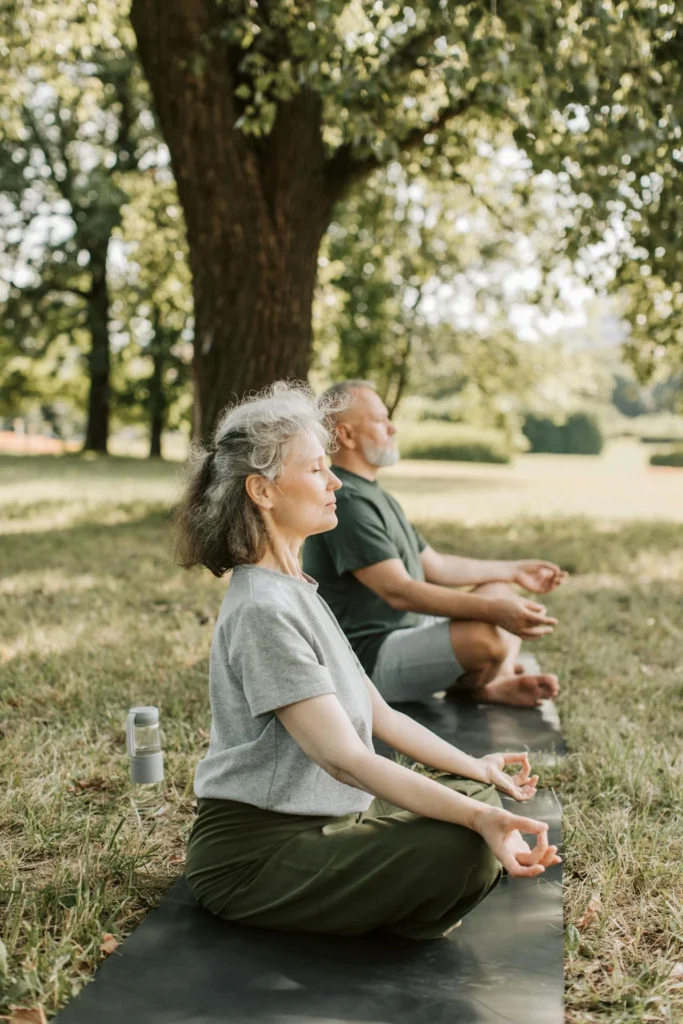
Prayer isn’t just chatting with an unseen God—it’s a proven way to boost wellness!
Regular prayer can lower blood pressure. It also reduces stress hormones, boosts immune health, and increases life satisfaction.

https://www.pexels.com/Tima Miroshnichenko
When we pray, we’re not just meeting a religious duty. We’re also connecting to a divine source of peace and strength. This connection can truly change how our bodies work.
Biblical meditation differs significantly from Eastern mindfulness practices. Instead of emptying our minds, we fill them with God’s Word.
Psalm 1 describes the blessed person who meditates on God’s law day and night.
Saturating our thoughts with Scripture helps us reshape our minds. It fills us with truth, hope, and a divine view. This isn’t just spiritually beneficial—it’s mentally and emotionally healing!
Fasting is popular again in health circles. Intermittent fasting and longer fasts offer significant benefits. They aid in cellular repair, enhance mental clarity, and support metabolic health. But fasting has always been a biblical practice!
Jesus fasted, and the early church did too. Scripture links fasting to spiritual breakthroughs and physical renewal.
Worship and singing release endorphins, reduce cortisol, and create genuine joy. The Psalms repeatedly call us to sing, shout, and celebrate before the Lord. This isn’t just for God’s enjoyment—it’s for our healing!
Worship helps us move our focus from our problems to God’s greatness. This change in perspective is truly healing.
Community and Relationships: The Biblical Path to Social Wellness
God looked at Adam in a perfect paradise and said, “It is not good for man to be alone.” Think about that!
Even in a perfect setting with God, people still needed each other. We’re hardwired for community, and isolation is absolutely devastating to our health. Studies show that loneliness is as harmful as smoking 15 cigarettes daily!
The New Testament has many “one another” commands:
- Love one another
- Serve one another
- Bear one another’s burdens
- Confess to one another
- Encourage one another
Biblical community isn’t just knowing someone. It’s a deep, honest, and sometimes messy bond. Here, we are truly known and loved despite our flaws.
Galatians 6:2 instructs us to bear one another’s burdens. We are not meant to face life’s challenges alone.
Healthy boundaries are also biblical!
Jesus often withdrew from crowds to rest and pray. He said no to demands on His time when necessary.
Proverbs speaks extensively about choosing friends wisely and avoiding toxic relationships. Loving others doesn’t mean absorbing their dysfunction or allowing abuse.
The practice of confession and accountability, though uncomfortable, is incredibly healing.
James 5:16 links confessing sins to each other with healing. This means not just spiritual healing, but also restoration. When we hide in shame, we suffer.
When we share our struggles in a safe and supportive community, we find freedom, support, and genuine change.
The church body isn’t just an extra part of faith—it’s vital for our wellness!
Avoiding Harmful Substances: Biblical Wisdom on What We Consume
Scripture is crystal clear about maintaining sobriety and self-control.
Proverbs 23:29-35 illustrates the severe consequences of drunkenness. Ephesians 5:18 tells believers to avoid getting drunk on wine.
The principle isn’t about altogether avoiding alcohol (Jesus turned water into wine!). Instead, it’s about staying in control and avoiding anything that dominates us.
Here’s a strong message from 1 Corinthians 6:12: “I can do anything, but not all things help me.” Everything is permissible for me, but I will not be mastered by anything.” Paul’s concern isn’t just moral purity—it’s freedom!
Addiction, whether to alcohol, drugs, nicotine, or even sugar and caffeine, enslaves us. It contradicts the freedom Christ died to give us.
Self-control is a fruit of the Spirit, as mentioned in Galatians 5:23. This means that God helps believers grow in this area.
Struggling with substance abuse or compulsive habits isn’t just about willpower. It’s a spiritual battle. The good news? God’s Spirit empowers us to overcome!
This principle goes beyond obvious substances.
It includes everything we eat. This means processed foods with chemicals, too much caffeine, and anything that harms our bodies, which God gave us.
I’m not advocating for legalistic perfection, but rather thoughtful stewardship. Ask yourself: Does this substance serve my body well, or am I serving it? Are my consumption habits honouring God and supporting my health, or undermining both?
Healing and Faith: Understanding God’s Role in Our Health & Wellness Journey
The Gospels overflow with healing stories. Jesus healed the blind, the lame, the leprous, and the demon-possessed.
These accounts demonstrate God’s compassionate heart for human suffering and His sovereignty over illness. We also see godly people, like Paul, with his “thorn in the flesh,” who faced ongoing health issues. So how do we reconcile God’s healing power with continued illness?
We should avoid the harmful idea that all sickness means a lack of faith or hidden sin. Job’s friends made this mistake, and God rebuked them for it!
Sometimes sickness happens because we live in a fallen world with broken bodies. Romans 8:28 promises that God works all things—including illness—for the good of those who love Him.
James 5:14-15 instructs believers who are sick to ask their church elders for prayer and anointing with oil. It promises that faith-filled prayer will heal the sick.
This isn’t magic or a promise of instant healing, but it’s a biblical practice we should not overlook! Prayer absolutely matters. God does heal. Miracles still happen.
At the same time, seeking medical care isn’t a lack of faith—it’s wisdom! Luke was a physician, and Paul advised Timothy to take wine for his stomach issues. God often works through doctors, medicine, and treatment.
Trust God’s sovereignty, but also take practical health steps. Strike a balance between faith and wisdom for optimal results.
Implementing Biblical Health Principles in Modern Life
Knowledge without application changes nothing, so let’s get practical!
Start your day with Scripture and prayer before checking your phone. This single habit sets a foundation of peace instead of reactivity.
Prepare nutritious meals mindfully, giving thanks to God for His provision. Get moving! Walk while you pray, join a church sports league, or play actively with your kids.
Schedule an actual Sabbath day weekly. Turn off work emails, avoid chores, and focus on worship, rest, and relationships. Meal prep on another day so you’re not cooking all day Sunday.
Guard this time fiercely. It’s not just self-care; it’s following God’s command and the key to your well-being.
Here’s a necessary caution: don’t make health an idol!
You can get so focused on perfect eating, sleeping, and fitness that they replace God as your primary focus.
Balance is key.
We steward our bodies faithfully without worshipping them. Our health metrics or physical appearance don’t determine our worth.
Involve your family in these practices. Pray together before meals. Take evening walks as a family.
Discuss Scripture over breakfast. Create a home culture that values rest, nourishment, movement, and spiritual growth.
Give yourself grace when you stumble. You’re aiming for progress, not perfection.
God’s mercies are fresh each morning. His grace helps you make lasting changes that honour Him and bring you blessings!
Conclusion:
Living by biblical health principles isn’t about strict rules or perfection; it’s about embracing a balanced approach to wellness. It’s about caring for the precious gift of life God gave us! The Bible offers a beautiful blend of physical care, mental renewal, emotional healing, and spiritual strength.
These aren’t separate parts of our lives. God cares deeply about the connected aspects of our whole selves.
As you begin implementing these principles, remember that transformation takes time and effort.
Start small. Commit to a weekly Sabbath rest. Begin your morning with Scripture and prayer. Or make one healthy dietary change this week.
The goal isn’t to be overwhelmed by rules. Instead, it’s about finding freedom and growing by aligning your life with God’s design. Your body truly is a temple—treat it with the honour, respect, and care it deserves!
Ready to take the next step?
Choose one biblical health principle from this guide. Commit to practising it for the next 30 days.
Share your journey with a friend or accountability partner. Watch how God transforms your physical health and your whole life.

One Response