
By Zama Zincume · Wellness Educator & Founder, EatingPlantBasedZA
Quick answer: Eating plant-based food in Durban is cheap. In fact, it’s often less expensive than eating meat. To improve your diet, stop following imported “wellness” trends. Focus on local foods in Durban shops. Use maize meal, samp, dried beans, lentils, split peas, soya mince, and sorghum. Add seasonal veggies like morogo, amadumbe, and cabbage. This is the Staple-First Method, and it can feed a family of four for a fraction of the cost of a meat-based grocery bill.
If you’ve ever felt that plant-based eating is just for the wealthy in a Durban supermarket, this guide is for you.
Let us bust that myth with real 2025/2026 shelf prices and a method you can start using on your very next shop.
Why do people think plant-based eating is expensive in South Africa
The belief that plant-based food is elitist comes from looking at the wrong shelf.
South Africans often picture “going plant-based” as the imported aisle. They think about almond milk, oat milk, vegan cheese, and tofu.
They also consider plant-based burgers, protein powders, and superfoods.
Those products are genuinely pricey.
To put it in perspective, a 500g bag of quinoa retails for around R135 — over R270 a kilogram. No ordinary household can build a weekly menu on that.
Here’s the secret wellness influencers won’t share: you don’t need those products. You can eat plant-based foods without them. It’s that simple.
They are luxuries, not staples.
The most affordable and filling foods in any Durban shop are plant-based. These include maize meal, samp, beans, lentils, rice, potatoes, cabbage, and bananas. They’re also nutrient-dense. South Africans have eaten this way for generations and called it “ordinary food,” not a diet.
The expense, in other words, is optional.
Stop shopping like a Californian. Shop like a Durbanite. Then, prices drop.
What is the Staple-First Method?
The Staple-First Method helps you plan cheap plant-based meals. It swaps the usual Western plate order.
A meat-based meal starts with protein. You pick chicken or beef first. Then, add a starch and a vegetable to round it out.
The protein is the priciest part, so the entire meal relies on your most costly ingredient.
Staple-first flips this. You build the meal in this order:
- Staple first — a cheap, dense, filling base (maize meal, samp, rice, potatoes, sorghum, bread).
- Legume second is an affordable plant protein. It’s often cooked with the staple food. Examples include sugar beans, lentils, split peas, cowpeas, and soya mince.
- Vegetables third — whatever is seasonal and cheap (cabbage, morogo, butternut, onions, tomatoes, spinach).
- Accents last — small amounts of oil, spice, peanut butter or fresh herbs for flavour.
The two largest parts of the plate are also the cheapest ingredients. This drops the cost per serving to often just single-digit rands per plate.
You eat well, you eat full, and you eat for less.
The cheapest plant-based proteins in Durban (with real prices)
Protein is the first question everyone asks, so let us answer it with numbers.
Here is how affordable plant proteins compare to meat at current Durban prices.
| Food | Typical price | Notes |
|---|---|---|
| Maize meal (10kg) | ~R130–R145 | About R13–R14.50 per kg — the cheapest energy in the shop |
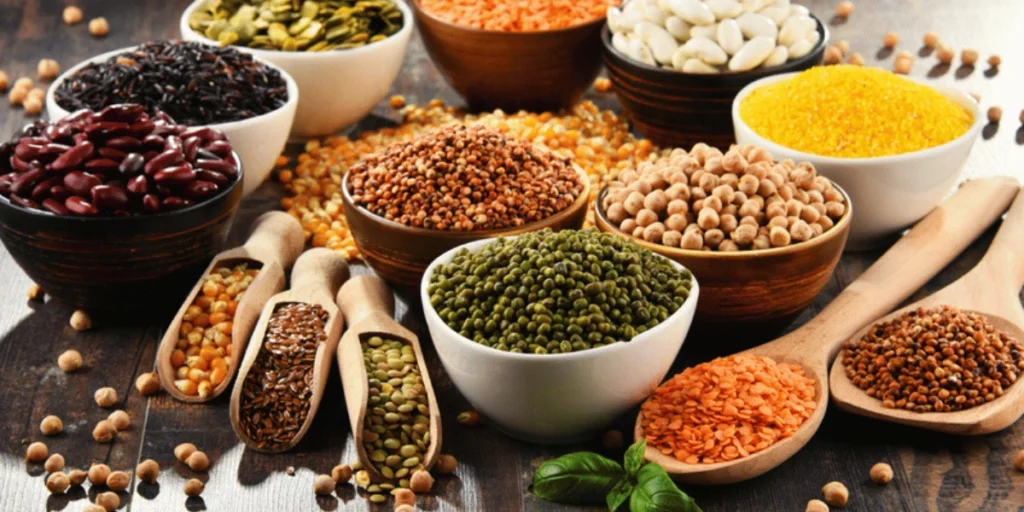
| Dried sugar beans (500g) | ~R35 | Swells to ~1.2kg cooked; loose at markets is cheaper still |
| Brown lentils (500g) | ~R33 | Cooks fast, no soaking for split/red lentils |
| Split peas (500g) | ~R20–R25 | Perfect for thick, filling soups |
| Soya mince (400g) | ~R35 | Loose soya from Durban spice shops is cheaper per kg |
| Samp & beans (400g) | ~R22 | A complete, traditional protein-and-starch meal |
| Beef (retail cuts) | ~R130–R220 per kg | For comparison, several times the cost per meal |
The contrast is the whole point.
A single kilogram of beef can cost more than a 10kg bag of maize meal that will feed a household for a week or more.
A R35 bag of dried sugar beans nearly doubles in weight when cooked. It can easily provide two or three family meals. Good luck doing that with R35 of meat!
Even the meat industry has noticed the shift.
In 2025, retail data showed that red meat prices rose. South African shoppers switched to chicken and plant-based proteins. They also chose smaller portions to stick to their budgets.
Staple-first eating takes our survival instinct and turns it into a healthy choice.
A note on “complete” protein: You don’t need to create perfect amino acid profiles at each meal. Eating a balanced mix of legumes, maize, samp, rice, and vegetables helps your body. It provides essential nutrients throughout the day.
The classic Durban plate of samp and beans is a nearly complete protein. Grandmothers knew about nutrition long before it had a name.
Where to buy cheap plant-based food in Durban
Durban is likely the best city in South Africa for budget plant-based shopping. It has great fresh markets. Plus, it boasts a strong Indian-spice tradition with legumes and vegetables. Here is where smart shoppers go:
Warwick Junction & the Early Morning Market
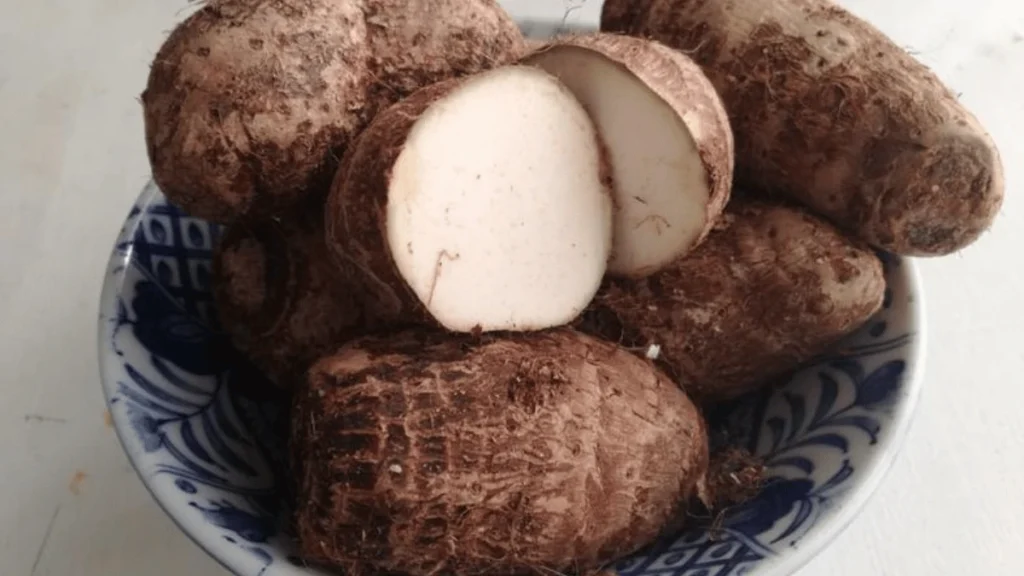
This is the engine room of affordable Durban produce. You can buy morogo (wild greens), amadumbe (taro), cabbage, butternut, spinach, and bananas. They cost much less than at supermarkets. Farmers and traders sell them directly. Buying loose and in season is the single biggest lever on your veg budget.
The Spice Emporium and Indian grocery shops.
Durban’s spice houses have lentils, dried beans, split peas, and chickpeas. They also sell loose soya mince by weight. They are often cheaper per kilogram than branded supermarket packets. Plus, they have a much wider selection. This is where you stock your protein pantry.
Boxer, Shoprite, USave and Checkers.
For bulk staples, like 10kg maize meal, samp, rice, oats, and dried beans, big chains are the best. Their value formats offer great deals. Buy the largest bag you can store; the per-kilogram price always drops as the pack size rises.
Spaza shops, for top-ups only.
Convenient, but you pay a premium for small quantities. Use them for emergencies, not your main shop.
The rule of thumb: markets for vegetables, spice shops for legumes, big stores for bulk staples. Spread across those three, your trolley transforms.
A week of budget plant-based meals (Durban edition)
Here is what the Staple-First Method looks like on an actual weekly menu.
Every meal starts with staples. It uses the ingredients listed above and keeps the per-serving cost low.
Breakfast (every day): Maize-meal porridge or oats, topped with banana and a spoonful of peanut butter. Cost: a few rand per bowl.
Lunches:
- Samp and sugar beans with a side of cabbage
- Lentil and vegetable curry over rice
- Leftover bean stew with bread or pap
Dinners:
- Soya mince cooked with onion, tomato and spices, served over pap with morogo
- Three-bean stew with butternut and rice
- Split-pea soup with potatoes and bread
- Amadumbe and spinach with a bean side
A pot of bean or lentil stew costs about R8–R12 per big serving. Made with dried legumes and seasonal veggies, it usually tastes better the next day.
Cook once, eat two or three times: batch cooking is the budget plant-based eater’s best friend.
7 ways to cut your plant-based grocery bill
Small shopping habits compound into big monthly savings.
These are the highest-impact moves, ranked roughly by how much they save:
- Buy dried, not canned. A 500g bag of dried sugar beans yields far more cooked beans than the equivalent in tins, for a fraction of the price. The only “cost” is a soak and a longer simmer.
- Skip the fake meats. Plant-based burger patties and vegan cheeses are treats, not staples. Cutting them out alone can halve a “vegan” grocery bill. Real soya mince does the same job for a tiny fraction of the price.
- Buy loose, not branded. In Durban’s spice shops and markets, loose lentils, beans, and soya mince are often cheaper. They cost less per kilogram than branded packets in supermarkets. Plus, you can buy just what you need.
- Eat with the season. Seasonal, local veggies from Warwick Market cost less. They are cheaper than out-of-season or imported ones. Let the market — not a recipe — decide your veg.
- Buy staples in bulk. The 10kg maize bag, the 2kg rice bag and the big sack of beans always beat small packs on price per kilogram. Decant into sealed containers and they keep for months.
- Batch-cook and freeze. Making a big pot of stew or curry saves you time and energy costs. It also stops the “I’m tired, let’s order takeaways” budget leak.
- Grow your own greens. Morogo and spinach grow readily in a Durban garden or even a few pots. An R20 seed packet can quietly replace weeks’ worth of bought greens.
Frequently asked questions
Is plant-based eating cheaper than meat in South Africa?
Yes. A plant-based diet uses staples like maize meal, samp, beans, and lentils. It is often cheaper than a meat-based diet. The cost goes up if you swap meat for expensive items. This includes vegan cheese, mock meats, and superfoods. But these are optional, not necessary.
What is the cheapest source of plant protein in South Africa?
Dried beans, lentils, split peas, and soya mince are the cheapest plant proteins. You can save more by buying them dried, in bulk, or loose from markets and spice shops. Together, samp and beans form a near-complete, very low-cost protein meal.
Can I get enough protein on a budget plant-based diet?
Yes. Eating a mix of legumes, maize, samp, rice, and vegetables each day gives most adults enough protein. It’s a simple way to get the nutrients you need. You don’t need supplements or protein powders on a staple-first plant-based diet.
Where can I buy affordable plant-based food in Durban?
For cheap seasonal vegetables, visit Warwick Junction and the Early Morning Market. For loose lentils, beans, and soya, check out the spice shops in Durban. You can find bulk staples like maize meal, samp, and rice at stores like Boxer, Shoprite, and Checkers.
What is the Staple-First Method?
It’s a budget-friendly meal-planning method for plant-based eating. Start each meal with a cheap, filling staple. Then, add an affordable legume for protein. Next, include seasonal vegetables. Use richer ingredients only as small accents.
The bottom line
Plant-based eating in Durban was never the expensive option — the imported version of it is.
Take away the influencer pantry. You’ll see the foods this country has always eaten: maize, samp, beans, lentils, morogo, and amadumbe. These staples fill every market and shop around you.
Start with staples when building your plate. Shop at markets and spice houses. Buy dried goods in bulk. You’ll eat better, feel fuller, and spend less than most meat-eaters nearby.
You do not need a bigger budget. You need a better method.
Ready to put a number to your plate?
Want an easy system?
My book, Eating Plant-Based on a Budget: Second Edition, is perfect for you. It has a complete shopping list. You’ll get a four-week meal plan with staple foods.
Costed recipes and a budget tracker exist for South African prices.
It takes you from a costly, confusing fridge. Then, it shows you how to create a calm, affordable, plant-powered kitchen.
→ Get the Eating Plant-Based on a Budget: Second Edition and start eating well for less.
