
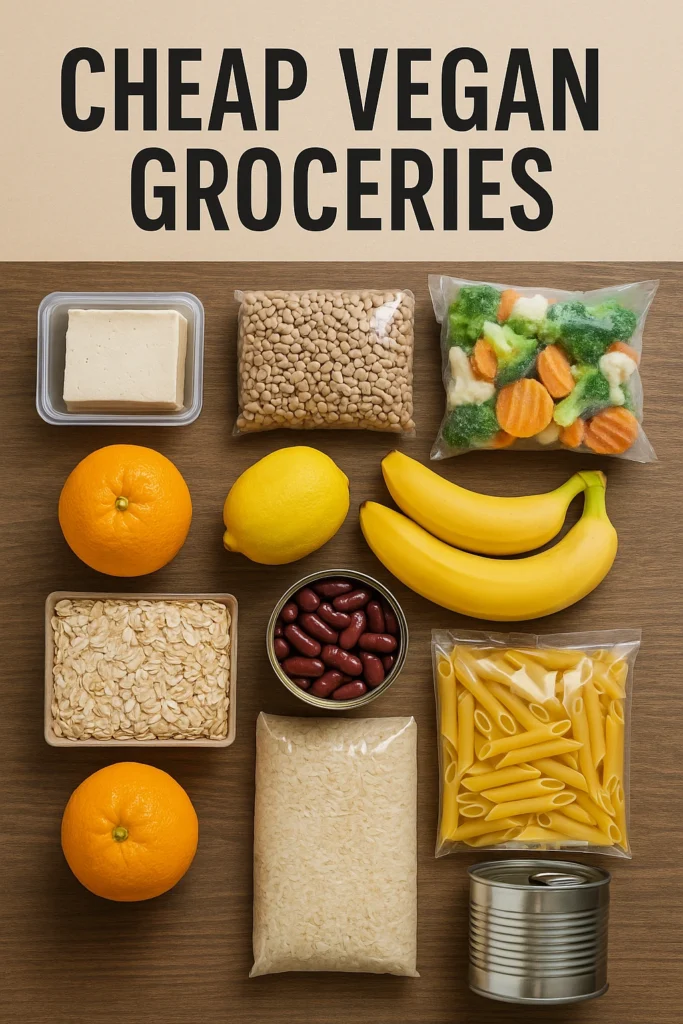
A lot of people think eating healthy costs too much money. However, plant-based on a budget will give you an answer.
They spot fancy juices and pricey meat substitutes at the grocery store. They think, “I can’t afford that!”
But here is a secret: eating a plant-based diet can actually save you money.
In fact, some of the cheapest foods in the whole world come from plants.
Foods like beans, rice, oats, and bananas are inexpensive and incredibly good for you.
You do not need to shop at high-end health food stores or buy expensive vegan brands to feel great.
You can enjoy tasty, filling plant-based meals daily without breaking the bank. Just follow a few simple tips!
Let us look at what you can do to make it happen!
Fall in Love with the “Pantry Heroes”
The best way to save money on a plant-based diet is to build your meals around what I call the “Pantry Heroes.”
These are dry goods that cost very little, last for months in your cupboard, and fill you up.
Beans and Lentils
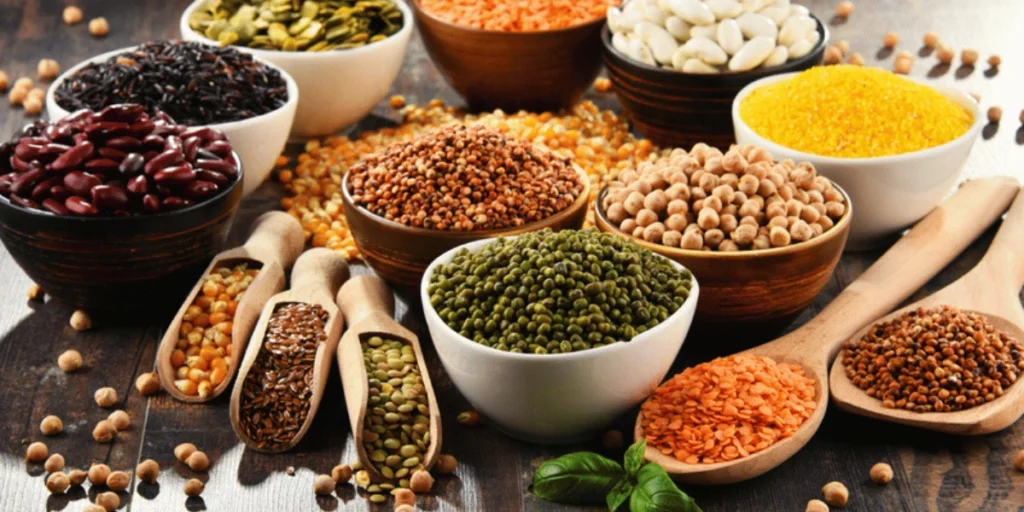
If you want cheap protein, look no further than legumes.
This group includes black beans, chickpeas, kidney beans, split peas, and lentils.
- Dried vs Canned: Canned beans are very convenient and still quite cheap. However, if you want the ultimate budget hack, buy dried beans in large bags. Cooking dried beans takes longer because you need to soak them. However, they cost about half as much as canned beans.
- The Perks: Nutritional guides on VegKit highlight that lentils and beans are packed with fibre and protein. You can use them to make hearty soups, stews, vegan chilli, or even homemade veggie burgers.
Whole Grains
Grains are the base of almost every great budget meal. They provide energy and keep your stomach from growling an hour after you eat.
- Brown Rice and Oats: Oatmeal is one of the most affordable breakfasts on the planet. A big bowl of oats with a sliced banana and peanut butter costs just pennies. It keeps you full until lunchtime. Brown rice, barley, and whole-wheat pasta are also amazing staples to buy in bulk.
Peanut Butter
Never underestimate a simple jar of peanut butter. It is rich, creamy, and full of healthy fats and protein.
You can spread it on toast, mix it into your morning oatmeal, or use it to make a savoury peanut sauce for noodles.
Master the Grocery Store
Shopping without a plan is the fastest way to overspend. To keep your plant-based budget on track, you need to change how you look at the grocery store.
Always Shop with a List
Before you walk through the automatic doors of the store, write down exactly what you need for the week. Stick to that list!
Stores design their layouts to encourage you to buy things you don’t need. This includes sugary snacks and pricey vegan treats. If it is not on the list, leave it on the shelf.
Shop the “Outer Edges”
Most grocery stores are set up the same way.
You can find the freshest, simplest ingredients around the edges of the store. This is where you find the fresh produce and bulk bins.
The middle aisles are usually packed with boxed, processed foods. Processed vegan foods—like fake meats and frozen vegan pizzas—are highly expensive.
Stick to whole foods instead.
Compare Unit Prices
When you look at the price tag on the shelf, do not just look at the total cost. Look at the small numbers that show the “unit price” (like the price per ounce or price per pound).
Buying a larger 2-kilogram bag of rice is often cheaper over time than a small box, even if it costs more at first.
Use Your Freezer Wisely
Fresh vegetables are wonderful, but they have a major flaw: they can spoil quickly. There is nothing worse than throwing away a bag of slimy spinach that you spent your hard-earned money on.
Buy Frozen Vegetables and Fruits
Frozen vegetables are a budget shopper’s best friend.
They pick them when they are ripe and freeze them right away. This helps them keep all their vitamins.
- No Waste: Frozen spinach, peas, corn, and mixed berries last for months. You only use what you need, and the rest stays safe in the freezer. No more wasted food!
- Price: Frozen produce is usually cheaper than fresh. This is especially true when fruits and vegetables are out of season.
Freeze Your Leftovers
If you make a big pot of vegetable soup or bean chilli and can’t finish it, freeze it!
After eating, put the leftovers in small boxes, write the date on them, and freeze them. Now you have a free, healthy microwave meal ready for a busy night.
Cook in Bulk (Meal Prepping)
Cooking a brand-new meal from scratch every single day takes a lot of energy and can lead to impulse buying. Instead, try cooking in bulk. This is often called meal prepping.
Choose One Day to Prep
Many budget shoppers use Sunday as their cooking day. You can brew a massive pot of brown rice and simmer a large batch of lentil curry or bean stew.
Mix and Match Your Meals
You do not have to eat the same bowl of food five days in a row if you get bored easily. Instead, use your prepped ingredients in different ways:
- First Day: Rice and black beans with a squeeze of lime.
- Second Day: Roll those same beans and rice into a flour tortilla for a budget burrito.
- Third Day: Mix the beans with some diced tomatoes and chilli powder to make a quick soup.
Cooking a lot of your base ingredients at once saves time. It also cuts your electricity bill and helps you skip pricey takeout.
Embrace Seasonal Eating and Local Markets
Nature is smart. It grows different fruits and vegetables at different times of the year. Eating “in season” means buying fruits and veggies when they’re ready to harvest.
Why Seasonal Food is Cheaper
When a vegetable is in season, there is a huge supply of it. When there is a lot of something, stores lower the price to sell it quickly.
Berries are cheap in summer. In autumn, squash, sweet potatoes, and apples are affordable.
In winter, fresh strawberries cost more. They need to be flown in from far away.
Visit Farmers Markets
If you have a local market nearby, check it out.
At the end of the market day, sellers often drop prices on fresh produce. They do this to avoid packing it up and taking it home.
You can find incredible deals on bags of potatoes, carrots, and onions this way.
Keep Your Meals Simple for a Plant-Based Budget
You don’t have to make complicated recipes with lots of ingredients to enjoy a plant-based diet.
Some of the most comforting, nutritious meals use fewer than five ingredients.
| Baked sweet potato, chickpeas, and tahini drizzle | Key Ingredients | Why It’s Great |
| Classic Rice and Beans | Brown rice, canned black beans, salsa | High protein, very filling, costs almost nothing. |
| Loaded Sweet Potato | Baked sweet potato, chickpeas, tahini drizzle | Rolled oats, banana, and peanut butter |
| Power Oatmeal | Baked sweet potato, chickpeas, and tahini drizzle | Perfect breakfast energy that lasts for hours. |
| Veggie Stir-Fry | Frozen mixed vegetables, tofu, soy sauce | Fast to make, uses up freezer staples easily. |
If you ever feel overwhelmed, pick a grain, pick a legume, and add a vegetable. It is that simple!
Stop Buying Expensive “Fads”
The food industry loves trends. They want you to think you need special ingredients to be healthy.
- Skip the Superfoods: You don’t need pricey powders, chia seeds, or exotic berries to stay healthy. A regular old apple or a bunch of carrots provides plenty of vitamins.
- Make Your Own Sauces: Buying pre-made vegan dressings and sauces adds up fast. Instead, buy a simple bottle of vinegar, some soy sauce, and a few basic spices like garlic powder and cumin. You can mix these with a little oil or water to create your own delicious dressings for a fraction of the cost.
- Drink Tap Water or Tea: Sodas and sugary juices eat up a big part of a grocery budget. Switching to tap water or simple herbal teas is much cheaper and infinitely better for your body.
I’ve included the exact plant-based-on-a-budget system to help you.
Summary Tips for Success
Let’s end with a short list that you can use every week to keep things clear:
- Get big bags of dry foods that you eat often, like beans, rice, and oats.
- Before you leave the house, make a shopping list and stick to it.
- Choose frozen fruits and vegetables to stop food waste.
- Cook large meals on the weekend so you have food ready for busy days.
- Avoid the pricey processed vegan meat alternatives.
Eating a plant-based diet is a journey, and it should not stress out your bank account.
Eat beautifully and save money by focusing on whole foods. Plan your shopping trips and embrace your kitchen.
For more helpful resources, check out our book, Eating Plant-Based on a Budget.
Happy cooking!

One Response