
By EatingPlantBasedZA | Faith-Centred Wellness for African Families
What Is Faith, Wellness & Purposeful Living?
Before we start, let’s answer the main question: what do faith, wellness & purposeful living mean?
Faith, wellness, and purposeful living help you care for your whole self: body, mind, and spirit.
They honour God and align with His purpose for your life. It is not about being perfect. It is about being intentional. It’s about making daily choices.
Your choices should show that you think life is meaningful. Your body is a gift. And your health connects to your relationship with God.
For many of us across Africa and the African diaspora, this is not just a wellness trend.
It is a return to something ancient and sacred.
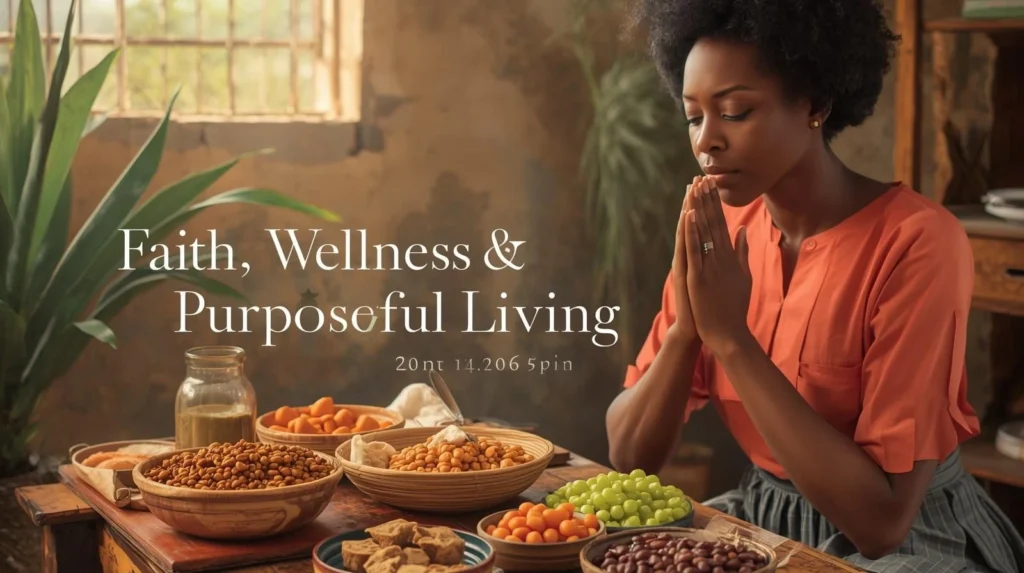
Our grandmothers grew food. And our communities prayed before meals. Our traditions connected what we ate to how we lived and who we worshipped.
Faith and wellness go hand in hand.
Now, science is starting to align with what Scripture has long taught.
Faith, wellness, and purposeful living mean choosing health as an act of worship. It’s not about vanity; it’s about being grateful for the body God has given you.
In this blog post, we’ll look at what Scripture says about health.
We’ll discuss building daily wellness habits based on biblical truth. And we’ll also see how food plays a role in a faith-filled life.
Lastly, we’ll explore living with purpose instead of just going through the motions.
Let’s get into it.
The Connection Between Faith and Health
Faith and wellness are strongly connected. This link goes beyond eating healthy. It’s more than just going to church on Sundays.
For centuries, people everywhere, even in Africa, have known humans aren’t just physical.
We have thoughts and feelings too. We are spiritual beings living in physical bodies.
This truth shapes everything, including how we approach health and healing.
Science Agrees With Scripture
Research now shows what believers have always known: faith can impact physical health.
Research from Harvard T.H. Chan School of Public Health shows that people with strong religious practices often:
- feel happier.
- have better health.
- build strong communities.
- cope better with stress.
- Live longer
- Experience less depression
- Recover from illness faster
- Manage chronic stress better
This is true compared to those without a spiritual foundation.
Psychoneuroimmunology is an important field.
It looks at how the mind, nervous system, and immune system connect.
This research shows that our beliefs and emotions can change how our bodies work. Spiritual practices can also have an effect.
Stress hormones like cortisol drop during prayer and meditation. Blood pressure lowers. Inflammation decreases.
This is not magic. It is biology reflecting what God already designed.
Key Truth: Faith and wellness are not separate compartments. What you believe shapes how you live — and how you live shapes your health.
Faith Gives You a Reason to Be Well
One of the most important things faith does for your wellness journey is give you a ‘why.’
When your drive for health is spiritual, it lasts longer. This can come from gratitude, love, or wanting to serve God and others. This is stronger than motivation based on looks or fear.
Think about it this way.
A person who eats vegetables because they want to look good in summer may give up when life gets hard. But a person who nourishes their body because they believe it is a temple of the Holy Spirit?
They keep pushing through tough days. They link their health to something greater than themselves.
In South Africa and throughout the continent, this faith-based motivation is common. People recognise it well.
We weave it into our culture, our songs, our language.
Phrases like ‘ubuntu’ — I am because we are — remind us that living well is not just a personal project. It is a community calling.
When you are healthy, you can serve your family, your church, and your neighbourhood.
The Whole-Person Model of Health
The World Health Organisation defines health. It is “a state of complete physical, mental, and social well-being.”
This means it’s more than just not being sick.’ What is remarkable is that this definition sounds a lot like what the Bible describes.
In 3 John 1:2, the apostle writes: “Dear friend, I hope you are healthy. I want everything to go well for you. I see that your soul is thriving.’
This is the whole-person model: body, soul, and spirit in harmony.
Faith and wellness walk hand in hand when we honour all three dimensions of who we are.
Biblical Principles of Stewardship & Health
The Bible has a great deal to say about how we care for our bodies.
From Genesis to Revelation, Scripture shows that God calls people to care for what He gives them. They are stewards of His gifts. They are to manage and care for these gifts. And that includes the body.
Your Body Belongs to God
A key idea about health is in 1 Corinthians 6:19-20. It says, “Do you not know that your bodies are temples of the Holy Spirit? The Spirit is in you. You received it from God.” You are not your own; you were bought at a price. Therefore, honour God with your bodies.’
This verse changes everything.
Your body is not just yours to do with as you please. It is a dwelling place. It is sacred ground. And because of that, how you treat your body is an act of worship — or neglect.
This is not meant to create shame or guilt.
Rather, it aims to inspire a reverent care.
You wouldn’t let a church fall into disrepair. Similarly, don’t neglect your body, the temple of the Holy Spirit.
The Principle of Stewardship
The concept of stewardship runs throughout Scripture.
In the parable of the talents (Matthew 25:14-30), Jesus shows us that we should use what God gives us wisely. We shouldn’t hide it out of fear or neglect.
Your health is one of those talents.
And your body is one of those gifts.
Good stewardship means making choices. These choices protect and nurture the gift. They should not waste it.
This applies to what we eat, how we rest, how we move our bodies, and how we manage stress.
Daniel’s Example of Food as Faithfulness
One of the most powerful examples of faith-based nutrition in the Bible is the story of Daniel.
In Daniel 1, the young prophet turns down the king’s rich food and wine. These foods likely came from idol sacrifices and went against God’s plan. Instead, he requests vegetables and water for ten days.
The result?
Daniel and his friends looked healthier and better fed than all the young men who ate the king’s food. This was not a coincidence.
It showed what happens when we match our eating habits with our faith and trust God for the results.
The Daniel principle: When we eat in alignment with God’s design, we can trust Him with the results. Health becomes an act of obedience, not just discipline.
Rest, Sabbath, and the Body’s Need for Recovery
The Bible also speaks clearly about rest.
The Sabbath principle — built into creation itself in Genesis 2:2-3 — tells us that even God rested. This is not because He felt tired.
He was showing something vital for humans: the sacred rhythm of work and rest.
One of the main causes of chronic illness in the globe is sleep deprivation.
Lack of rest raises cortisol levels. It disrupts blood sugar, weakens the immune system, and harms the gut microbiome.
The biblical call to rest is, therefore, also a biological necessity. Faith and science agree: rest is not laziness. It is stewardship.
Caring for the Body as a Spiritual Practice
Once we understand that the body is a temple, caring for it becomes something more than a health task. It becomes a spiritual practice.
Every walk, meal, glass of water, and early bedtime can be worship. Just do them with intention and gratitude.
Movement as Prayer
Physical movement has profound effects on the body, brain, and spirit.
Exercise cuts down inflammation. It boosts mood-boosting chemicals like serotonin and dopamine. It lowers blood pressure, too.
Plus, it helps your gut health. But beyond the science, movement can also be a form of communion with God.
Many believers — particularly across Africa — have long combined physical activity with spiritual practice.
Moving your body can boost your spiritual connection. You can walk in prayer, dance in worship. You can also garden while reflecting on Scripture. Each action helps you engage spiritually.
In South Africa, communities often walk far. Traditional dances hold deep meaning. Daily life includes work in the fields or at home. Movement has always been part of life.
We are reclaiming that heritage — not as a burden, but as a blessing.
Practical Step: Start tomorrow with a 20-minute morning walk. Use the first 10 minutes to pray or listen to worship music. Let movement become your morning conversation with God.
Food Preparation as an Act of Love
In African culture, preparing food is more than just feeding the body. It has always been an act of love, community, and identity.
When a grandmother cooks umngqusho, a traditional Xhosa dish of samp and beans, she isn’t just making dinner. She is sharing culture and love.
She’s sharing culture and love and is passing on the heritage. She is expressing care. She is nourishing in every sense of the word.
When we prepare food with intention, we honour our bodies. We choose good ingredients and cook with care.
Gathering around the table in fellowship matters, too. This practice gives us spiritual wellness that no supplement can match.
Sleep, Stress, and the Spirit
One of the biggest risks to one’s physical and spiritual well-being is chronic stress.
When we live in a constant state of worry, fear, or overwork, the body suffers. The immune system weakens. The gut becomes inflamed. The heart carries too great a load.
The Bible speaks to this directly.
In Philippians 4:6-7, Paul says, “Don’t worry about anything. Instead, in every situation, pray and ask God. Be thankful as you share your needs.” The peace of God, beyond all understanding, will guard your hearts and minds in Christ Jesus.’
Prayer, gratitude, and surrender are not just spiritual acts — they are physiologically protective.
Research shows that gratitude practices lower cortisol. They help improve sleep and boost the immune system.
What God commands for spiritual peace also produces physical health.
Mindful Eating as Spiritual Awareness
Mindful eating means slowing down and being present with your food. It also involves giving thanks before meals. It’s a practice for both the spirit and the body.
When we eat in a hurry or under stress, we compromise the body’s digestive system.
Digestion is a parasympathetic process. This means the nervous system should be relaxed for it to work best.
A simple grace before meals is, therefore, not just a ritual. It is a shift from sympathetic (stress) to parasympathetic (rest-and-digest) nervous system activity.
The act of giving thanks literally prepares your body to receive better and process food.
Nutrition Through a Faith Lens
What we eat is one of the most powerful levers we have for health.
And when we look at nutrition through a faith lens, food becomes far more than fuel. It becomes a daily opportunity to honour the body God gave us.
God’s Original Diet
In Genesis 1:29, God says to Adam and Eve, “I give you every plant with seeds on the earth. I also give you every tree that has fruit with seeds.” They will be yours for food.’
This original blueprint focuses on whole, plant-based foods. It’s not only theologically important. It is nutritionally remarkable.
Modern nutrition shows that diets high in whole plant foods are very healthy.
These foods include vegetables, legumes, fruits, whole grains, nuts, and seeds.
Consuming them is associated with significantly decreased incidences of obesity, type 2 diabetes, heart disease, and various types of cancer.
The Blue Zones are areas where people live the longest and healthiest. They all follow a mainly plant-based diet.
In South Africa, we have amazing plant-based food traditions. They truly deserve to be reclaimed.
Consider:
- Morogo (African wild spinach) — packed with iron, calcium, and folate
- Amadumbe (taro root) — a low-glycaemic, potassium-rich South African staple
- Umngqusho (samp and beans) — a complete protein, high-fibre traditional dish
- Sorghum — an ancient grain rich in antioxidants and resistant starch for gut health
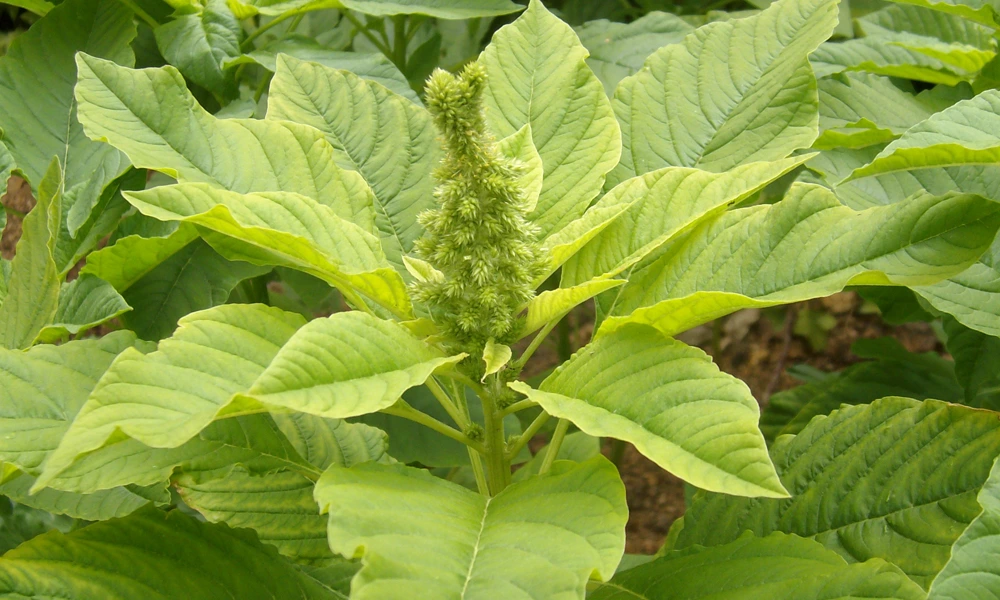
– Cowpeas and sugar beans — high in fibre. They also have protein and polyphenols. These nutrients help good gut bacteria.
These are not exotic health foods from abroad.
They are the foods our grandmothers made. They grow in our soil, thrive in our markets, and are supported by tradition and science.
Fibre: The Forgotten Nutrient
Dietary fibre is vital for health, yet it’s often under-consumed.
Fibre feeds the trillions of gut bacteria. A healthy gut microbiome helps your immune system. It helps with mental health. Balances hormones and controls blood sugar. And it might also prevent cancer.
Traditional African diets were naturally high in fibre.
Our grandparents ate whole maise, whole sorghum, beans, greens, and root vegetables. This diet was great for their gut microbiomes.
We are eating more refined, processed foods like white bread, sugary drinks, and snacks. These foods have less fibre.
As a result, non-communicable diseases are rising across the continent.
The good news?
Eating more plant-based, fibre-rich foods is great for your health. Plus, it’s one of the most affordable choices you can make.
Fibremaxxing Tip: Aim to eat 30 different plant foods each week. Each type feeds a unique strain of gut bacteria. This helps create a diverse and strong microbiome.
This includes herbs, spices, teas, and cooking greens — not just main dishes.
Zama Zincume, nutrition educator, expands on this in the fibremaxxing article.
What About Meat?
Many people ask whether a faith perspective requires vegetarianism.
The answer is no — the Bible does not command all believers to avoid meat.
After the flood, in Genesis 9:3, God permits the eating of animals.
Paul warns in Romans 14 against using food choices as a basis for judgment or division in the body of Christ.
There’s a big difference between what is allowed and what is best.
The evidence is clear.
Many families in South Africa eat diets high in ultra-processed meats. They also consume a lot of saturated fats and refined carbs.
These diets cause diseases. These diseases shorten lives and increase suffering in our communities.
A faith-informed approach to food is not about rigid rules. It is about wisdom, stewardship, and moderation.
Eat less meat. Choose whole plant foods. Use traditionally grown ingredients.
This choice honours both faith and science.
Fasting as a Spiritual and Physiological Tool
Fasting appears more than 70 times in the Bible. It’s also practised in nearly every major faith worldwide.
Intermittent fasting benefits the body in many ways.
It helps with cellular repair and reduces inflammation. It improves insulin sensitivity. And it supports gut health.
Plus, it may extend lifespan in animal studies.
Fasting done with spiritual devotion brings both spiritual and physical benefits. It’s an act of surrender, focus, and closeness to God.
It’s one of the oldest wellness practices known to people. And it’s also part of biblical faith.
Balance, Discipline, and Purpose
Living well is not just about eating the right foods or exercising regularly.
It’s about creating a life of purpose. In this life, your habits, time, relationships, and choices all align.
That direction is the purpose.
The Discipline of Small Choices
Galatians 5:22-23 lists self-control among the fruits of the Spirit.
This is deeply relevant to wellness.
Making consistent choices is important. It’s about picking water instead of sugary drinks. Choose sleep over late-night scrolling. Movement is better than sitting.
Whole foods are healthier than processed ones. This shows spiritual strength, not just willpower.
That is actually liberating.
As we grow spiritually, we surrender to God.
We embrace truth and build community with other believers.
This helps us grow our ability to practice self-discipline for good health.
Faith is not just about Sunday mornings. It is the daily scaffolding that holds up every other area of your life, including your health.
Purpose Changes Everything
Research shows that having a strong sense of purpose helps people live longer.
They also enjoy better health outcomes.
In Japan, they call this ‘ikigai’ — the reason you get out of bed in the morning.
In the faith community, we have an even more powerful version: calling.
When you know you’re called, you believe God put you here for a reason. You see that your life matters. You understand your community needs what only you can offer. Because of this, you take better care of yourself.
Not because of vanity, but because you want to be around. You want to be strong. You want to finish the work that you were meant to do.
This is why purposeful living is not optional for the believer. It is not a luxury, but a responsibility.
It starts with daily choices. Nourish your body, rest your mind, and align your habits with your purpose.
Community and Accountability
No wellness journey is meant to be walked alone.
In African culture, wisdom comes from the community.
Elders share their knowledge. Church families offer support. Women’s groups provide strength. Prayer partners encourage and hold each other accountable.
A community can really help you change your eating habits. It can help you build an exercise routine, too.
If you suffer from a chronic condition like diabetes or high blood pressure, support is quite beneficial. It facilitates better health management.
Studies show that social support is a key predictor of lasting behaviour change.
Think about starting or joining a health group. You can do this at your church or in your community.
Cook together. Walk together. Share recipes. Pray for one another.
This is purposeful, faith-rooted wellness in action.
When Illness Comes
Even the most faithful, health-conscious person can become ill.
Chronic disease, disability, and suffering are common parts of life on Earth.
A faith-based approach to wellness should include a theology of suffering. Illness doesn’t always mean you have failed spiritually.
Jesus healed many during His ministry. But he also stayed with those who weren’t healed.
Paul prayed three times to remove his ‘thorn in the flesh.’ He was told, ‘My grace is sufficient for you; my power is made perfect in weakness’ (2 Corinthians 12:9).
God is present in both health and illness. Our wellness practices are not magic — they are wisdom.
We do our part and trust God with the outcomes.
FAQs: Christian Health Questions
Is it a sin to be unhealthy?
No, it is not a sin to be unhealthy. Illness, disability, and physical challenges are part of life in a fallen world. Neglecting our bodies with bad habits is a problem. We often know better. The Holy Spirit may urge us to take care of ourselves. The goal is not guilt, but growth.
What does the Bible say about diet specifically?
The Bible contains a range of dietary instructions across different covenants. The Old Testament Mosaic Law, found in Leviticus 11, has rules about clean and unclean foods.
In the New Testament, especially in Acts 10 and Mark 7, Jesus and the early church changed their approach. They moved away from these rules for Gentile believers.
However, the principles of wisdom, moderation, and stewardship remain relevant. Many believers choose to eat plant-richly as an act of wisdom, not as a legal requirement.
Can prayer heal physical illness?
The Bible says God heals. He does this in supernatural and natural ways.
James 5:14-16 calls believers to pray for the sick.
God works through medicine. He also uses lifestyle changes and the body’s great ability to heal itself. A mature faith embraces both. We pray, and we also take wise action. Faith and medicine are not opposites.
Is plant-based eating compatible with Christianity?
Absolutely, and in many ways it reflects a return to God’s original design in Genesis 1:29.
Many Christian groups support plant-based diets. Seventh-day Adventists are one of them. They do this because of the Bible.
Adventist communities in Loma Linda, California, live longer. Their diet is mostly plant-based. This helps them stay healthy.
How do I start if I feel overwhelmed?
Start small and start with prayer. Ask God for wisdom and strength to take one step at a time. You do not have to overhaul your entire life in a week. Begin by adding one more serving of vegetables to your meals each day. Replace one processed snack with a handful of nuts or fruit. Take a short walk after dinner. Build from there. Progress, not perfection, is the goal.
What if my family does not support my healthy changes?
One common challenge in South African families is. There, food is closely linked to culture and tradition. Rather than announcing major changes, begin quietly. Make traditional dishes healthier. Add more morogo. Use whole-grain sorghum. Cut back on oil. Let the flavour speak for itself. Lead with love, not lectures. Change that lasts is often change that is shown, not told.
Recommended Resources & Further Reading
The following external resources support the evidence-based claims made in this article:
>> Harvard T.H. Chan School of Public Health — Religion/Spirituality and Health — Evidence-based research on how spiritual practices affect longevity and wellbeing.
>> Blue Zones Project — Plant-Based Longevity Lessons — Research into the world’s longest-lived communities and their dietary patterns.
>> NIH — Dietary Fibre and the Human Gut Microbiome — Peer-reviewed evidence on how fibre-rich diets promote gut health and reduce disease risk.
>> Loma Linda University Health — Adventist Health Study — Long-running research on the health benefits of plant-based eating in faith communities.
>> WHO — Social Determinants of Health — Global evidence on community, purpose, and their effects on physical health outcomes.
>> Eating Plant-Based ZA — South African Plant-Based Resources — Africa-localised plant-based nutrition resources, recipes, and practical wellness guides.
Final Thoughts
Faith, wellness, and purposeful living are not three separate things. They are one integrated way of being in the world.
When you know your purpose, you trust your Creator. You honour your body. Then, everything changes.
You don’t need a pricey gym membership, fancy superfoods, or a complicated wellness plan. However, you need wisdom, intention, and community. You need the ancient foods of your heritage: morogo, amadumbe, beans, and sorghum.
They should prepare with love and gratitude.
You need the Sabbath rest for which your body was designed, and the support of people who are walking the same road.
You need to feel, deep down, that this is worth it. It’s not just about how you’ll look, but about who you’ll become.
A person who is well in body, mind, and soul.
A person who can fully serve, deeply love, and complete the work the Almighty called them to do.
You were made for more. Take care of the body that carries your purpose.

One Response