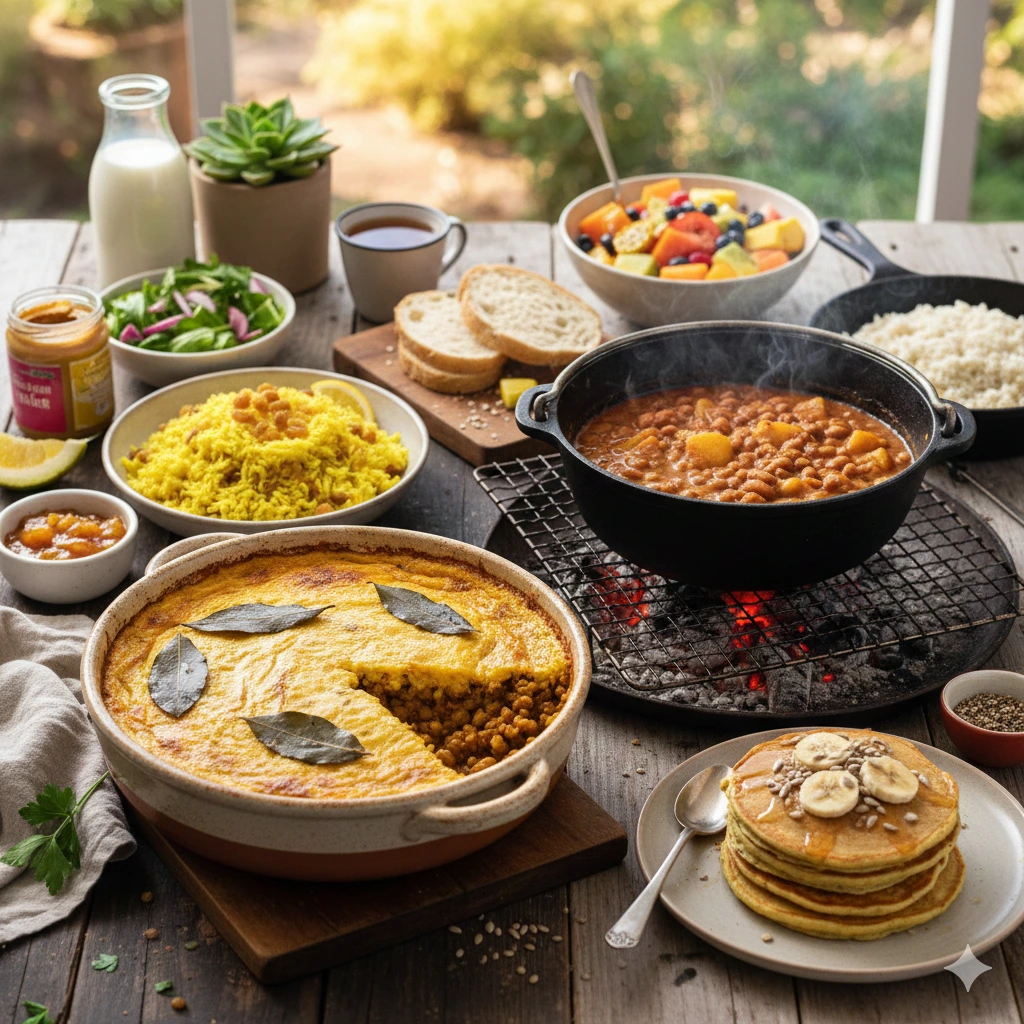
Here’s your guide to plant-based vs vegan in South Africa.
Key Takeaways: Plant-Based vs. Vegan in SA
- The Philosophy Gap: Veganism is an ethical choice. It avoids using animals for food. It also avoids animal exploitation in the production of clothing and entertainment. A plant-based diet is mainly a health choice. It focuses on eating whole plants.
- The “Grey Area”: Plant-based eaters tend to be more flexible, known as flexitarians. Vegans, on the other hand, follow a strict rule of no animal products, which includes honey, dairy, and eggs.
- Label Literacy is Vital: In South African stores like Checkers or Woollies, “plant-based” doesn’t always mean “vegan.” Vegans should look for vegan or cruelty-free labels. This helps them avoid animal ingredients.
- Health as Medicine: Both routes deal with regional health challenges like high blood pressure and Type 2 diabetes. A Whole-Food Plant-Based (WFPB) diet is the best for stopping disease.
- The Braai is Still Alive: South Africa’s braai culture is evolving. Enjoy the “fire” without the meat! Local brands like Fry’s and Urban Vegan have tasty options. They also serve traditional grilled veggies.
- Budget-Friendly Living: You don’t need a huge budget to eat this way in Mzansi. Staples like sugar beans, samp, lentils, and seasonal imifino (greens) are often cheaper than meat and dairy.
- Environmental Impact: Picking plants over meat saves water. This is important for South Africans facing water shortages and the impacts of climate change.
The Green Wave in Mzansi
If you walk down the aisles of a Pick n Pay or Woolworths lately, you will see something new. There are green labels everywhere.
In South Africa, more people are changing how they eat. Some call themselves vegan, while others say they are plant-based.
At first, these might sound the same. However, in the sunny land of South Africa, the difference is actually quite big!
For a long time, we have built our culture around the braai. Gathering around a fire to cook meat is a massive part of being South African.
But times are changing.
Many people are looking for ways to be healthier or kinder to the planet. “Plant-based” and “vegan” are popular buzzwords. You hear them often in Cape Town, Johannesburg, and Durban.

Understanding these words helps you make smarter decisions at the grocery shop. It also helps you decide what to serve at your next Sunday lunch.
Knowing the facts is the first step, whether you do Meat-Free Mondays or change your whole life. Let’s dive into what makes these two lifestyles different and why it matters for you and your family.
Key Differences: Plant-Based vs Vegan in South Africa Compared
To see the difference between vegan and plant-based, we should ask why people choose one over the other.
In South Africa, this usually comes down to a choice between health and ethics.
The Focus: Health vs. Heart
A plant-based diet is mostly about what you put on your plate. People choose this because they want to feel better.
They might want to lower their blood pressure or lose weight. Or they focus on eating whole foods like lentils, beans, mealies, and green vegetables.
While they avoid meat, their main goal is nutrition.
On the other hand, being vegan is a lifestyle.
It is about more than just food; it is about the animals. A vegan person believes that humans should not use animals for anything. This means they do not just stop eating meat. They also stop wearing leather shoes or using wool blankets.
In South Africa, vegans check if their soap or makeup is cruelty-free. They look for the Beauty Without Cruelty bunny logo.
The “Grey Areas” of Eating
The rules are often different for these two groups.
- Vegans follow a rigorous line. They do not eat any animal products. This includes honey, eggs, and dairy. If a biscuit has a tiny bit of milk powder in it, a vegan will not eat it.
- Plant-based eaters are often more flexible. Someone might say they eat a plant-based diet but still have a piece of biltong once a month or use honey in their tea. They are focusing on “mostly plants” rather than “only plants.”
Beyond the Kitchen
This is the most significant gap.
A plant-based person might still buy a leather car seat or a silk shirt. They focus on their health.
A vegan person looks at their whole house. They want to ensure that no animal harmed their clothes, their couch, or even their shampoo.
Comparison Table: At a Glance
| Feature | Plant-Based Diet | Vegan Lifestyle |
| Main Goal | Personal health and nutrition. | Animal rights and ethics. |
| Food | Eats mostly plants; may have “cheats.” | Zero animal products (no honey, eggs, dairy). |
| Clothing | Will wear leather, wool, or silk. | Avoids all animal-based fabrics. |
| Beauty Products | May use any brand. | Only uses “Cruelty-Free” brands. |
| Motivation | Longevity and heart health. | Kindness to all living beings. |
Understanding these differences helps you navigate the South African food scene.
Whether you are looking for a healthy salad or an ethical burger, you now know which label fits your goals!
What Does it Truly Mean to be Vegan in South Africa?
In South Africa, being vegan is about making a promise. This promise is to live in a way that does not hurt or use animals.
Many see it as a “fancy diet” from abroad, but the South African vegan community is growing quickly.
From the busy streets of Soweto to Cape Town’s suburbs, people are following their hearts.
For a South African vegan, the choice starts at breakfast but lasts all day.
They do not eat meat and also avoid dairy, eggs, and honey.
Why honey?
Vegans refrain from honey because it comes from bees. They believe we should let insects and animals do their own work.
But it extends beyond the kitchen.
Being vegan in Mzansi means:
- Checking Labels: Looking for the “Vegan” logo on snacks at Checkers or Spar.
- Fashion Choices: Opt for “faux-leather” belts and shoes instead of real cowhide.
- Entertainment: You can choose to visit a nature reserve to see wild lions. This is better than going to a circus or a zoo, where animals are kept in cages.
Many South Africans are also connecting veganism to our environment. They know that raising cattle for beef uses a lot of water.
In a dry country like ours, being vegan is a way to save water for future generations. The SA Vegan Society helps people locate local products that are completely animal-free. It is a full-time commitment to kindness.
The Rise of the Plant-Based Diet in South African Homes
Veganism is a complete lifestyle. In contrast, a plant-based diet is a popular way of eating. It emphasises the benefits of plants.
In South Africa, many families are now focusing on living longer and feeling stronger. This trend is growing fast.
Eating plant-based means your plate is full of “the good stuff.” This includes beans, lentils, chickpeas, sweet potatoes, and lots of greens.
The big difference here is that the focus is on Whole Foods. This is often called WFPB (Whole-Food Plant-Based).
A plant-based eater skips “fake meat” nuggets. Instead, they enjoy cooking a tasty lentil curry or a hearty vegetable stew.
Here is why many South Africans are choosing to be plant-based:
- Beating Sickness: Doctors in SA often recommend a plant-based diet for “lifestyle diseases.” These include Type 2 diabetes and excessive blood pressure.
- Flexibility: Some plant-based eaters call themselves flexitarians. They eat plants 90% of the time. They might have turkey at Christmas or a special dish at weddings.
- Natural Energy: Eating foods that grow in the ground can boost energy levels for work and sports.
In South Africa, eating plant-based food is actually very traditional!
Long ago, our ancestors ate lots of pumpkin. They also enjoyed wild greens (morogo/imifino) and maize.
Choosing a plant-based diet today feels like a return to a natural, healthy lifestyle. It connects many to the richness of our African soil.
Why Understanding the Difference Matters for Your Shopping Basket
When you go to the shops, you need to be a “label detective.”
Because the plant-based vs vegan trend is so big, companies want your money. A box may say “Plant-Based,” but check the fine print. It could still contain egg whites or milk powder.
- For Vegans: Look for the “Vegan” stamp or the Beauty Without Cruelty bunny. If it just says “Plant-Based,” it might not be 100% animal-free.
- For Plant-Based Eaters: You are looking for health. Sometimes a “Vegan” doughnut is high in sugar and unhealthy oils. Even though it’s vegan (no animals), it isn’t “plant-based” in a healthy way because it’s not a whole food.
Knowing the difference saves you time and money. It ensures that the food you buy aligns with your goals for your body and your world.
Health Benefits of a Plant-Based vs. a Vegan Lifestyle in SA
In South Africa, many people face “lifestyle diseases.” These include excessive blood pressure, Type 2 diabetes, and cardiac issues.
The good news is that both a plant-based and a vegan diet can be like medicine for your body. However, they help in slightly different ways.
Fighting Chronic Disease
Studies show that South Africans who eat more plants get sick less often.
For example, a healthy plant-based diet can reduce your risk of diabetes by over 20%. Because plants are full of fibre, they help your body manage sugar better.
This is crucial in South Africa. Many families there struggle with sugar-related issues.
Heart Health and Blood Pressure
By cutting out animal fats found in fatty meats and dairy, you lower your cholesterol. Think of it like cleaning out the “pipes” of your body.
A vegan lifestyle is excellent for this. It removes all cholesterol from animal sources.
Many South Africans see better blood pressure numbers. This happens after just a few weeks of eating plant-based foods.
The Nutrient Secret: Getting it Right
While these diets are healthy, you have to be smart about your nutrients.
- Protein: You don’t need meat for strength! South African favourites such as lentils, beans, and chickpeas are high in protein.
- Iron: It aids your body absorb iron from plant sources like spinach, add a squeeze of lemon or enjoy tomatoes with your meal. Vitamin C helps the iron go into your blood.
- Vitamin B12: This is the one thing plants don’t have. If you’re fully vegan, consider taking a small B12 supplement. You can also eat fortified foods like Marmite.
Can You Still Braai? Plant-Based vs Vegan Options for the Grid
We all know that in South Africa, the braai and shisanyama are king.
Going plant-based or vegan means eating just a plain green salad. But don’t worry!
You can enjoy tasty meals while others savour theirs.
But that is not true anymore! The “Vegan Braai” is now a delicious reality.
Amazing Meat Alternatives
Our local shops now have incredible options that sizzle just like the real thing. Brands like
Fry’s Family Food Co. Urban Vegan and Herbi Vōhr, local KZN favourites, make tasty sausages, burgers, and even “steaks.” They’re perfect for grilling on the coals.
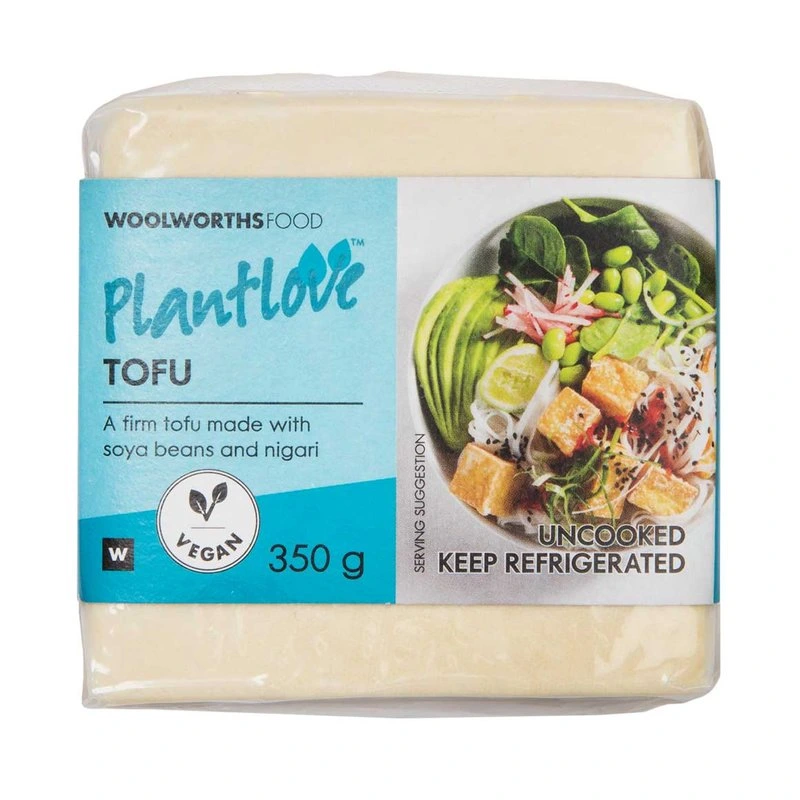
At Woolworths, check out the PlantLove™ range. It includes veggie kebabs and dairy-free burger rounds.
The “Hidden Heroes” of the Braai
You don’t always need fake meat to have a good time.
Some of the best braai food is naturally plant-based:
- Mushrooms: Large Portobello mushrooms soak in garlic and oil. They make a tasty, hearty burger patty.
- Corn on the Cob (Mielies): Rub them with a little dairy-free butter and salt for a smoky, sweet treat.
- Braaibroodjies: Make our toasted sandwiches vegan. Use dairy-free cheese. Choose egg-free bread.
Tips for Hosting or Visiting
If you are the only one not eating meat at a braai, don’t worry!
- Bring your own: Most South African hosts don’t mind if you bring vegan sausages or patties for the grill.
- Marinate everything: Plants love flavour! Use BBQ, lemon-and-herb, or peri-peri sauce to make your vegetables stand out.
- Keep it separate: If you’re a strict vegan, ask your host to clean the grill well. You can also place your food on foil to prevent meat juices from dripping.
Environmental Impact: How Plant-Based vs Vegan Choices Save Our Soil
In South Africa, we are very aware of how precious our land and water are.
Whether you choose to be vegan or plant-based, you are making a big difference for nature.
The most significant impact comes from water savings.
Did you know that it takes roughly 15,000 gallons of water for just one kilogram of beef? In a dry country like ours, that is a lot of water!
You can reduce the amount of water you use for meals by up to 50% by switching to a plant-based diet.
- Climate Change: Raising animals for food makes more greenhouse gases. It produces more than all cars and planes put together.
- Land Use: In South Africa, farmers use a large area of land for cattle grazing. Eating plants directly uses less land. This helps protect wildlife and natural bushveld.
Whether you are doing it for the animals (vegan) or for your health (plant-based), the earth wins either way!
The Cost of Living: Is Plant-Based vs Vegan Eating Affordable in SA?
Many people think that eating this way is only for the rich, but that is a myth!
In fact, eating a whole-food plant-based diet can be the cheapest way to live in South Africa.
- The Budget Staples: Brown beans, lentils, chickpeas, and samp are very cheap. You can find them at Shoprite and Spar. A bag of dried beans costs much less than a tray of chops and can feed a family for days.
- The “Vegan Trap”: Being vegan can cost a lot. This is true if you only buy fancy meat substitutes. Imported vegan cheeses and pricey nuggets can add up quickly.
- Seasonal Savings: South Africa has excellent fresh produce. You can save money. Stay healthy by buying “in season” fruits and veggies. Get them from local markets or street vendors.
If you stick to whole, natural foods, your grocery bill will likely go down, not up!
Frequently Asked Questions About Plant-Based vs Vegan in South Africa
Is honey vegan?
No. Strict vegans do not eat honey because bees make it. However, many plant-based eaters still use honey as a natural sweetener.
Can I be plant-based and still eat biltong occasionally?
Yes! This is often called being flexitarian. You mainly focus on plants. However, you enjoy small amounts of meat for special occasions or traditional events.
Where can I find vegan-friendly restaurants in South Africa?
Cape Town and Johannesburg offer the most choices. However, cities like Durban and Gqeberha are also improving. Try apps like HappyCow to find nearby spots. You can also look for “V” icons on menus at major chains such as Spur, Panarottis, and Kauai.
Are plant-based milks better for me than dairy?
Many South Africans say that switching to soy, almond, or oat milk helps. It can reduce bloating and improve digestion. This is particularly true for those with lactose intolerance. From an environmental view, oat and soy milk use much less water than dairy.
Final Thoughts: Choosing Your Path
In the end, the choice between plant-based vs vegan depends on your goals.
If you want to improve your health and feel more energetic, a plant-based diet is a great place to start.
If you want to stand against animal cruelty and live “green,” the vegan lifestyle is for you.
Both choices help make South Africa healthier, kinder, and more sustainable. That’s the key point.
Why not start today? Even a small change, like a vegetable curry for dinner tonight, makes a difference.
