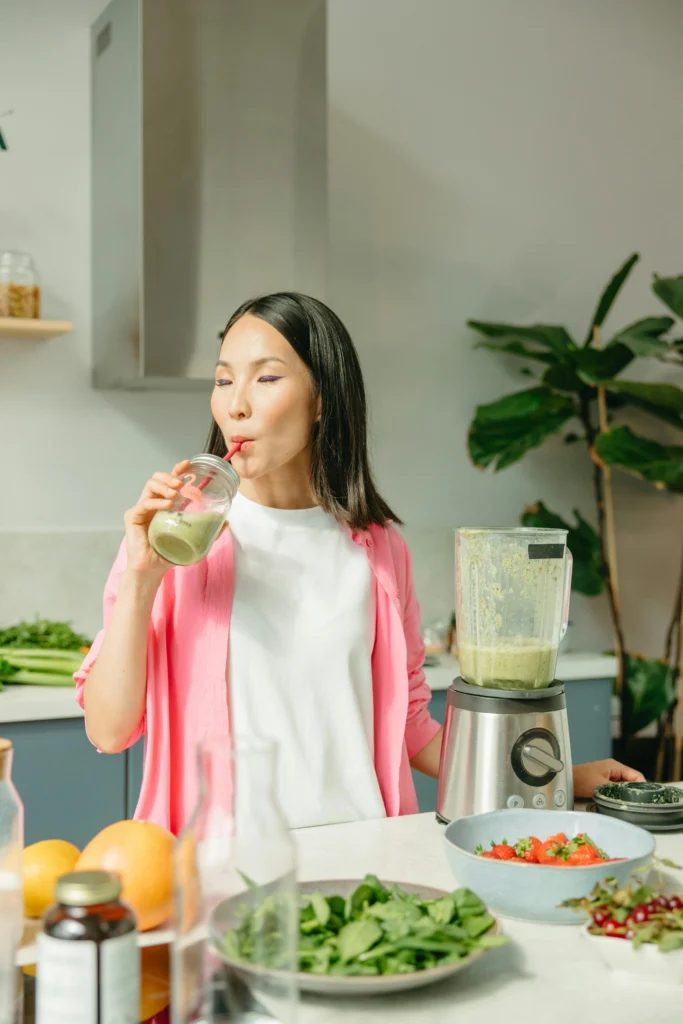
Here’s your guide to plant-based wellness for travellers.
I love the version of travel where I land, drop my bag, and feel amazing—clear-headed, well-fed, and ready to explore.
That used to feel impossible on busy plant-based trips. Now it’s my normal, because I treat travel like a mini wellness project.
Here’s my friendly travel framework. It covers what I pack, how I eat, when I sleep, and my little rituals. These help me stay energised and calm from take-off to touchdown.
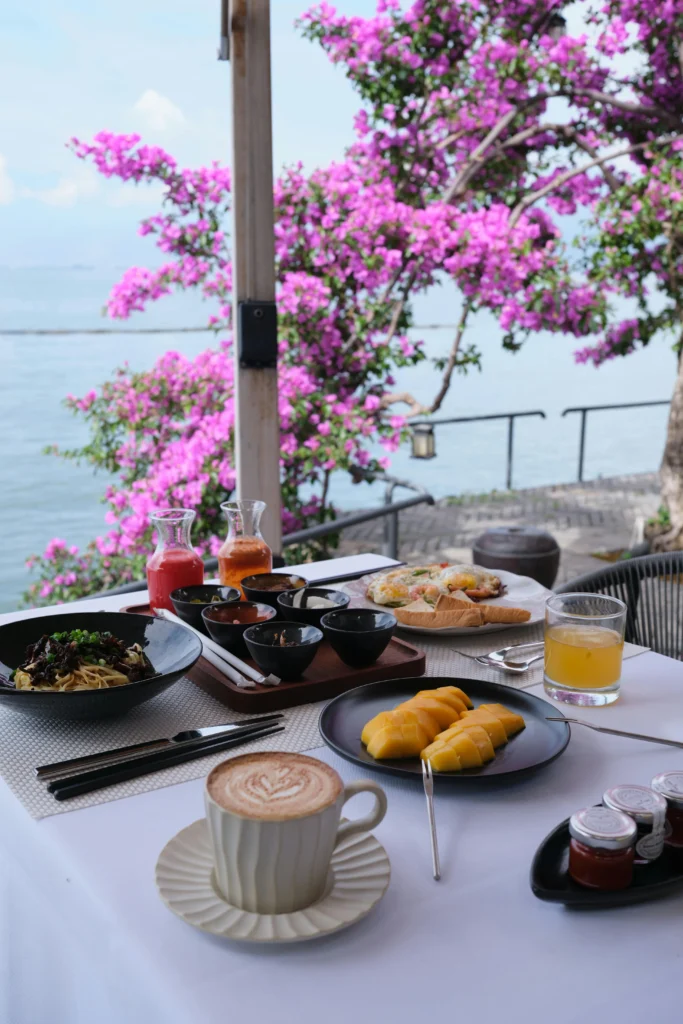
By Tianwang Xiao (http://www.pexels.com/@TianwongXiao)
The Plant-Powered Travel Game Plan
1) Build your “wellness kit” (carry-on, always)
Here’s my simple kit that covers 90% of travel days.
- Hydration: Collapsible bottle, electrolyte sachets (low sugar), herbal tea bags.
- Smart snacks include:
- Roasted chickpeas
- Mixed nuts
- Dates
- Dark chocolate
- Oatcakes or crackers
- Nut butter squeeze packs
- Instant oats sachets
- Mini meal insurance: Shelf-stable tofu or legumes (tetra packs), quinoa cups, miso sachets, soup cups, instant polenta.
- Comfort & Recovery:
- Eye mask
- Soft earplugs
- Neck pillow
- Lip balm
- Tiny hand cream
- Saline nasal spray
- Magnesium glycinate (if it works for you)
- Compression socks for long flights
- Food tools:
- Light spork
- Silicone snack bag
- A few Zip-locks
- Mini travel spices (sea salt, chilli flakes, garlic/onion powder)
- Compact collapsible bowl
Tip: Keep the kit in one pouch to make airport security smoother.
2) Eat simply on travel days
Travel days aren’t my time for culinary heroics. I focus on steady energy and easy digestion.
- Breakfast before the airport: Overnight oats or a tofu-veggie scramble.
- In transit: A big water, fruit, and a “macro box” (whole-grain + bean + veg + sauce).
- On the plane: Favour whole foods you brought; order a vegan meal when booking (airlines need notice).
- At arrival: I prioritise a warm, savoury meal with fibre and protein (lentil soup, rice + beans, veggie curry).
Food-safety matters too—especially in new environments. Basic hygiene steps (clean hands, safe water, hot food served hot, cold food cold) go a long way. World Health Organization+1
3) Land like a pro: light, timing, movement
Jet lag is a body-clock issue, so I use light, timing, and gentle movement to reset my body clock.
- Light: Morning sunlight at your destination helps anchor your body clock.
- Timing: I switch my watch to destination time on the plane and time meals/sleep to match.
- Movement: Short walks and easy mobility work on arrival reduce that heavy, “puffy” feeling.
Sleep groups and medical sources often suggest these tips to lessen jet lag. Sleep Foundation+2Sleep Foundation+2
4) Sleep smarter in unfamiliar beds
My mini sleep ritual is the same everywhere:
- Before bed: No heavy meals 2–3 hours prior; a calm herbal tea; dim lights.
- In bed: Eye mask + earplugs; a few slow nasal breaths; body scan.
- If I wake up, I don’t fight it—five minutes of breathing, then read a few pages of something light.
Mindfulness practices are well-studied for stress and can support better sleep routines. NCCIH+1
5) Nail your nutrients on the road (easy & realistic)
Plant-based travel can be wonderfully nourishing if you cover a few basics:
- Protein: Legume bowls, tofu/tempeh, hummus plates, lentil soups, edamame, quinoa salads.
- Iron & zinc: Beans, lentils, pumpkin seeds, oats, whole grains; pair iron sources with vitamin-C foods (citrus, peppers, berries).
- Omega-3 (ALA): Ground flaxseed (I pre-pack), chia seeds, walnuts.
- B12: Use fortified foods or a reliable supplement—non-negotiable for vegans. The Vegan Society
A well-planned vegan diet can meet the needs of adults, even for active travellers.
The latest paper from the Academy of Nutrition and Dietetics confirms this. Plan it, and you’re golden. Jandonline
6) Find plant-based food—anywhere
My first three moves in a new city:
- Map the nearest grocery store/market.
- Open a vegan-friendly directory/app to spot reliable options (filters save time).
- Scan accommodation options for an in-room kettle, microwave, or mini-fridge—tiny tools that make big wins.
Crowd-sourced directories make this fast and practical when you’re new to town. HappyCow
7) Order like a local (and get precisely what you want)
When the menu isn’t vegan-explicit, I ask for one of these:
- “Grain + bean + veg” bowl (rice or quinoa + beans/lentils + whatever greens/veg they have).
- “Sides as a main” (two veg sides + a starch; ask for olive oil, lemon, herbs).
- Custom salad with legumes, seeds, and avocado; dressing on the side.
- Soup first (lentil, minestrone, veggie), then a side of bread or rice.
Polite, clear requests + gratitude = magic. If language is a barrier, a quick phrase note on your phone does wonders.
8) Hydrate and protect your gut
- Hydration: I make water visible (bottle on the table) and sip consistently.
- Electrolytes: One sachet on long travel days or hot climates.
- Pro-gut choices: Fermented foods (local pickles, kimchi, sauerkraut), prebiotic fibres (oats, bananas, beans).
- Food & water safety: In higher-risk destinations, stick to sealed drinks, hot foods, and avoid questionable ice/raw salads. Country and regional travel pages provide up-to-date guidance. CDC+1
9) Move daily (even when your itinerary is packed)
I treat movement like brushing my teeth—non-negotiable, quick, and mood-boosting.
- Hotel-room circuit (10–15 min): Squats, push-ups on the bed, split squats, glute bridges, plank; then a hip/shoulder mobility flow.
- Active sightseeing: Walk more than you ride when it’s safe; take stairs; carry your daypack high and snug.
- Micro-movement in transit: Calf pumps, ankle circles, gentle twists, and walk the aisle when allowed.
10) A sample 24-hour plant-based travel day
Morning (destination time): Big water + light stretch → oats cup with flax, banana, and peanut butter → 10–20 min daylight walk.
Midday: Grain/legume bowl with roasted veg and a citrus-herb dressing → refill water → short museum or city walk.
Afternoon flight/train: Snack kit: nuts + dates + chickpeas → tea or water → 5 min breathing + eye mask nap.
Evening: Vegetable-rich soup or curry with rice/roti → gentle stretch → hot shower → lights low, screens off.
Frequently asked (quick answers)
How do I keep my energy up on long days?
- Front-load water.
- Pack salty-sweet whole-food snacks.
- Prioritise carbs and beans at lunch.
- Keep dinner lighter.
What about supplements?
B12 for vegans is essential (fortified foods or a supplement). Consider vitamin D if you’re travelling in winter/low sun; discuss omega-3 or others with a professional who knows your context. The Vegan Society
Is street food safe?
Lots of it is! Choose busy stalls with high turnover, watch food being cooked hot, and sanitise your hands before eating. Global “safer food” basics still apply. World Health Organisation
How do I beat jet lag fast?
Anchor to local mornings with sunlight, time meals to destination, hydrate, and keep the first evening gentle. Sleep Foundation+1
My plant-based travel pantry (packable list)
- Instant oats | quinoa cups | rice cakes/oatcakes
- Roasted chickpeas | nuts & seeds | dark chocolate
- Nut/seed butter squeeze packs | shelf-stable tofu/beans
- Flax or chia sachets | miso soup cubes | spice mini-kit
- Herbal tea bags | electrolyte sachets | collapsible bottle
- Spork | silicone bag | small Zip-locks | collapsible bowl
Evidence & tools for Further Reading
- WHO: Travel & Health – food/water, heat, and general advice (global overview). World Health Organization+1
- CDC Travellers’ Health: Food & Water Safety (practical dos/don’ts by region). CDC+1
- Academy of Nutrition and Dietetics (2025): Vegetarian & Vegan Diets Position (adequacy for adults when planned well). Jandonline
- Vegan Society: Vitamin B12 guidance (how vegans reliably meet B12 needs). The Vegan Society
- WHO: Five Keys to Safer Food (universal food-hygiene principles). World Health Organization+1
- CDC: Country-specific travel advice (e.g., South Africa) (vaccines, safety notes). CDC
- HappyCow Directory (find vegan/veggie restaurants and stores worldwide). HappyCow
- Sleep Foundation: Jet Lag Guides (science-backed strategies to adjust faster). Sleep Foundation+1
- NCCIH: Mindfulness & Meditation – effectiveness and safety (evidence overview). NCCIH
- NICD (South Africa): Food & Water Safety Tips for Travellers (localised guidance). NICD

One Response