Do you want to know how to elevate your plant-based lifestyle in South Africa?
Here’s your guide from basics to balance.
When I started my plant-based journey, I focused on the basics. I removed meat, added veggies, and learned to cook beans without making them mushy.
As months turned into years, I saw something more profound. This lifestyle isn’t just about food; it’s about how we live, connect, and support both our bodies and our purpose.
If you’ve nailed the basics—trading animal products for plant foods, prepping meals, and trying vegan recipes—then it’s time to level up.
In this post, I’ll show you how to elevate your plant-based journey.
We’ll cover better nutrition and how to make a bigger impact in your community. This is all in the South African context.
Refine Your Nutritional Balance
Initially, you may have felt happy to find tasty dairy-free dishes and simple lentil stews.
As your body adapts, adjust your intake accordingly. This helps boost energy, strength, and longevity.
Prioritise Whole Foods Over Processed Alternatives
South African supermarkets now overflow with “vegan-friendly” convenience foods — burgers, cheeses, mock meats.
These can be fun, but they’re often high in sodium, oils, and additives. Instead, build your meals around:
- Whole grains (brown rice, sorghum, quinoa, millet).
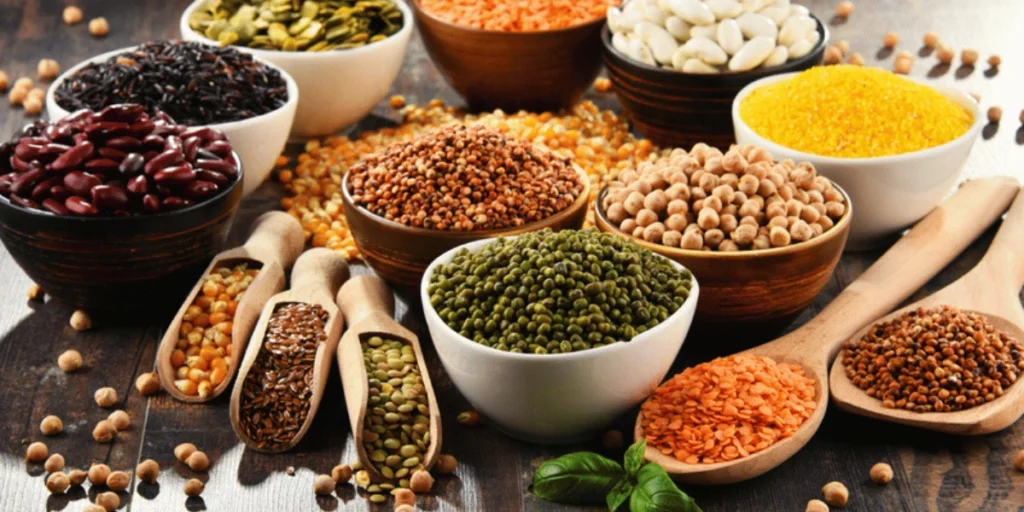
- Legumes (chickpeas, cowpeas, lentils, mung beans).
- Leafy greens (morogo, spinach, kale).
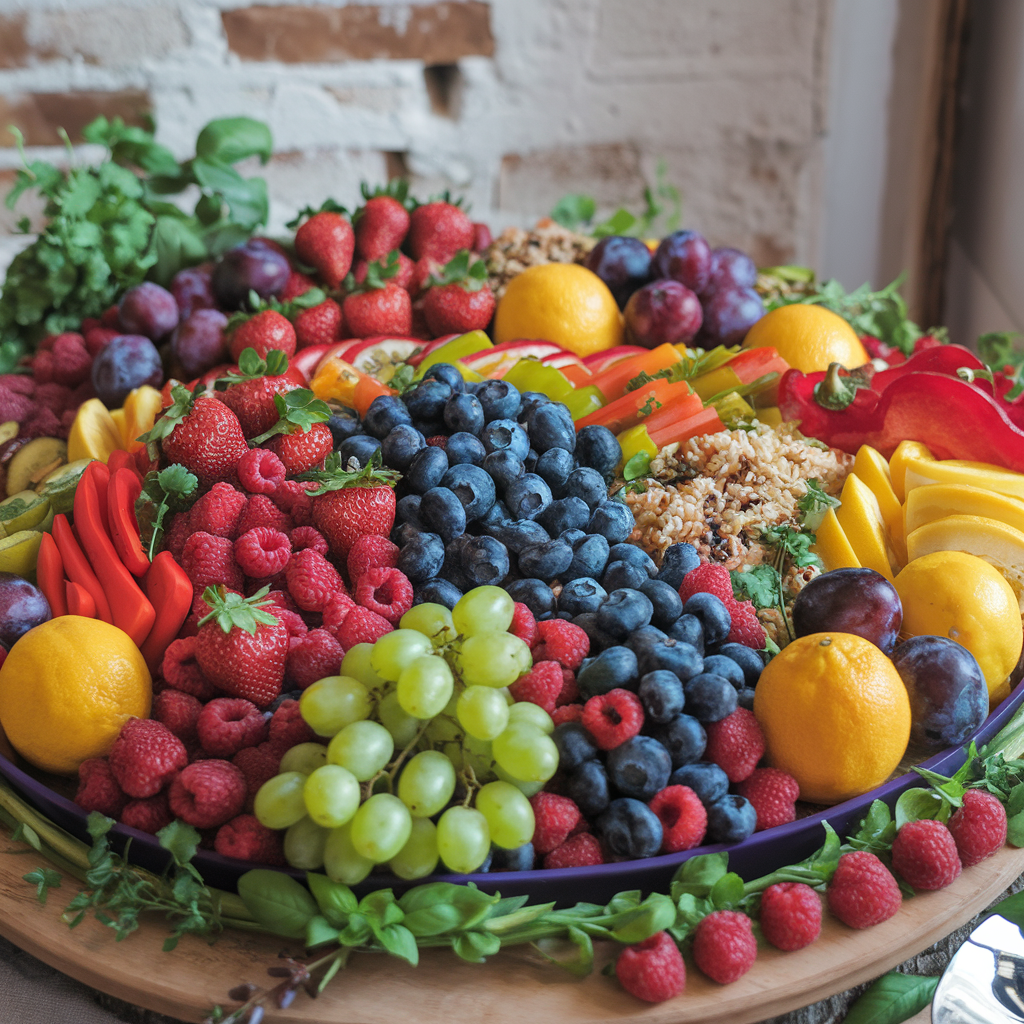
- Fresh fruit (papaya, mango, citrus, berries).
Whole food means wholeness — you get the fibre, the phytonutrients, and the fullness that processed foods can’t match.
Boost Protein & Micronutrients Naturally
To sustain a higher level of performance — whether in workouts, work life, or recovery — focus on:
- Protein powerhouses: lentils, tofu, tempeh, chickpeas, black beans, quinoa, hemp seeds.
- Iron & zinc sources: morogo, pumpkin seeds, lentils, sesame, amaranth.
- Vitamin B12: fortified plant milks, nutritional yeast, or supplements.
- Omega-3s: chia, flax, and walnuts.
If you stay active, think about adding post-workout meals. A chickpea scramble on toast is a great option. So is a peanut-butter-banana smoothie with oats.
Learn to Read Labels
Not everything “vegan” is healthy.
When scanning products:
- Choose <15 g sugar per 100 g.
- Avoid palm oil or hydrogenated fats.
- Go for whole ingredients first (not fillers).
Local tip: South African brands such as Nature’s Choice and Faithful to Nature provide cleaner plant-based staples. They are better than many imported ultra-processed options.
Elevate Your Kitchen & Meal Prep Game
A next-level plant-based life begins in the kitchen. Once you know the basics, it’s time to streamline and experiment.
Batch Cook Like a Pro
Choose one “prep day” weekly — I usually do Sundays — to cook grains, legumes, and sauces for the week.
- Cook 2–3 grains (brown rice, quinoa, samp).
- Prepare two legumes (lentils, chickpeas).
- Make two sauces (tomato curry base + peanut satay)
- Pre-chop veggies for stir-fries and soups
Mix-and-match through the week to save time and money.
Flavour the South African Way
Level-up meals with local herbs and spices:
- Cape Malay curry blends (turmeric, coriander, cinnamon).
- Durban masala for bold stews.
- Rooibos & citrus in sauces
- Garlic, ginger, chilli base for umami depth
Use my guide: The Art of Using Herbs & Spices to Elevate Simple Plant-Based Meals.
Upgrade Your Appliances (if possible)
If budget allows:
- Invest in a good blender (for soups, smoothies, and sauces).
- Get a pressure cooker or Instant Pot (cuts bean-cooking time in half).
- Try a dehydrator or air fryer for chips and veggie snacks.
Tools don’t make you healthy — but they make healthy eating easier.
Source Local, Seasonal, and Sustainable Ingredients
Next-level living means alignment — with nature, community, and economy.
Shop Seasonal
Eating what’s in season is cost-effective and flavourful. In the article “Seasonal Whole Food Shopping Guide for South Africa,” I explore the concept of seasonal shopping.
In SA:
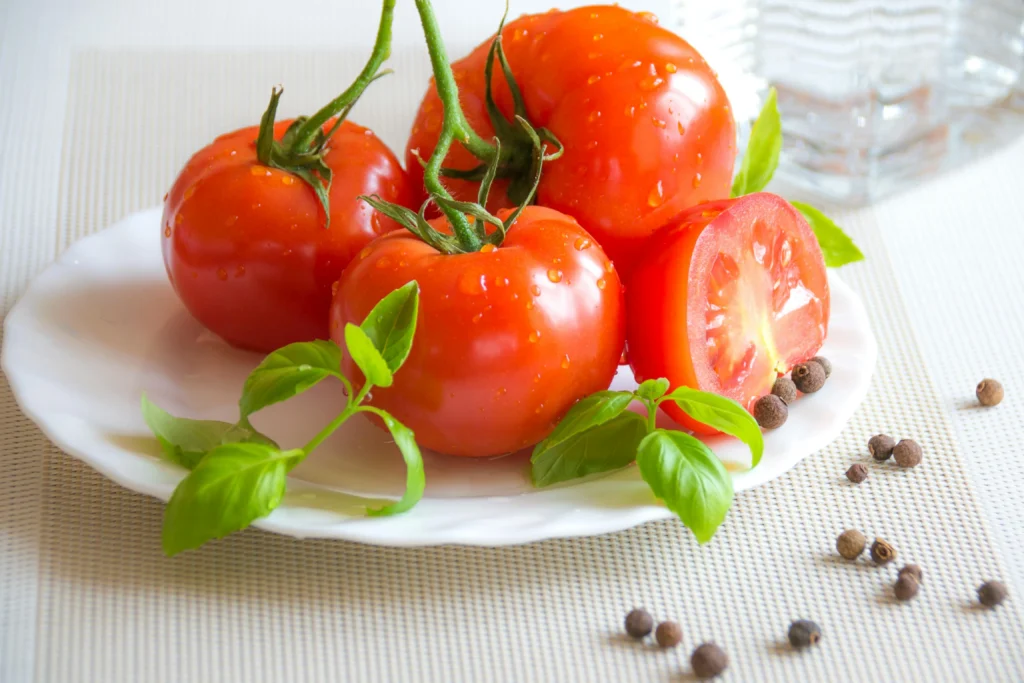
- Summer (Dec–Feb): tomatoes, peppers, mangoes, watermelon.
- Winter (Jun–Aug): pumpkin, cabbage, citrus, spinach. Check: Pick n Pay Seasonal Produce Guide.
Support Local Farmers & Markets
Visit:
- I Heart Market (Durban)
- Neighbourgoods Market (Johannesburg)
- OZCF Market (Cape Town)
Buying local supports small farmers, reduces packaging waste, and gives you fresher food.
Reduce Waste
- Compost scraps or feed them to a community garden.
- Reuse jars for storage.
- Buy dry goods in bulk to minimise plastic waste.
Eating sustainably boosts your impact. It helps support your gut microbiome and contributes to a healthier global ecosystem.
Focus on Performance, Energy, and Longevity
As you progress, your plant-based diet should help you thrive and perform well.
Eat for Endurance
If you’re active, fuel intentionally:
- Pre-workout: banana + oats.
- Post-workout: smoothie with protein (tofu, lentils, hemp).
- Electrolyte recovery: water, a pinch of salt, and lemon juice.
Read more: Fuel & Finish Strong: Vegan Endurance Training Cookbook.
Mind Your Gut Health
Your immune system lives primarily in your gut. Feed it well:
- Add fermented foods (sauerkraut, kimchi, amasi-style coconut yoghurt).
- Eat a rainbow of fibre (variety = resilience).
- Drink plenty of water — especially in SA’s heat.
Gut-supportive foods boost energy, immunity, and mood. The actual “next level” is finding internal balance.
Don’t Neglect Rest & Recovery
A plant-based lifestyle isn’t just about food. Your nervous system also needs care.
- Prioritise 7–8 hours of sleep.
- Limit caffeine after 2 p.m.
- Start or end your day with stillness — prayer, journaling, or deep breathing.
Health without peace is incomplete.
Deepen Your Purpose and Faith Connection
If you’ve followed my work, you know that I believe in living a plant-based life with purpose.
When I shifted my mindset from “diet” to “discipline,” everything changed. I began to see food as a gift — a daily act of stewardship.
“So whether you eat or drink, or whatever you do, do it all for the glory of God.” – 1 Corinthians 10:31
Elevate your plant-based journey by aligning it with your values:
- Practice gratitude before meals.
- Share meals with others — break bread, not boundaries.
- Volunteer or donate to local feeding programs that use whole-food cooking.
When your wellness becomes service, it transforms both you and your community.
Create Structure: Track, Reflect, Evolve
Track Your Habits
Use a digital or printable tracker for:
- Daily water intake
- Fruit & veg servings
- Protein portions
- Sleep & mood
I recommend my printable Plant-Based Wellness Tracker (coming soon).
Reflect Weekly
Ask:
- How do I feel physically, mentally, spiritually?
- Where am I growing?
- What needs realignment (sleep, stress, exercise, prayer)?
Progress happens through awareness — not perfection.
Common Pitfalls (and How to Overcome Them)
| Pitfall | How to Fix It |
|---|---|
| Eating too few calories | Eat bigger portions; include fats like peanut butter & avocado |
| B12 or iron deficiency | Supplement and monitor annually |
| Social isolation | Join vegan meetups, Facebook groups, church wellness communities |
| Cravings for processed food | Batch-cook wholesome snacks, add spice for satisfaction |
| Burnout | Rest, vary meals, don’t be too rigid — grace matters |
Get Involved Locally
- Join vegan community events in Durban, Joburg, or Cape Town.
- Support environmental projects, such as WWF SA’s Sustainable Food Systems (wwf.org.za).
- Host plant-based cooking demos at schools or churches.
Keep Learning
Enrol in short courses on nutrition or sustainability. You can find online modules at Coursera, UNISA, and eCornell. Knowledge deepens practice.
Travel Mindfully
Check out local, sustainable vegan travel options:
- Drakensberg retreats.
- Cape Town’s vegan wine routes.
- Garden Route farm stays.
Read: Sustainable Vegan Travel in South Africa.
FAQs: Next-Level Plant-Based Living in SA
Do I need supplements on a plant-based diet?
Yes, at a minimum, Vitamin B12. You may also consider Vitamin D, iodine, and Omega-3 (ALA/DHA) if your intake is low.
Is a 100% vegan diet necessary to be healthy?
Not necessarily. Progress > perfection. Focus on eating mostly whole, plant-based foods.
Can athletes thrive on a plant-based diet in South Africa?
Absolutely! Local athletes, like tennis pros and runners, thrive on balanced vegan diets. It’s all about planning macros.
How can I handle social pressure?
Lead with love and confidence. Bring your own dishes to gatherings; share flavours that impress rather than preach.
What’s next after mastering the basics?
Discover nutrition science. Link your faith with food. Guide others and support community wellness programs.
Relevant External Links & Resources
- https://www.pnp.co.za/Pick n Pay Seasonal Produce Guide – Learn what’s fresh and affordable year-round.
- Faithful to Nature – South African Online Health Store – Shop clean, eco-friendly vegan brands locally.
- WWF South Africa: Sustainable Food Systems – Practical insights on reducing your footprint.
- The Vegan Society South Africa – Community, resources, and local events.
- Heart and Stroke Foundation South Africa – Guidance on nutrition, heart health, and plant-based eating.
- Healthline – Advanced Plant-Based Nutrition Tips – Science-backed insights on longevity and micronutrients.
- BMC Nutrition Journal – Plant-Based Diets in Africa – Research on African plant-based trends.
Conclusion: Becoming the Best Version of Your Plant-Based Self
Boosting your plant-based lifestyle in South Africa isn’t about perfection. It’s about discovering what works for you.
It’s how you shop, cook, think, and serve.
When we honour local produce, our faith, our planet, and our community, we rise beyond diet — into purpose.
Feed your body wisely, nurture your soul deeply, and you’ll inspire others to do the same.
