
Introduction:
Here’s your comprehensive guide to Zulu vegan recipes.
Did you know that traditional Zulu cuisine has been plant-based for centuries?
This was long before “vegan” became trendy.
I’m fascinated by how these ancient eating habits align with modern nutritional science!
The Zulu people have a deep understanding of how plants nourish and heal. Now, research supports what indigenous communities have long known.
In this guide, we’ll explore authentic Zulu vegan recipes that are truly delicious.
These dishes pack phytonutrients, anti-inflammatory compounds, and gut-healing properties. Science is just beginning to understand its benefits.
To reduce inflammation, support your microbiome, or eat more naturally, try these delicious recipes.
Let’s dive into the blend of traditional wisdom and science-based nutrition.
The Nutritional Science Behind Traditional Zulu Plant-Based Eating
When I began exploring traditional Zulu cuisine, I was amazed. This ancestral diet has been plant-forward for centuries!
Long before we talked about “whole food plant-based” or “anti-inflammatory diet, Zulu communities thrived on foods that nutrition experts now consider highly nutritious.
The traditional Zulu farming system focused on subsistence agriculture. It was thoughtfully designed to promote diversity rather than monoculture.
Families grew many kinds of local vegetables, grains, legumes, and tubers. This created a varied diet that offered complete nutrition.
This approach interestingly tackled what we now call “nutritional synergy.” Different plant compounds can work together. They enhance absorption and boost biological activity.
The Role of Fermentation in Traditional Zulu Cuisine
One key feature of conventional Zulu eating is fermentation. It’s a fascinating aspect backed by science.
Fermented porridges, preserved vegetables, and naturally fermented drinks did more than preserve food. They also improved the flavour and added health benefits. They turned everyday items into probiotic powerhouses!
Current research indicates that fermented foods introduce beneficial bacteria to our bodies. These bacteria support immune function and even mental health.
Scientific Evidence Supporting the Anti-Inflammatory Properties of Indigenous South African Plants
Recent studies in nutrition journals found specific Lactobacillus and Bifidobacterium strains in traditional Zulu foods. These strains are very similar to those in costly probiotic supplements.
Source: Just in Health
In 2025, researchers will investigate the anti-inflammatory properties of plants commonly used in South African cuisine. They focus particularly on Zulu dishes.
Many traditional vegetables and herbs have potent polyphenols, flavonoids, and carotenoids. At the cellular level, these substances help reduce inflammation and oxidative stress.
Wild, leafy greens in Zulu cuisine contain more anti-inflammatory compounds than their cultivated counterparts.
Wild plants need to create more defensive compounds to thrive without human help. This idea makes perfect sense.
High-Fibre, Low-Processed Nature of Traditional Zulu Foods
Modern longevity research shows that high-fibre, minimally processed diets are beneficial. Traditional Zulu cuisine fits this perfectly.
A typical Zulu meal has 30-50 grams of dietary fibre. In contrast, most people in industrialised nations only get about 15 grams each day. This fibre feeds good gut bacteria. It also helps regulate blood sugar and supports heart health.
Plus, it can influence hormone metabolism. It’s easy to see why people on traditional diets tend to have fewer metabolic diseases.
The Prebiotic Power of Traditional Starches
The prebiotic power of traditional starches deserves special mention.
Amadumbe (African taro) has resistant starch. This starch doesn’t digest in the small intestine. Instead, it goes to the colon, where it feeds good bacteria.
This process makes short-chain fatty acids, such as butyrate. These acids fuel the cells in your gut and have potent anti-inflammatory effects in the body.
Recent studies have shown that resistant starch can enhance insulin sensitivity. It also aids in weight management and influences the production of neurotransmitters.
Eating cooked and cooled starches is a traditional Zulu practice. This method boosts the resistant starch content. Nutritional science has only recently confirmed this!
Umngqusho (Samp and Beans) – The Protein-Packed Staple
Let me tell you about one of my absolute favourite Zulu dishes: umngqusho!
This easy mix of dried corn kernels (samp) and beans has been a staple of Southern African cooking for generations. It demonstrates nutritional wisdom that predates modern science.
Protein Complementarity
The magic of umngqusho lies in what nutritionists refer to as “protein complementarity.” Maize has low levels of lysine, an essential amino acid, but it has reasonable amounts of methionine. Beans are high in lysine but lower in methionine.
Combining them in one meal provides a complete protein profile that matches that of animal products. Your body needs all nine essential amino acids. It uses them in the right amounts to build and repair tissues.
This is not just a theory. Researchers have studied and confirmed the biological value of well-combined plant proteins.
Traditional Preparation Methods
What excites me about umngqusho is its traditional slow-cooking method. This way of cooking boosts its nutritional value.
Simmering samp and beans together for hours, like Zulu cooks have for centuries, achieves several important things at once. You’re reducing anti-nutrients, like phytic acid and lectins. These can block mineral absorption.
Second, you’re breaking down complex starches and fibres, making them easier to digest. You’re also increasing the absorption of minerals like iron, zinc, and magnesium in these foods.
The iron in umngqusho deserves special attention.
Plant-based iron (non-heme iron) isn’t absorbed as well as heme iron from meat. However, traditional recipes often use ingredients that significantly improve absorption.
Many Zulu cooks add tomatoes, wild greens, or other veggies rich in vitamin C to their umngqusho. Vitamin C can boost non-heme iron absorption by up to 300%! This is ancestral nutritional wisdom in action.
I enjoy creating modern twists on umngqusho. I add extra veggies like butternut squash, spinach, or morogo (wild spinach). This significantly increases the polyphenol content. Polyphenols are plant compounds with potent antioxidant and anti-inflammatory properties.
Eating meals high in polyphenols can lower inflammation and oxidative stress after meals. These benefits accumulate over time, helping to protect against chronic diseases.
The Resistant Starch and Blood Sugar Regulation
Did you know that cooking umngqusho and letting it cool creates resistant starch? It’s impressive, but many people are unaware of this fact.
This type of starch acts as a prebiotic, feeding your beneficial gut bacteria.
Resistant starch can improve insulin sensitivity. It also helps control blood sugar levels.
So what about that leftover umngqusho you eat cold the next day?
It’s actually providing unique health benefits! Traditional Zulu people often enjoyed this dish at room temperature. They ate it in the fields. This boosted its metabolic benefits, often without them knowing.
Preparing Umngqusho
To make real umngqusho, soak your samp and sugar beans (or any dried beans you like) overnight. Then, drain and rinse them. Combine them in a large pot with fresh water and simmer gently for 2-3 hours until both are tender.
The traditional method is simple—just salt for seasoning. But you can enhance it with onions, garlic, tomatoes, and your favourite herbs.
Some cooks add coconut oil or ground peanuts for healthy fats. This helps absorb fat-soluble vitamins and phytonutrients.
Amadumbe (African Taro Root) – Nature’s Prebiotic Powerhouse
I’m absolutely fascinated by amadumbe!
This old root vegetable is finally getting the attention it deserves from gut health researchers in 2025. Amadumbe, also known as African taro, has been a staple of Zulu cuisine for centuries. Now, science is uncovering why it’s such an excellent food for health.
Let’s discuss what makes amadumbe so special from a nutritional perspective.
Amadumbe and Resistant Starch
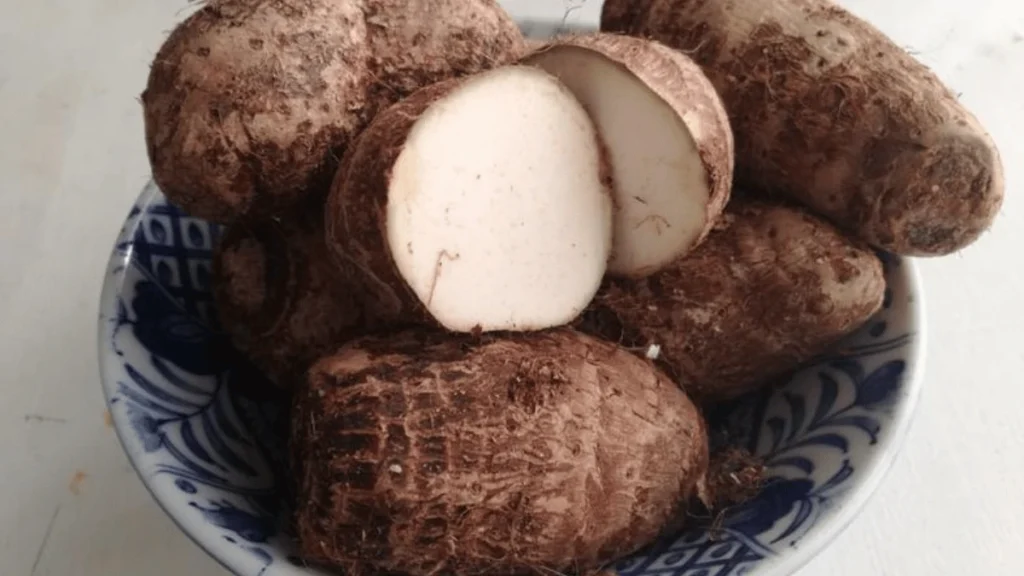
This simple root vegetable is high in resistant starch, especially RS3. This type forms when starchy foods are cooked and then cooled.
This resistant starch passes through your small intestine undigested. Then it reaches your colon, where it feeds your good bacteria.
These bacteria break down resistant starch and create short-chain fatty acids. Butyrate is one of these acids and is the primary fuel for colonocytes, the cells that line your colon.
Gut Health Researchers and Interest in Amadumbe
Recent research has shown that butyrate does much more than feed colon cells.
It has potent anti-inflammatory effects in the body. It helps regulate the immune system and maintains a strong gut barrier, preventing “leaky gut.” It can also influence gene expression, which may protect against cancer.
Some studies show that butyrate production in the gut may affect appetite and metabolic health. Eating amadumbe often helps grow good bacteria in your digestive system!
Nutritionally, amadumbe holds its own against more popular root vegetables. Amadumbe has fibre levels similar to those of sweet potatoes, but its mineral composition differs. It contains a significant amount of potassium and magnesium.
Both are key to heart health and muscle function. Magnesium is important. Many people lack this essential mineral. It helps with over 300 enzymatic reactions in the body!
Traditional Zulu Preparation Methods: Boiling, Roasting, and Mashing Techniques
I love how traditional Zulu methods make amadumbe tasty and maximise its benefits.
The most common method is to boil the peeled roots until they’re tender. You can serve them whole or mashed. Some families roast amadumbe over fire coals. This gives it a smoky flavour and a creamy texture.
Cook amadumbe well. Raw taro has calcium oxalate crystals that can irritate your mouth and throat. Cooking eliminates these compounds.
Amadumbe has mucilage compounds. Researchers are exploring how these may help digestive health. These slimy, gel-like substances may not seem tasty, but they are great for your digestive tract. They can soothe irritation and help protect the gut lining.
Traditional healers have used amadumbe for digestive issues for ages. Now, modern research is beginning to support this. The mucilage acts as a demulcent, coating and protecting inflamed tissues.
When cooking amadumbe at home, be careful. The raw tubers can irritate your skin. This is due to the presence of calcium oxalate crystals. Wear gloves when peeling if you have sensitive skin.
Peel the amadumbe, then cut it into chunks. Boil the chunks in salted water for about 30 to 40 minutes until they are fork-tender. The texture is creamier and denser than that of a potato. It has a subtle, slightly nutty flavour. This pairs well with spicy or savoury dishes.
I enjoy mashing cooked amadumbe. I add some plant-based milk and nutritional yeast. This makes a creamy and nutrient-rich side dish. You can also cube and roast it with herbs and a small amount of oil for a crispy exterior and fluffy interior.
Some creative cooks make amadumbe flour by drying and grinding cooked roots. This flour is gluten-free. It adds great texture to baked goods and boosts their prebiotic fibre content.
Isijingi (Pumpkin Leaves) and Wild Greens – Micronutrient Goldmines
One Zulu food category that impresses me is the traditional use of wild greens.
Isijingi (pumpkin leaves) and wild foraged greens are rich in micronutrients. They often outshine most cultivated salad greens. When you compare these traditional African leafy vegetables to iceberg lettuce, it’s not close! The nutrient density of the African greens is far superior.
Nutrient Density of Traditional African Leafy Greens
Let’s dive into the extraordinary nutrient density of these greens.
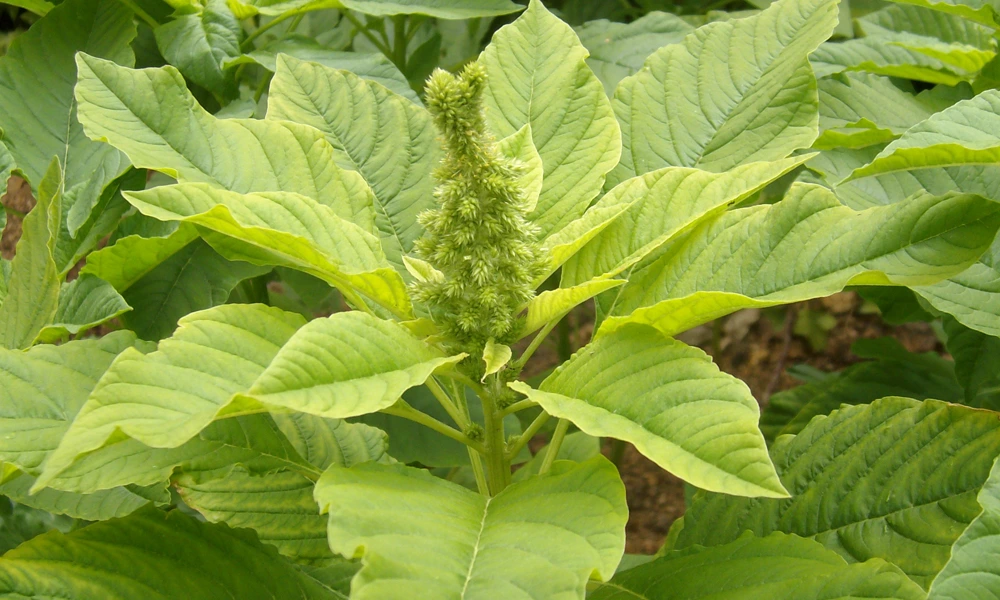
African leafy vegetables, such as pumpkin leaves, morogo (wild spinach), and amaranth, are richer in vitamins A, C, and K than regular greens.
Some varieties provide over 100% of your daily vitamin A needs in just one cooked cup! Vitamin A is crucial for several reasons. It helps keep your immune system strong. It also supports vision and promotes healthy skin. Plus, it plays a role in reproductive health.
The greens contain beta-carotene, a form of vitamin A. Your body changes it to active vitamin A when needed. You can’t overdose on beta-carotene, unlike preformed vitamin A from animal sources.
Scientific studies on the chlorophyll content
These deep green leaves have a remarkable chlorophyll content. Researchers study chlorophyll for its possible health benefits.
Research suggests that chlorophyll can support the body’s detoxification process. It binds to toxins and heavy metals, then helps remove them.
Some studies indicate that chlorophyll can reduce oxidative damage to cells. It also has antimicrobial properties.
The Zulu tradition of eating dark, leafy greens daily gives a consistent intake of these protective compounds.
Traditional Zulu Methods for Preparing Wild Greens
Traditional preparation methods are key. They help preserve heat-sensitive vitamins and make other nutrients more easily absorbed.
Many Zulu cooks have a quick way to prepare greens. They wash the greens thoroughly, chop them, and then steam or sauté them briefly. They use only a bit of water or fat.
This gentle cooking method helps keep vitamin C and breaks down cell walls. This releases more nutrients. Some nutrients, like beta-carotene, are easier to absorb from cooked greens than from raw ones. Eating them with a bit of fat helps too.
Liver Function and Metabolic Health
Many wild greens have bitter compounds.
These compounds add to their healing benefits! These phytonutrients, including alkaloids and phenolic compounds, stimulate the production of digestive secretions. They also improve liver function.
Traditional medicine has always valued bitter foods. They are suitable for digestion and liver health. Modern research now backs up these benefits. Bitter compounds can spark bile, digestive enzymes, and stomach acid production.
These are key to absorbing nutrients effectively. They may also support the liver’s detoxification pathways by upregulating certain enzymes.
Foraging Ethics and Sustainable Harvesting Practices for Modern Gatherers
If you want to forage wild greens, first learn how to identify them. Also, make sure to harvest them sustainably. Only take up to one-third of any plant population. Also, forage in areas without pesticides, heavy metals, or other contaminants.
If you’re new to foraging, it’s best to go with an experienced guide. You can also buy African leafy vegetables from speciality markets or online.
Many of these greens are easy to grow at home. Amaranth, especially, is very vigorous. It produces a large number of edible leaves throughout the entire season.
Pumpkin leaves are easy to find. Many gardeners grow pumpkins already.
Harvest the leaves and tender shoots instead of discarding them. This helps produce more fruit. Young pumpkin leaves are soft and mild. Older leaves taste stronger.
To prepare them, strip the leaves from tough stems, wash well, and chop roughly. Sauté onions and tomatoes for a simple, classic dish. You can also add them to soups and stews during the last few minutes of cooking.
Fermented Porridges: Isidudu and Mahewu – Ancient Probiotics
Now, let’s delve into the most thrilling aspect of traditional Zulu cuisine: fermented porridges!
Isidudu and mahewu are ancient foods. They preserve and enhance nutrition. This method fits well with gut health research in 2025.
The Fermentation Process that Transforms Maize into a Probiotic-Rich Superfood
Fermented maize foods are traditional probiotics. They have nourished Southern African communities for generations.
The fermentation process turns regular maize into probiotic-rich superfoods. This transformation is fascinating from a microbiological viewpoint.
When you mix maize meal with water, it ferments at room temperature. This allows natural bacteria, primarily lactic acid bacteria, to grow. They then break down the starches and sugars in the grain.
This process makes lactic acid. It gives the porridge its tangy flavour. It also creates an acidic environment that stops harmful bacteria from growing. It’s natural food preservation that simultaneously enhances nutritional value!
Researchers feel excited about traditional fermentation. It boosts B-vitamin content.
Lactic acid bacteria make some B vitamins during fermentation. They produce folate, riboflavin, and vitamin B12. However, the debate over plant-based B12 suggests that it shouldn’t be the primary source. This means fermented porridge is nutritionally superior to unfermented maize meal.
Communities that ate these fermented foods often got micronutrient benefits. We’re just starting to measure and understand these advantages.
The Power of Mineral Absorption
The improvement in mineral absorption is another significant benefit of fermentation.
Grains have phytic acid. This acid binds to minerals like iron, zinc, and calcium. As a result, these minerals are harder for the body to absorb.
During fermentation, enzymes break down phytic acid. This process frees minerals and makes them easier to absorb.
Fermented grain products can have 50-70% less phytic acid than unfermented ones. This is huge for people relying on plant-based diets for their mineral needs!
Recent studies have highlighted the beneficial bacteria in naturally fermented Zulu porridges.
Researchers have found different Lactobacillus species in traditional fermented foods. These include L. plantarum, L. fermentum, and more.
These bacteria closely resemble those in commercial probiotics. However, they are adapted to the local environment and food matrix. Research shows that bacteria in fermented foods may be more stable and effective than those in probiotic supplements. This is likely because they come with their food source and protective compounds.
Fermented Foods and Immune System Regulation
Fermented foods play a crucial role in maintaining immune system health. Current research shows their importance.
Let’s explore why they matter.
Around 70% of your immune system is in your gut. The bacteria there help train and regulate immune responses. Beneficial bacteria from fermented foods help maintain a balanced gut microbiome. They support the gut barrier and produce compounds that talk to immune cells.
Eating fermented foods can often lower inflammation. They also enhance infection resistance and improve mood and cognitive function. This happens because they connect the gut and brain!
Making real fermented porridge at home is a straightforward process.
However, it takes some patience.
To make mahewu (a fermented drink), mix maize meal with water to form a thin porridge. Cook it briefly, then let it cool to room temperature.
Once it cools to room temperature, add a bit of fermented mahewu or let it ferment naturally. Cover loosely and leave at room temperature for 24-48 hours, stirring occasionally. You’ll know it’s ready when it develops a pleasant, tangy taste and slightly thick texture.
Some people like to add natural sweeteners or fresh fruit. However, traditional mahewu is usually enjoyed plain or with just a little sweetness.
Isidudu is thicker—more like a porridge than a drink.
The process is similar: mix maize meal with water, let it ferment, then cook gently. The fermentation step is crucial and happens before the final cooking. This produces a sour porridge that’s incredibly satisfying and digestible.
The tangy flavour can be surprising if you’re not used to fermented foods. But trust me, it grows on you! Start with small amounts and gradually increase as your palate adapts.
Uphuthu (Crumbly Maize Meal) with Vegetable Relishes
Uphuthu is a simple dish that shows the beauty of traditional Zulu cooking!
This crumbly, steamed maize meal may seem plain. When made from whole-grain maize and served with colourful vegetable relishes, it becomes a nutritious dish. It keeps you full for hours.
The Low-Glycemic Advantage of Properly Prepared Whole Grain Maize
Nutritionists should emphasise the low-glycemic benefits of well-prepared whole-grain maize more in discussions about healthy carbohydrates.
Minimally processed maize, made traditionally, has a lower impact on blood sugar levels than refined grains and some whole wheat products.
The fibre, protein, and fat in whole maize kernels slow digestion and glucose absorption. This helps prevent blood sugar spikes and crashes, which can lead to metabolic issues over time.
What makes uphuthu particularly interesting from a metabolic perspective is its physical structure.
Uphuthu is different from smooth porridges. In porridges, starch is fully gelatinised and easy to digest. But uphuthu has a crumbly texture. This means some starch stays in a resistant form.
Eating uphuthu at room temperature boosts resistant starch formation. This cooling effect complements the food well. This feeds your gut bacteria and helps regulate post-meal glucose responses!
Traditional vegetable relishes served with uphuthu are where the nutritional magic really happens! Isishebo is a relish made with tomatoes, onions, and greens. They often include wild herbs and vegetables, adding more flavour.
The Importance of Food Pairing for Optimal Nutrient Absorption
The rich phytonutrients in these relishes offer antioxidants, anti-inflammatory compounds, and fibre. They pair perfectly with the uphuthu.
Tomatoes are high in lycopene, a potent antioxidant. Cooking them helps your body absorb more lycopene, especially when you eat them with a small amount of fat.
Nutritional synergy shines in the classic combo of uphuthu and vegetable relishes.
Combining the starchy base with nutrient-rich vegetables helps your body absorb nutrients better. Dietary fat is needed for the absorption of fat-soluble vitamins (A, D, E, and K). That’s why traditional relishes often include groundnuts, sesame seeds, or a small amount of oil.
The vitamin C from tomatoes and greens enhances iron absorption from the maize. The fibre from uphuthu and relishes helps with digestion and keeps blood sugar steady.
Modern Recipe Adaptations
Heirloom maize varieties are gaining popularity with health-conscious cooks in 2025. Modern recipes using these grains are gaining popularity.
Heirloom varieties often pack more nutrition than modern hybrids. They have higher levels of certain minerals, antioxidants, and protein.
Some heirloom varieties have different starch compositions. This may make them easier to digest for some people. There’s something genuinely satisfying about using varieties that have fed communities for generations!
Preparing the Recipe
To make traditional uphuthu, boil water in a pot. Add salt, then slowly sprinkle in maize meal. Stir constantly to avoid lumps. Once you mix in all the ingredients, lower the heat. Cover it and let it steam for 20-30 minutes.
The key is not to stir too much. You want a crumbly texture, not a smooth one. When it’s done, the uphuthu should break apart into light, fluffy crumbs.
To make a tasty vegetable relish, sauté the onions until they are soft. Then, add the chopped tomatoes and cook until they have broken down and become tender.
Next, stir in your favourite greens, like spinach, morogo, or amaranth leaves. Season with salt, pepper, and perhaps some chilli if you like a bit of heat.
Cook until the greens are wilted and tender. Some cooks add ground peanuts or peanut butter for creaminess and healthy fats. Serve the uphuthu in a bowl. Place the relish on top or on the side. The warm relish will moisten the uphuthu slightly, creating a tasty mix of textures and flavours.
Wild Mushrooms and Indigenous Fungi in Zulu Cuisine
Wild mushrooms in Zulu cuisine create an exciting link between food and medicine!
Indigenous communities have harvested wild fungi for centuries. They value them not only for their unique flavours but also for their healing properties.
Modern mycological research is confirming many traditional uses. It is also finding new benefits of these remarkable organisms.
The Medicinal Properties of Wild Mushrooms
Researchers are now paying close attention to the medicinal properties of wild mushrooms. Zulu communities traditionally harvest these mushrooms. They are being studied for their potential in immune support and disease prevention.
Beta-glucans and Immune-Modulating Compounds
Many edible mushrooms have beta-glucans. These are complex polysaccharides. They are known for their immune-modulating effects and have been extensively studied.
These compounds can enhance the activity of natural killer cells, macrophages, and other immune components. This may improve resistance to infections and cancer.
Beta-glucans don’t overstimulate the immune system. Instead, they balance and optimise immune responses.
Beta-glucans aren’t the only therapeutic compounds in mushrooms!
Many species have ergothioneine. This unique amino acid is a potent antioxidant. It accumulates in tissues that are exposed to high oxidative stress, such as the brain and liver.
Some researchers think ergothioneine could be a “longevity vitamin.” It doesn’t cause deficiency diseases. However, not getting enough can speed up ageing and lead to chronic diseases.
Mushrooms are one of the richest dietary sources of this compound.
Safe foraging practices and identification tips for common edible varieties h3
Safe foraging practices are absolutely critical when it comes to wild mushrooms.
Only eat mushrooms if you are 100% sure of what they are. Some poisonous varieties resemble safe ones. Mistakes can be serious or even deadly.
If you want to forage for wild mushrooms, learn from experienced foragers. Use several field guides with clear pictures. Start with safe, easy-to-identify species that don’t have toxic look-alikes.
In Zulu areas, people often gather puffballs, oyster mushrooms, and termite mushrooms. But be sure to check with local experts first.
Traditional Cooking Methods That Preserve the Therapeutic Compounds in Mushrooms
Traditional cooking methods for mushrooms often involve thorough heating, which serves multiple purposes. Cooking breaks down the rigid cell walls of mushrooms, making nutrients more accessible.
It also deactivates heat-sensitive toxins found in some edible species. For example, cooking reduces agaritine in common button mushrooms. Many bioactive compounds in mushrooms are actually better absorbed after cooking.
Simmering mushrooms in stews or grilling them over coals makes them safer to eat. It also boosts their nutritional value.
Did you know this?
Mushrooms and Vitamin D
Mushrooms are a special source of vitamin D! When they get sunlight or UV light, they change ergosterol into vitamin D2 (ergocalciferol).
D2 isn’t as potent as D3 from animal sources or made in our skin. But it still helps with vitamin D levels and can prevent deficiency. This is particularly important for individuals following a plant-based diet. They may struggle to obtain enough vitamin D, especially in areas with limited sunlight.
Mushrooms have a rich, umami flavour that tastes savoury and meaty. This comes from natural glutamates and nucleotides.
Mushrooms are very valuable in vegan cooking. They add depth and satisfaction to dishes.
Zulu cooks knew how to enhance vegetable stews and porridges with wild mushrooms. Umami-rich foods can make you feel full and satisfied. This might help control your appetite.
If you’re unsure about foraging for wild mushrooms, that’s okay. It takes a lot of skill.
You can still enjoy the benefits of mushroom nutrition by using cultivated types. Try oyster mushrooms, shiitake, or common button mushrooms.
To increase their vitamin D, put them gill-side up in direct sunlight for 30 to 60 minutes before cooking.
This simple step can significantly increase their vitamin D content. Add mushrooms to your uphuthu relish. You can also simmer them in bean stews. Grill them as a side dish with other traditional Zulu foods.
Morogo (Wild Spinach) Dishes – Calcium and Iron Without Dairy
Morogo is genuinely one of the nutritional superstars of traditional Zulu cuisine!
This term encompasses various wild leafy greens, particularly African spinach species. People have foraged and grown these greens for many generations.
Morogo stands out for its high nutritional density. It is rich in calcium and iron—key minerals that many people overlook when they reduce their intake of dairy and meat.
Why Morogo Varieties Contain More Bioavailable Calcium Than Many Cultivated Greens
Let’s address the calcium question head-on, because this is where morogo really shines! Many types of morogo have more bioavailable calcium than farmed greens. In fact, it often contains much more than most people know.
Some amaranth species used as morogo provide over 300 mg of calcium per cooked cup. That’s comparable to a glass of cow’s milk! The bioavailability of these greens is impressive. Your body takes in many nutrients from them, especially vitamin K. This vitamin helps your bones absorb and use calcium.
The iron content of morogo is equally impressive, with some varieties providing 3-5 mg of iron per cooked serving.
Plant-based iron (non-heme iron) requires some strategic nutrition choices to enhance absorption. This shows a great example of traditional wisdom. Traditional Zulu cooking often incorporates vitamin C-rich foods, such as tomatoes, wild fruits, and herbs. These ingredients help boost non-heme iron absorption. Vitamin C can increase iron absorption from plant foods by up to 300%!
Eating morogo with tomatoes or vitamin C-rich foods shows the wisdom of our ancestors. Modern science supports this choice.
The way Zulu people prepare morogo with peanut or groundnut paste is excellent due to its high nutritional value.
Here’s why: First, healthy fats in peanuts help absorb fat-soluble vitamins. These include vitamin A and K, which are rich in morogo.
Peanuts add protein that complements the amino acids in greens. This combination creates a more complete nutritional package.
The creamy texture and rich flavour make the dish very satisfying. This helps people stick to a healthy eating pattern. This isn’t just about nutrients on paper—it’s about creating food that people actually want to eat!
Reducing Oxalates in Morogo
Research suggests that oxalates can be reduced through proper cooking methods. Here are some tips:
- Boiling: Boil foods like spinach and then discard the water.
- Soaking: Soak beans and grains before cooking to enhance their flavour and texture.
- Steaming: Opt for steaming vegetables instead of frying or roasting.
- Fermenting: Fermenting foods can also lower oxalate levels.
These methods help make foods safer and more nutritious.
Let’s talk about oxalates. This is especially important for individuals who consume a high amount of leafy greens.
Oxalates are natural compounds found in many plants. They can bind to calcium and other minerals. This binding may lower mineral absorption. In some people, it can also lead to kidney stones.
Morogo, like spinach and other leafy greens, does contain oxalates.
However, traditional cooking methods significantly reduce oxalate content! Boiling greens in water can cut oxalate levels by 30-90%. This depends on the type of green and the length of time you cook them. Discard the cooking liquid for the best results.
Many Zulu cooks use this method. They are often boiled briefly and then sautéed. This gives the best texture and ensures safety.
Research on oxalate content in African leafy vegetables shows significant differences among species. Some amaranth varieties have relatively low oxalate levels, while others have higher levels.
Most people with healthy kidneys don’t need to worry about dietary oxalates from whole foods. This is particularly true when you prepare these foods properly and incorporate them into a balanced diet that includes sufficient calcium.
Morogo’s calcium can bind to oxalates in the gut. This reduces oxalate absorption, making calcium and iron more readily available for absorption.
Grow Your Own Morogo
Growing your own morogo is easier than you might think!
Tough plants thrive in a wide range of climates. They actually like warm conditions, which can be hard for other leafy greens. Amaranth species, which are commonly used as morogo, are incredibly vigorous and productive.
You can pick leaves throughout the entire season, and the plants will continue to grow and produce more leaves. They’re also lovely. Some kinds have red or purple leaves, adding beauty to your garden.
You can find seeds easily at speciality companies that sell African or heirloom varieties.
Preparing Morogo
To prepare morogo the traditional way, first wash the leaves well. Wild greens can be sandy or dusty.
Remove any tough stems (though tender stems are edible). Bring a pot of water to a boil, add the greens, and blanch for just 2-3 minutes. Drain well, pressing out excess water.
In a separate pan, sauté the onions in a small amount of oil or water until they are soft. Add the tomatoes and cook until they have broken down and become tender. Then, mix in your blanched greens.
Stir in ground peanuts or peanut butter. Then, season with salt and pepper. Continue cooking for an additional 5-10 minutes.
The result is a creamy, nutrient-rich dish. It tastes excellent with uphuthu or brown rice!
Indigenous Legumes: Jugo Beans and Bambara Groundnuts
Indigenous African legumes are often overlooked as a key source of nutrition in today’s diets.
Farmers have grown Jugo beans and bambara groundnuts in Southern Africa for centuries. They offer communities high-quality protein, fibre, and essential nutrients.
In 2025, food security researchers and nutritionists are recognising the importance of these heritage crops. They see their tremendous value.
African Heritage Legumes with High Protein Quality and Essential Amino Acid Profiles
African heritage legumes have excellent protein quality. They often match or even surpass that of popular legumes like chickpeas and lentils.
Bambara groundnuts have an excellent amino acid profile. It’s more complete than many other plant proteins.
They are rich in lysine, an essential amino acid. This amino acid is often low in grain-based diets.
Combining bambara groundnuts with maize or other grains creates a complete protein. This mix offers all the essential amino acids you need in the right amounts. This is precisely what traditional African cuisines have been doing for generations!
Jugo beans, known as cowpeas or black-eyed peas, are nutritional powerhouses. They’re excellent sources of folate, iron, magnesium, and potassium.
One cup of cooked jicama beans provides approximately 15 grams of protein and 11 grams of fibre. That’s almost half of what you need for the day!
These beans are great because they combine protein and fibre. This mix makes them very filling and helps regulate blood sugar levels.
Eating legumes regularly can help regulate blood sugar levels, reduce the risk of heart disease, and aid in better weight management.
These drought-resistant crops offer nutritional benefits. They also help the environment in ways that water-intensive crops can’t.
Bambara groundnuts, for example, are incredibly resilient to drought and poor soil conditions. They can thrive in tough soils where other crops struggle. This makes them vital for food security as the climate continues to change.
They fix nitrogen in the soil, like other legumes. This improves soil fertility for future crops. Choosing indigenous legumes supports your health and helps the environment!
Traditional Soaking and Sprouting Techniques
Zulu cooks have used traditional soaking and sprouting techniques for generations. These methods provide significant nutritional benefits that science now clearly understands.
Soaking legumes before cooking helps them start germination. This process activates enzymes that break down anti-nutrients. These include phytic acid, lectins, and oligosaccharides, which can cause gas. This helps with digestion and boosts mineral absorption in legumes.
Some research suggests that sprouting can increase the levels of specific vitamins. This includes vitamin C and some B vitamins.
Soaking overnight, draining, and cooking in fresh water is a great way to boost nutrition and reduce digestive discomfort.
The Prebiotic Fibre in Legumes and Their Role in Supporting a Healthy Gut Lining
The prebiotic fibre in legumes is an integral part of their nutrition. It’s gaining the attention it deserves.
Legumes have both soluble and insoluble fibre.
Soluble fibre, such as resistant starch and some oligosaccharides, helps feed the beneficial bacteria in our gut.
When your gut bacteria ferment fibre, they create short-chain fatty acids. These acids nourish your colon cells, reduce inflammation, and promote overall health. Indigenous legumes have different types of fibre. This variety supports a diverse gut microbiome, which is crucial for maintaining good health.
Recipes to Try
Try these creative recipes to bring underused legumes back into our meals.
Bambara groundnuts can be eaten fresh, just like edamame. You can also dry them and use them in stews and soups, similar to other beans.
They have a nutty, slightly sweet flavour. It works great in both savoury and sweet dishes.
Make bambara groundnut flour by drying and grinding cooked nuts. This gluten-free flour adds protein and nutrients to your baked goods!
Jugo beans are very versatile. You can add them to grain dishes, such as umngqusho. They also pair well with hearty stews featuring vegetables and spices.
Creating Your Own Zulu-Inspired Vegan Meal Plan
Building a Zulu-inspired meal plan is easier than you might think!
The key is to structure your day around three main elements:
- A grain or starchy base
- Protein-rich legumes
- Lots of vegetables, especially leafy greens
I love to start my day with isidudu, or fermented porridge. It gives me probiotics and lasting energy.
For lunch, try umngqusho with a side of morogo or steamed greens. Dinner could include uphuthu served with a tasty vegetable relish and maybe some roasted amadumbe.
Combining foods strategically ensures complete nutrition. Pair grains with legumes at least once daily for complete proteins.
Combine iron-rich greens with foods high in vitamin C, such as tomatoes, citrus fruits, and wild berries. This helps boost absorption.
Small amounts of healthy fats like ground nuts, seeds, or plant oils. These fats help your body absorb fat-soluble vitamins from vegetables.
Seasonal eating aligns beautifully with Zulu traditions.
In summer, focus on fresh leafy greens, wild vegetables, and fresh legumes. Winter calls for dried beans, stored grains, and preserved vegetables. This approach supports local agriculture and optimal nutrition!
Batch cook staples like umngqusho and uphuthu on weekends. Then, prepare fresh vegetable relishes each day. Ferment porridges in larger quantities and refrigerate for convenience.
Classic methods, such as drying, fermenting, and proper storage, make it easier to maintain a healthy diet.
They also respect the wisdom of our ancestors.
Conclusion
What I love most about Zulu vegan recipes is that they show us plant-based eating isn’t just a trend; it’s a way of life. It’s ancient wisdom that our bodies still know and thrive on!
These traditional dishes give us something special: a way of eating that has been shaped over generations. Now, it’s backed by modern nutritional science.
These recipes help you nourish your body. They are rich in anti-inflammatory compounds, probiotics, and phytonutrients.
You’re also tapping into a deep cultural heritage. This culture recognised the healing power of plants long before we had labs to prove it.
Choose one recipe that resonates with you. To improve gut health, try fermented porridge. For a boost in micronutrients, go for the wild greens.
Your path to natural healing with food doesn’t need pricey supplements or complex plans.
Sometimes, the most potent medicine is found in time-tested, plant-based traditins.
So go ahead, get into your kitchen, and let these ancient recipes work their magic on your modern body. Your cells will thank you for it!
