
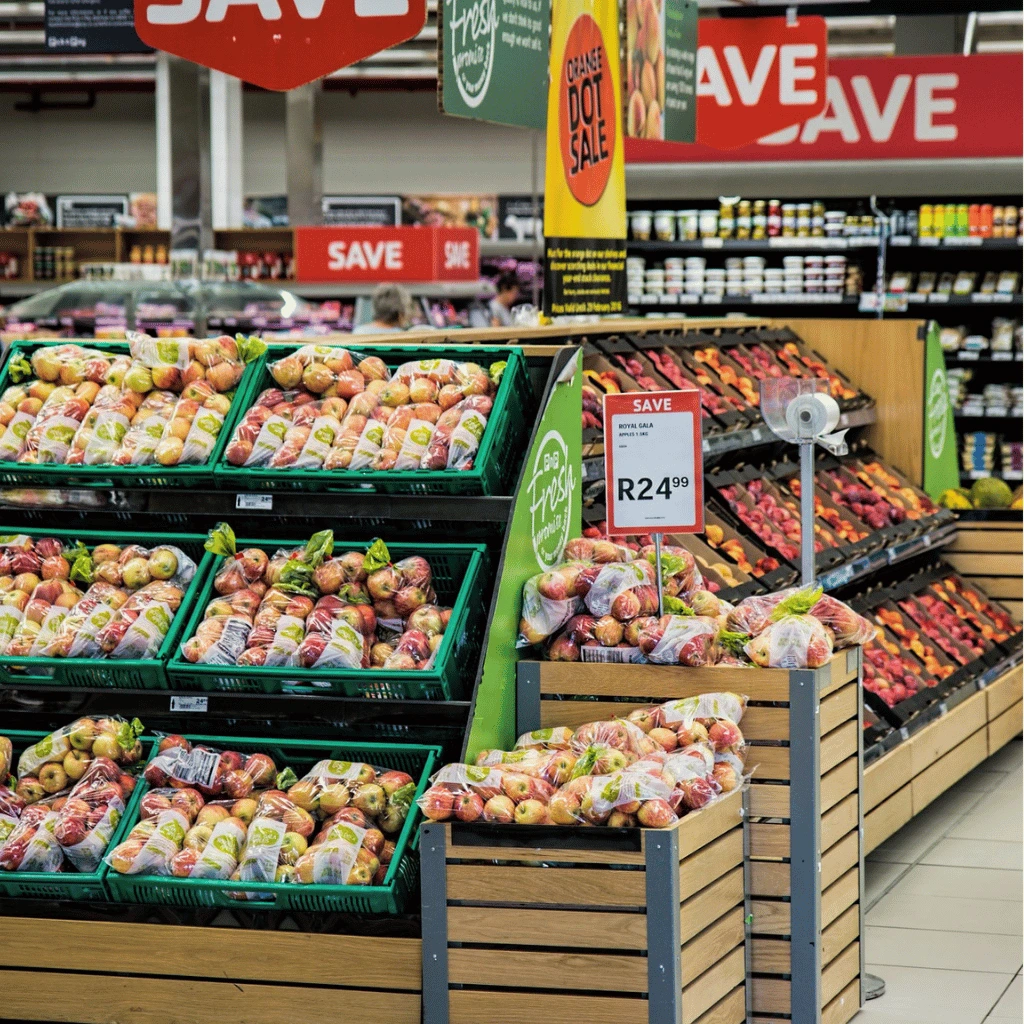
Here’s your guide to seasonal vegan produce in South Africa.
When I first started eating plant-based, the choices overwhelmed me.
There were weeks I’d fill my trolley with imported fruits, only to find them tasteless or expensive. I found joy in seasonal eating. It connects me to local harvests, saves money, and enhances the flavour of every bite.
In South Africa, we enjoy rich soils and varied climates. This helps fruits, vegetables, and legumes grow throughout the year.
Eating seasonally can transform your food experience, whether you’re in coastal Durban, the Highveld, or Cape Town.
In this post, I’ll walk you through:
- Why seasonal vegan produce matters?
- What’s in season across South Africa, month by month?
- How to shop locally and sustainably?
- Simple ways to plan meals around seasonal ingredients.
- FAQs about local plant-based eating.
Why Seasonal Eating Matters for Vegans in South Africa
Eating in tune with nature is more than just nutrition; it’s a way of life. It’s a lifestyle focused on mindfulness, sustainability, and a bond with the land.
Here’s what I’ve learned:
1. Better Flavour and Nutrition
Fresher and higher in nutrients, in-season fruits and vegetables are the best choice for your diet.
Imported or off-season produce is usually picked early. It’s then refrigerated and shipped a long distance. This process causes it to lose taste and vitamins.
A fresh summer tomato from your local market tastes much better than a winter greenhouse tomato.
Your body can tell the difference.
2. Affordability
Seasonal produce costs less because it’s abundant.
When pumpkin season hits, you’ll see them everywhere. They cost half as much as imported butternut.
Eating seasonally can lower your grocery bill. It also helps you meal-prep more effectively.
3. Environmental Sustainability
Eating locally reduces carbon emissions associated with packaging and transportation.
Supporting small-scale South African farmers boosts local agriculture. It builds food security and fosters community resilience.
4. Cultural Connection
Many traditional South African dishes depend on seasonal ingredients.
Examples include morogo, samp and beans, pap, and pumpkin fritters. Returning to those rhythms helps us reconnect with our roots.
Seasonal Produce by South African Season
South Africa has a mild, temperate climate. Our seasons differ from those in the Northern Hemisphere.
Summer typically spans from June to August, and winter generally lasts from December to February.
Let’s explore what’s fresh and delicious in each season:
Spring (September – November)
Spring brings renewal — the markets come alive with colour, and the air smells like promise.
What’s in season:
- Fruits: Strawberries, pineapples, avocados, pawpaw (papaya), citrus (late season), guavas.
- Vegetables: Baby marrows, beetroot, spinach, broccoli, carrots, green beans, lettuce, radishes.
- Legumes: Green peas, lentils, mung beans.
My go-to spring dishes:
- Rainbow salad with grated beetroot and citrus vinaigrette.
- Spinach and lentil fritters with tahini sauce.
- Fresh fruit smoothie bowl topped with pineapple and papaya.
Nutrition tip: Spring foods are full of antioxidants and fibre. They’re excellent for cleansing and helping your liver after winter.
Summer (December – February)
Summer in South Africa is bright and full of life. It’s an excellent time for refreshing meals.
What’s in season:
- Fruits: Mangoes, watermelon, peaches, plums, grapes, bananas, litchis, figs.
- Vegetables: Tomatoes, cucumbers, bell peppers, corn, eggplant, baby marrows, lettuce, green beans.
- Herbs: Basil, coriander, mint.
Favourite summer meals:
- Mango-avocado salad with lime dressing.
- Grilled corn and tomato salsa tacos.
- Chilled cucumber and mint soup.
Nutrition tip: Summer fruits are full of water and electrolytes. They’re great for staying hydrated and keeping your energy up in the heat.
Autumn (March – May)
Autumn strikes the perfect balance. It’s not too hot or too cold. It’s an excellent time for transitional foods that nourish and ground you.
What’s in season:
- Fruits: Apples, pears, grapes, pineapples, guavas, bananas.
- Vegetables: sweet potatoes, pumpkins, butternut squash, carrots, cabbage, kale, and spinach.
- Legumes: Chickpeas, lentils.
Try these meals:
- Roasted butternut and chickpea curry.
- Apple, Pear, and Cinnamon Oat Bake.
- Warm Kale and Lentil Salad with Tahini Dressing.
Nutrition tip: Enjoy warm, fibre-rich meals. They help your body get ready for cooler months and support digestion.
Winter (June – August)
Winter brings warm stews, soups, and slow-cooked meals. They comfort the body and the immune system.
What’s in season:
- Fruits: Citrus (oranges, naartjies, lemons), apples, pears, guavas.
- Vegetables: Potatoes, cabbage, carrots, cauliflower, turnips, spinach, beetroot, onions, and leeks.
- Legumes: Beans, lentils, split peas.
Comforting winter recipes:
- Brown rice with a hearty vegetable and bean stew.
- Spicy lentil soup with carrots and celery.
- Roasted Root Vegetable Tray Bake with Herbs.
Nutrition tip: Eat vitamin C-rich fruits (like citrus) daily to boost immunity. Combine iron-rich spinach and beans with a squeeze of lemon to enhance absorption.
Source: Veggies and Herbs with Reuben Molale
Where to Buy Seasonal Vegan Produce in South Africa
Here are a few of my favourite places to find fresh, affordable, and sustainable produce:
- Local farmers’ markets – Check out I Heart Market in Durban, Neighbourgoods Market in Joburg, or OZCF Market in Cape Town. Enjoy fresh, seasonal produce!
- Community Supported Agriculture (CSA) – Sign up for a local produce box. Farmers bring fresh, seasonal goods to your door every week.
- You can find Farm stalls and cooperatives in many towns and villages. Weekly markets are common. They offer a great way to support small growers.
- Local produce sections in supermarkets are significant. Look for stores like Woolworths and Checkers Fresh X, which now label seasonal and regional items.
- Grow your own! – Even a small balcony garden can yield spinach, herbs, and tomatoes.
How to Cook Seasonally: My Simple System
When I plan my meals around the seasons, I use a 3-step system:
1. Choose the Base
Pick your main carbohydrate — e.g., brown rice, samp, quinoa, or sweet potato.
2. Add a Seasonal Star
Select one or two fresh vegetables or fruits currently in season. In summer, I might pick tomatoes and peppers. In winter, I go for pumpkin and spinach.
3. Balance with Protein & Flavour
Add legumes, such as chickpeas, lentils, and beans. Then spice it up with local herbs or spices such as cumin, turmeric, garlic, or chilli.
Here’s a quick example:
- Base: Brown rice
- Seasonal star: Butternut & kale
- Protein: Chickpeas
- Flavour: Curry powder, garlic, and coconut milk
Result: A warming autumn curry that’s fresh, local, and nutrient-dense.
The Environmental & Ethical Benefits
Seasonal eating fits well with vegan ethics. It cuts the need for processed imports and boosts sustainable farming.
When we eat what’s grown locally:
- Farmers use fewer artificial preservatives.
- Transportation emissionature’s
- We reconnect with nature’s rhythm instead of forcing it.
It’s a small but mighty act of stewardship — caring for both our planet and our bodies.
Faith Reflections: Living in Rhythm with Creation
For me, seasonal eating is also a spiritual practice.
Scripture reminds us in Ecclesiastes 3:1:
“To everything there is a season, and a time to every purpose under heaven.”
Eating seasonally honours the natural order God created. We rest, reap, and receive at the right time. It teaches patience, gratitude, and trust in divine provision.
Every meal shows God’s abundance and creativity. The bright orange of a mango and the deep green of fresh spinach tell this story.
Practical Tips for Staying Seasonal
- Bookmark a South African produce calendar (like Pick n Pay’s Seasonal What’s Guide)
- Shop weekly, buy what’s abundant. The more it’s in season, the more likely it is to be available.
- Preserve extra produce. Freeze other fruits and veggies when they’re plentiful.
- Join online communities. Local Facebook or WhatsApp groups often share seasonal deals and farm boxes.
- Keep a “seasonal sisn’t list. For example, if spinach isn’t available, substitute it with morogo or beet greens.
FAQs About Seasonal Vegan Eating in South Africa
Is eating seafood more expensive?
Not at all — it’s usually inexpensive, and produce is abundant, eliminating the need for import costs or artificial storage.
Can I still find protein sources throughout the year?
Legumes, such as beans, lentils, and chickpeas, are available throughout the year. You can buy them dry or canned. The key is rotating your vegetables and the items surrounding them.
How do I know what’s in season?
Many South African supermarkets (like Woolworths and Checkers) label seasonal produce. You can also visit the Department of Agriculture’s Seasonal Calendar.
What about frozen vegetables — are they still good?
Yes! To preserve nutrients, frozen vegetables are frequently harvested at their peak. They’re great when fresh produce is out of season.
Can a seasonal eating approach help manage health conditions?
Absolutely. Fresh, in-season foods are less processed. They have more antioxidants. This helps with digestion, controls inflammation, and boosts energy levels.
Conclusion: Eat with the Seasons, Live in Balance
Eating seasonally has formed the way I approach food. It’s simpler, cheaper, tastier — and deeply grounding.
Each plate is a celebration of now. It reminds us that nature gives us what we need, but only when the time is right.
Eating seasonally is important. It boosts your health, supports your community, and protects the planet.
Whether you’re enjoying a fresh summer fruit bowl or a warm winter stew, keep this in mind!
Let’s continue to choose fresh, local, and purposeful — one season at a time.
Relevant External Links & Resources
- Pick n Pay Seasonal Produce Guide – Track what’s fresh in South Africa month-by-month.
- Vegans South Africa – Vegan Society – Discover local vegan initiatives, events, and plant-based advocacy efforts.
- Department of Agriculture, Land Reform and Rural Development (DALRRD) – Official resource for lovers of agricultural dates in SA.
- Food Lover’s Market South Africa – Shop local, fresh produce across the country.
- Healthline: Benefits of Eating Seasonal Produce – Explore global research on why seasonal food is better for health and sustainability.
