Introduction: Understanding the Connection Between Diet and Autoimmune Conditions
Here’s your guide to anti-inflammatory plant-based recipes for Autoimmune Conditions.
Managing an autoimmune condition can be tough. But what if I said you might have a helpful tool right in your kitchen?
I believe in food as medicine. I’ve seen how anti-inflammatory plant-based recipes can genuinely help.
Chronic inflammation affects many of us. It drives our autoimmune conditions and leads to ongoing discomfort and flare-ups.
This article isn’t just a list of ingredients. It’s a guide. It helps you see the strong link between what you eat and how you feel.
We’ll explore how eating basic, healthy foods can enhance your body’s natural healing process and strengthen your immune system.
My goal is to demonstrate that a tasty, anti-inflammatory diet can be a key component of your wellness journey.
Source: Physicians Committee
The Science of Inflammation and Autoimmunity
So, why exactly does diet matter when you have an autoimmune condition?
To answer that, we first need to talk about inflammation.
When you stub your toe, your body sends in an inflammatory response—that’s acute inflammation, and it’s a good thing!
It’s your immune system rushing to the scene to heal. The problem for those of us with autoimmune diseases is chronic inflammation.
This is a low-grade, ongoing state where your body feels like it’s under attack. This can cause your immune system to target healthy tissues mistakenly. That’s what we call autoimmunity.
Crucially, this chronic inflammation is often fueled by our diet, and more specifically, by the composition of our gut microbiome. Think of your gut lining as a highly selective gatekeeper.
When it becomes compromised—often referred to as “leaky gut”—undigested food and toxins can enter the bloodstream.
This triggers a strong immune response.
The gut-immune axis links directly to your overall inflammation levels.
This is where an anti-inflammatory plant-based diet steps in.
Eating whole, plant-based foods provides your body with fibre, antioxidants, and beneficial phytochemicals. These nutrients can help reduce inflammation.
Source: University of California Television (UCTV)
These components lower inflammation markers in the body. They also support a healthy gut microbiome, which helps regulate your immune system. It’s a powerful, two-pronged approach to symptom management.
Core Principles of an Anti-Inflammatory Plant-Based Diet
Switching to an anti-inflammatory diet may feel overwhelming, but the main concepts are relatively simple.
We focus on filling the body with nutrients that reduce inflammation. At the same time, we aim to limit common dietary triggers.
The essence of this approach is plant-based eating centred on whole foods.
Selecting foods that are as close to their natural state as possible is necessary to achieve this.
The incredible power comes from high antioxidant levels. They neutralise harmful free radicals. Fibre is also key. It helps maintain a healthy gut and controls inflammation.
Here’s a snapshot of the inflammation-fighting foods we should be prioritising:
Foods to Include:
Vibrant Vegetables
Stock up on leafy greens, such as spinach and kale. Remember to include cruciferous vegetables, such as cauliflower and broccoli. Also, grab plenty of root vegetables, lovely potatoes.
Healing Fruits
All berries (especially dark ones), cherries, and citrus fruits are rich in antioxidants.
Healthy Fats
Add monounsaturated fats from avocados and olives or olive oil. Also, get important Omega-3s from flaxseeds, chia seeds, and walnuts.
Legumes & Grains: For Anti-Inflammatory Plant-Based Recipes
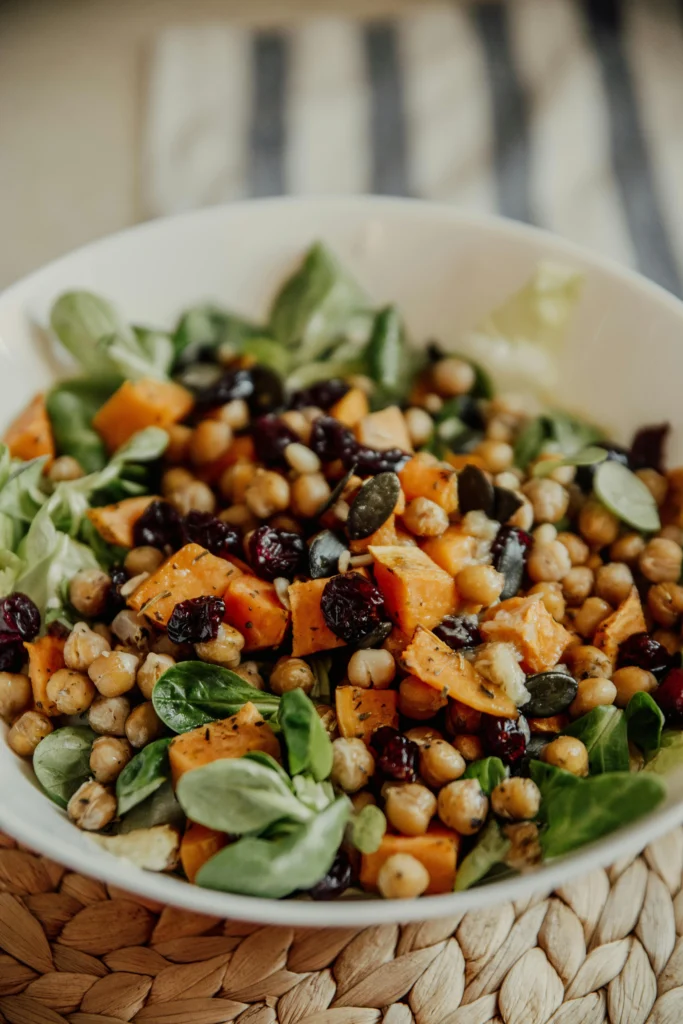
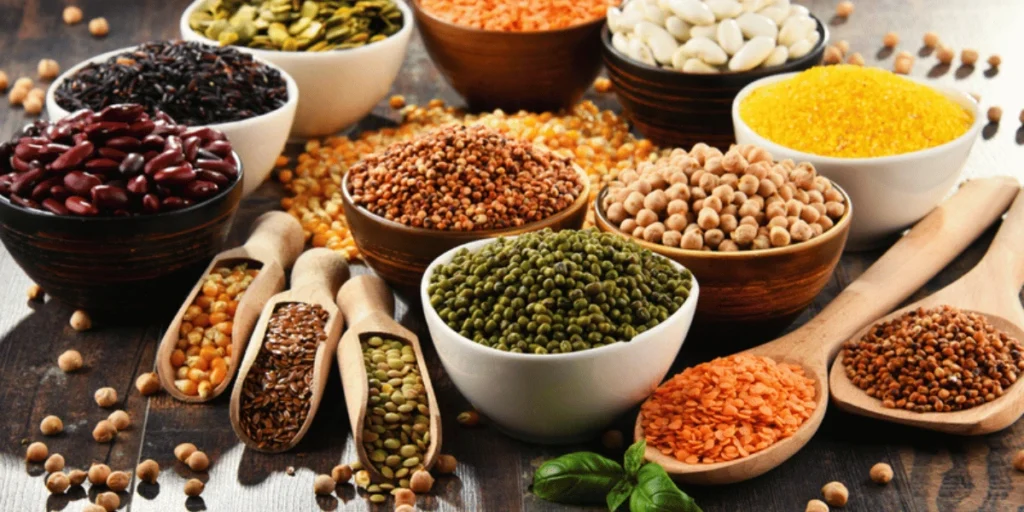
Chickpeas, lentils, and bean packs with fibre and protein. Choose ancient grains like quinoa and oats, if you can tolerate them. Watch out for gluten sensitivity.
Herbs and Spices (The Powerhouses!)
Make turmeric and ginger your best friends! Garlic, cinnamon, and rosemary also have potent anti-inflammatory properties.
Foods to Limit or Avoid:
To truly manage autoimmune conditions, we also need to reduce the inputs that fuel the fire. This includes:
Processed Foods and Refined Sugars
They are pro-inflammatory villains and offer little nutritional value.
Unhealthy Oils
Limit vegetable oils high in Omega-6s (like corn, soy, and sunflower oil).
Dairy and Gluten
Not everyone has to cut these out, but they often trigger inflammation for many. Listen to your body, but initially limiting it can usually lead to significant relief.
For individuals with severe symptoms, the Autoimmune Protocol (AIP) diet is typically the initial step in managing their condition.
However, even a basic whole-food, plant-based diet can significantly boost your gut health.
Practical Anti-Inflammatory Plant-Based Recipes for Every Meal
Now that we understand the ‘why,’ let’s get to the ‘how’—the actual cooking!
These plant-based recipes fight inflammation.
They’re simple, tasty, and packed with nutrients. You can easily add them to your autoimmune diet each day.
Each meal presents an opportunity to combat inflammation actively.
Breakfast: Turmeric-Ginger Smoothie for Inflammation Relief
This isn’t just a smoothie. It’s a substantial anti-inflammatory boost, significant for starting your day right.
- Ingredients:
- 1 cup plant-based milk (almond or coconut)
- A cup of frozen mixed berries (high in antioxidants)
- One banana or 1/2 cup frozen mango (for sweetness)
- One inch of freshly peeled and roughly chopped ginger
- 1 teaspoon ground turmeric (or a 1/2 inch piece of fresh turmeric root)
- 1 tablespoon chia seeds or flaxseeds (Omega-3s)
- Optional: Pinch of black pepper (enhances turmeric absorption)
- Directions: Fill a high-speed blender with all the ingredients and process until smooth.
- Anti-Inflammatory Benefit
- People widely recognise turmeric and ginger for their ability to ease pain and reduce inflammation. The seeds provide essential healthy fats that support brain and joint health.
Lunch: Roasted Sweet Potato & Black Bean Bowl with Avocado Crema
This bowl is rich in fibre and complex carbohydrates. It gives you lasting energy and helps prevent blood sugar spikes. These spikes can cause inflammation. It’s one of my favourite inflammation-fighting meals.
- Ingredients:
- 1 medium sweet potato, cubed
- Half a cup of rinsed and drained black beans
- 1 cup mixed leafy greens (spinach, kale)
- 1/4 red onion, thinly sliced
- For the Crema: 1/2 avocado, the juice of 1/2 lime, one tablespoon of water, a pinch of salt, and cumin.
- Instructions:
- Add salt, cumin, and a drizzle of olive oil to the sweet potato cubes. Roast at 400°F (200°C) for 20 minutes until tender.
- Blend all crema ingredients until smooth and creamy.
- Assemble the bowl with the greens, roasted sweet potatoes, black beans, and red onion. Drizzle generously with the avocado crema.
- Anti-Inflammatory Benefit
- Sweet potatoes and black beans give lasting energy and great fibre, which is key for gut health. Avocados supply healthy, anti-inflammatory monounsaturated fats.
Dinner: Hearty Lentil & Kale Soup with Anti-Inflammatory Spices
A warm, comforting meal that’s easy to digest and full of nutrients. It’s a go-to choice for anti-inflammatory plant-based recipes.
- Ingredients:
- 1 tablespoon olive oil
- 1 onion, chopped; 2 carrots, chopped; 2 celery stalks, chopped
- 3 cloves garlic, minced
- 1 cup brown or green lentils, rinsed
- 4 cups vegetable broth
- Half a teaspoon of smoked paprika and one teaspoon of dried thyme
- 1 bunch kale, stems removed and chopped
- Instructions:
- In a large pot, sauté the onion, carrots, and celery in olive oil until soft. Cook for one minute after adding the paprika, garlic, and thyme.
- Add the veggie broth and rinsed lentils and stir. Reduce the heat and simmer for 30 to 40 minutes after bringing to a boil, or until the lentils are tender.
- In the final five minutes of cooking, stir in the chopped kale. Season with salt and pepper to taste.
- Anti-Inflammatory Benefit
- Lentils offer plant protein and fibre. Antioxidants and Vitamin K pack kale. Aromatic spices enhance the soup’s ability to fight inflammation.
Snack: Anti-Inflammatory “Energy Bites”
A perfect grab-and-go solution to prevent reaching for pro-inflammatory processed snacks.
- Ingredients: Half a cup of nut butter (almond or sunflower seed), one cup of rolled oats, 1/4 cup dates, two tablespoons flaxseeds, and one teaspoon cinnamon.
- Instructions: Add all the ingredients to a food processor and process until a dough forms. Roll into small balls and chill.
- Anti-Inflammatory Benefit
- Flaxseeds and oats provide fibre and healthy fats. They help keep you satisfied and supported all day.
Transitioning to an Anti-Inflammatory Plant-Based Lifestyle
Switching to an autoimmune diet isn’t about being perfect. It’s about being consistent and patient.
Here are some simple strategies to help you embrace a plant-based lifestyle.
First, embrace meal prep. When you’re hungry, deciding what to cook can be tough. You might opt for easy meals that aren’t particularly healthy.
Set aside an hour or two each week.
Roast your veggies, cook grains like quinoa or brown rice, then add your anti-inflammatory dressing. This makes assembling your meals quick and stress-free.
Secondly, don’t try to overhaul everything overnight. I recommend the principle of gradual changes.
Start by replacing just one pro-inflammatory meal a day with a plant-based alternative. Try swapping your dairy milk for a plant-based one. Additionally, consider opting for lentil soup for lunch instead of a sandwich.
Furthermore, always remember the importance of hydration.
Digestion is aided by water and herbal teas, such as peppermint or ginger, and promotes detoxification. These are key to managing chronic inflammation.
Most importantly, you must listen to your body.
The diet for autoimmune conditions is highly personalised. Keep a simple food and symptom journal.
If a healthy food, like tomatoes or peppers, triggers your symptoms, it’s okay to set it aside for a bit.
The goal of this journey is to find out what actually helps you manage your symptoms and eat healthily.
Frequently Asked Questions (FAQ) about Anti-Inflammatory Plant-Based Diets for Autoimmune Conditions (350 words)
Many people have questions when starting an anti-inflammatory diet for autoimmune issues.
Here are the answers to some of the most common ones:
What is the fastest way to reduce inflammation in the body?
You can lower your intake right away through diet, but consider it a long-term plan rather than a short-term solution.
The quickest method uses a holistic approach. This means cutting out primary inflammatory triggers, such as refined sugar and processed oils. Additionally, prioritise getting enough sleep and managing stress effectively.
Eat more foods with anti-inflammatory properties. Include turmeric and ginger each day. Consistency is key to achieving and maintaining sustained symptom relief.
Which foods are off limits when following an anti-inflammatory diet for autoimmune diseases?
We aim to eliminate or significantly reduce processed foods, refined sugar, and highly refined vegetable oils, such as corn, soy, and safflower. Many people find relief by cutting out dairy and gluten. These foods are common triggers. Consult your physician, a licensed dietitian, or a nutritionist for guidance if you have an autoimmune disease. They can help you determine if a stricter elimination diet, such as the AIP, is proper for you.
Is a vegan diet beneficial for individuals with autoimmune conditions?
Yes, a whole-food, plant-based, or vegan diet can be beneficial for autoimmune conditions. It cuts out inflammatory animal products and increases fibre and antioxidants.
It’s important to distinguish between a healthy plant-based diet and a “junk-food” vegan diet. A healthy diet focuses on whole foods, legumes, and vegetables. In contrast, a junk-food vegan diet includes processed meat substitutes and high-sugar items. The quality of the food is what matters most.
Do I need to be completely plant-based to see results?
Absolutely not! Full commitment can bring great results. A “plant-forward” approach, where veggies, fruits, and legumes are the primary focus, offers many benefits. Every step to add more anti-inflammatory, plant-based recipes is a win. It also helps to reduce the consumption of inflammatory foods. This is great for your immune system.
Can supplements help with autoimmune conditions?
Supplements can be helpful. However, they should support your anti-inflammatory diet, not replace it.
Helpful supplements include:
- Vitamin D: Many individuals with autoimmune diseases are deficient in this vitamin.
- Omega-3 fatty acids: Often found in plant-based algae oil.
- Curcumin: The active compound in turmeric.
Talk to your healthcare provider about supplements. This way, you can ensure they won’t interact with any medications you’re taking.
Conclusion: A Path to Symptom Management and Wellness
We’ve covered a lot of ground, but the core message remains simple: your plate holds immense power.
Choosing anti-inflammatory, plant-based recipes enables you to manage your autoimmune conditions actively. You are shifting from fueling chronic inflammation to building a foundation of wellness.
This plant-based lifestyle isn’t just a diet; it’s a promise to nourish your body from within. I
I hope these recipes and ideas guide you. They demonstrate that tasty food and genuine healing can work in tandem. You can reclaim your health and vitality.
