My Journey to Label-Reading Superpower
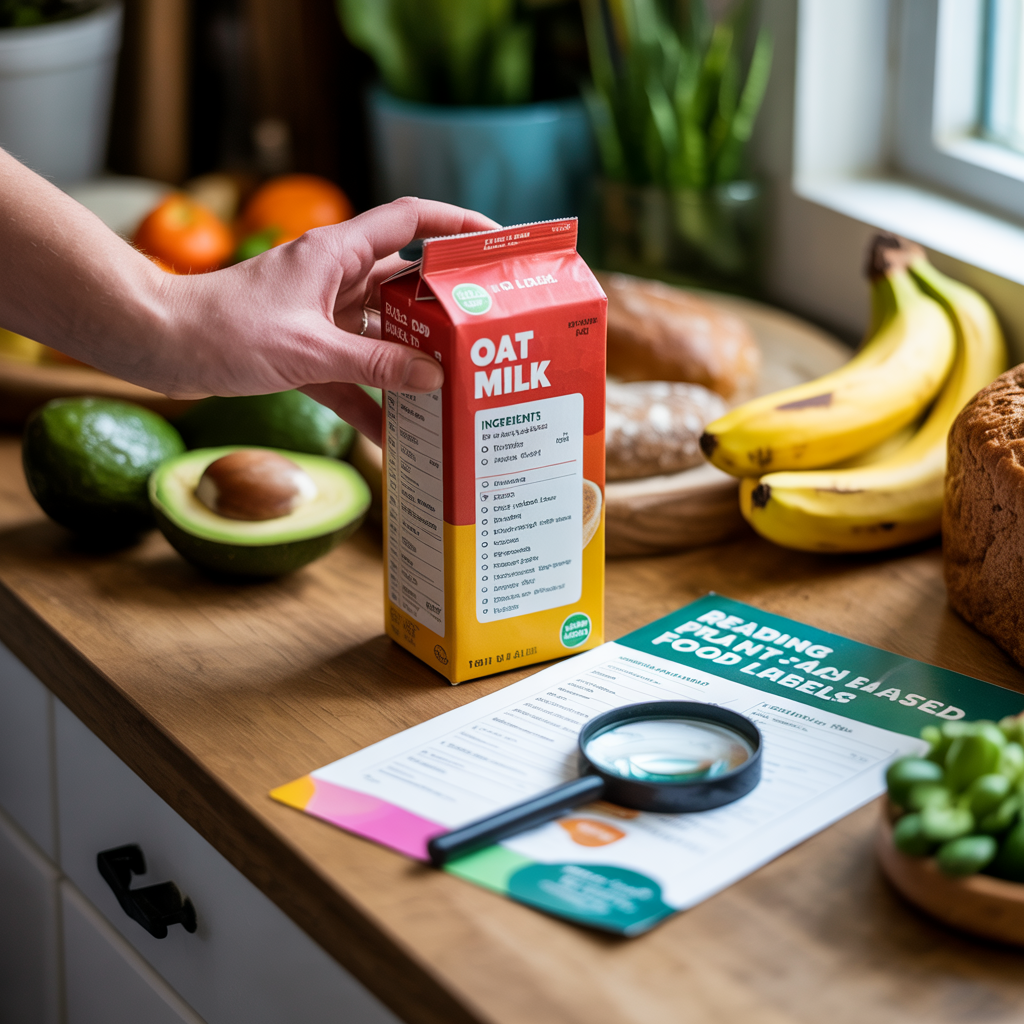
Here’s your guide to reading plant-based food labels.
I recall going grocery shopping for the first time after I decided to adopt a plant-based diet.
I was thrilled to discover what I thought were great plant-friendly products. However, when I got home, I found that I’d bought items containing hidden dairy or eggs.
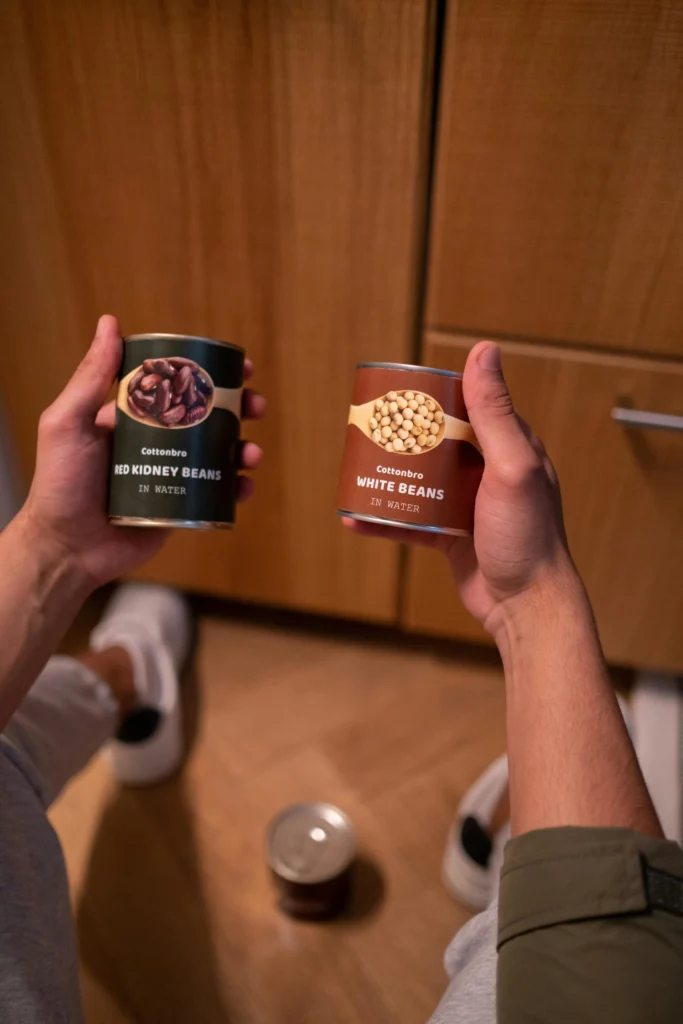
I sat on my kitchen floor, feeling disheartened. I stared at a bag of chips. The tiny print said “milk solids.” I had to laugh at my own naivety. All I needed to do was avoid the meat and cheese aisles.
Oh, how wrong I was.
This experience taught me a valuable lesson. I want to share it with you today.
Choosing a plant-based diet is empowering. However, food labelling can be confusing.
It’s packed with tricky terms, misleading ads, and ingredients that seem safe but aren’t. My goal is to help you transform from a tentative shopper into a confident label-reading pro.
We’ve all been there—feeling overwhelmed and a bit silly while staring at a box of crackers.
Don’t worry! By the end, you’ll know how to navigate any grocery store. You’ll make sure every purchase reflects your values.
The Basics: Starting with the Front of the Package
First things first, let’s start where we all do: the front of the package.
This is often the most deceptive part of the entire shopping process. It’s designed to grab your attention and make you feel good about what you’re buying.
You’ll see big, bold claims like “plant-based,” “natural,” or “vegan-friendly.” While these can be helpful clues, they are far from the final word.
Decoding Plant-Based Food Labelling
Let’s decode these buzzwords.
A product labelled as “vegan” contains no animal products. This includes meat, dairy, eggs, and honey. This is the gold standard for many of us.
However, “vegetarian” is a different story. It means no meat, but it can still contain things like milk, eggs, or honey. If you’re like me, following a strict plant-based diet, you’ll want to look beyond this label.
And then there’s the term “plant-based.” This is a broad term that lacks a legal definition, so it serves as a good starting point but not the final word.
You can apply it to products that are mostly plant-based but contain small amounts of animal products. Sometimes, it’s just a marketing buzzword to attract health trends.
This is where you need to be wary.
Just because something features a picture of a vegetable doesn’t mean it’s vegan. I’ve seen “veggie” chips with cheese powder and snack bars that hide milk chocolate.
Front Page Plant-Based Food Labelling Misinformation
This is why I’ve learned never to trust the information on the front of the package alone.
Instead, I use it as a starting point. If I see a “Certified Vegan” or “Vegan Action” logo, I know I’m in good hands.
These third-party certifications show that the product is free of animal products. They also save me a lot of time and stress.
While the front of the package gives us a good hint, the real work happens when we flip it over.
https://www.pexels.com/@Ron Lach
The Deep Dive: How I Tackle the Ingredients List
Now for the part that used to intimidate me the most: the ingredients list.
It’s a wall of text filled with unfamiliar names and chemical-sounding terms. However, I’d like to share my personal strategy for tackling this. With a bit of practice, you’ll be able to scan it just as quickly as you read a sentence.
My first rule is what I call the “Too Good to Be True” Test.
If the ingredient list is short and familiar—like flour, water, salt, and spices—it’s usually a good sign. It means the product is simple and less likely to have hidden surprises.
If, on the other hand, the list is long and full of scientific terms you can’t pronounce, proceed with caution. It doesn’t mean it’s not plant-based, but it does mean you’ll have to be more diligent in your approach.
Next, I go straight to the allergen alerts.
This is my secret weapon. It’s the most significant shortcut in my label-reading journey.
The allergen statement is a federal requirement in many countries and clearly lists common allergens.
If you see “Contains: Milk, Eggs, Fish” or any other animal product, you immediately know it’s not for you. It saves a ton of time and prevents me from getting into the nitty-gritty of the complete list.
Not all animal products are allergens. For example, bone char, honey, and gelatin are not listed as allergens.
I always check the whole ingredients list, even if the allergen statement seems clear.
This is where I turn into a detective, looking for the common culprits I have on my personal watch list. Let’s break them down:
Dairy Derivatives When Reading Plant-Based Food Labels
These are everywhere. The most common ones are casein and whey, which are proteins from milk. You might be surprised to discover them in places like protein powders, processed foods, and certain bread brands.
Other dairy-related terms include lactose, sodium caseinate, and milk solids. If you drink milk, you may know these from your milk carton. They’re also added to processed foods for better texture and flavour.
I check the ingredient list for sneaky additions, especially in chips and crackers.
Egg-Based Ingredients
These are most often used as binders or emulsifiers in various applications.
Look for terms like albumin or albumen, which are egg whites. Lysozyme is another enzyme to watch out for, as it is found in egg whites.
They are often found in baked goods, dressings, and even some wines and beers that are “fined” with egg. While it may not be an obvious ingredient, it’s there, and it’s important to know what you’re putting into your body.
Sweeteners
While most sugar is suitable for a plant-based diet, some types are not.
Many vegans avoid honey since it is an animal product produced by bees. It’s easy to spot, but other lesser-known sweeteners are a bit trickier.
For instance, carmine is a vibrant red dye made from crushed cochineal insects. It’s often used in red-coloured foods, such as yoghurts, juices, and candies.
Shellac is a glaze derived from the secretions of the lac insect. It’s often used on candies and pastries to give them a shiny look.
Gums & Thickeners
The most well-known culprit here is gelatin.
It’s a gelling agent from animal collagen. This collagen comes from skin, bones, and connective tissues.
You can find it in various products, including Jell-O, marshmallows, gummy candies, and some vitamins.
Watch for L-cysteine. It’s an amino acid that manufacturers can get from human hair or duck feathers.
At times it is used in baked goods as a dough conditioner. It’s often synthetic, but it’s a good idea to be cautious.
But what about the things that aren’t on this list? That’s where I have a secret weapon for reading between the lines.
The Hidden Clues: Reading Between the Lines
Once I’ve checked the ingredients and the allergen warning, I’m still not done.
There are a few more subtle clues I look for that can make all the difference.
“May Contain” Statements
First, there’s the “May Contain” statement. This is different from the “Contains” allergen warning.
The “May Contain” warning tells you about possible cross-contamination. It means the product was made on equipment that also handles animal products.
For example, a bag of plant-based cookies might say, “May contain milk and eggs.” This isn’t an ingredient, but rather a warning for people with severe allergies. For me, as a plant-based eater, this is a personal decision. I don’t have a life-threatening allergy, so I’m often comfortable consuming these products.
However, some people prefer to avoid them entirely, and that is a perfectly valid choice. It’s about understanding the distinction and making the right decision for yourself.
Decoding E-Numbers
Another area that can be a real puzzle is decoding E-Numbers (or additives).
These are codes used in Europe and other regions for food additives. While many are plant-based, some can be animal-derived. It’s like a secret code you have to learn.
For example, E120 (Cochineal), which we talked about earlier as carmine, is derived from insects. E901 (Beeswax) is from bees. E542 (Bone Phosphate) is made from animal bones.
Keep a running list of the ones you see most often. When you spot a new E-number and are unsure, a quick search on your phone can save you a lot of trouble. You don’t need to know all of them by heart, but it’s worth being aware that they exist.
Country-Specific Labelling
Finally, I’ve learned to be aware of country-specific labelling.
Different countries have varying rules regarding what must be disclosed on food labels.
A country might not consider a product labelled “vegan” as vegan in another country.
This occurs due to different regulations regarding certain additives.
When I buy an imported product, I focus closely on the ingredient list. The labelling rules I know may not be the same.
Source: Plant-Based Nutrition Organization (PBNOW)
My Confidence, Your Confidence
Reading food labels for a plant-based diet can feel tough at first. But don’t worry! With practice, it becomes easy and natural.
Learning to ride a bike is wobbly at first. But soon, you’re cruising along without thinking about it.
To recap, here is my simple process:
- Check the front of the package for a Certified Vegan logo. If it’s there, you’re all set.
- Scan the allergen statement for any mention of everyday animal products, such as milk or eggs.
- Perform a quick scan of the ingredients list for my personal watch list of common culprits.
- Be cautious of misleading marketing and hidden additives, such as E-numbers.
I no longer feel lost in the grocery store. I feel empowered, and I want you to feel the same way.
Being able to read a label confidently lets you control what goes into your body. That’s a powerful feeling.
So, next time you’re at the store, pick up a product you’re unsure about and give it a try. Scrutinise the label with new eyes and see what you find.
Here’s to a world of confident, compassionate choices!
